We are committed to taking steps to save little lives and to increase the support available to bereaved parents when they experience the loss of a pregnancy, baby or child.
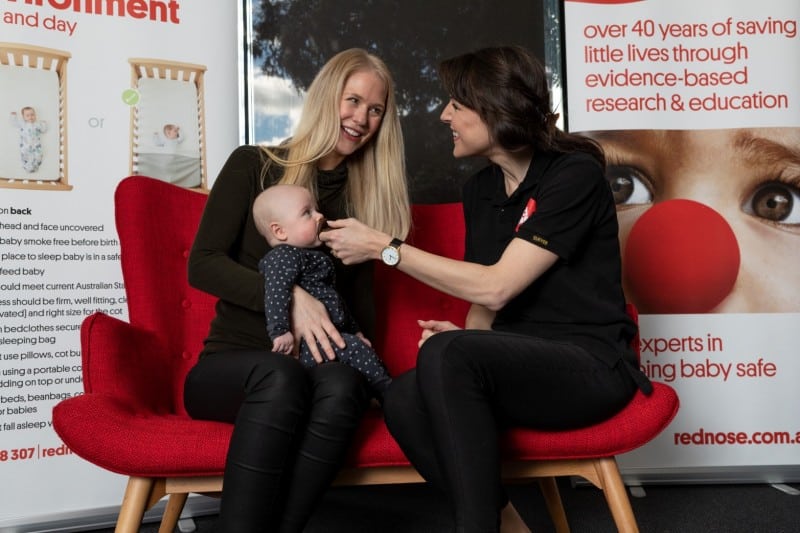
Footprints represents our ongoing commitment to take steps to save little lives. Volunteers across Australia establish and build meaningful connections with birthing hospital and shared care GP in Australia. We aim to have connections with every single one of these across Australia. Our volunteers ensure these professionals have the latest information on safe sleep, safer pregnancy programs and knowledge on where to refer for good bereavement care.
We would be honoured for you to help us take these important steps to save little lives through the Footprints program. Volunteers will choose the amount of time they spend helping out, and even just 10 hours a year can help save little lives and support bereaved families.
To learn more, sign up for one of our upcoming general volunteer information sessions. We will discuss the Footprints program and other volunteering opportunities with us during this session.
There are many dedicated staff, volunteers and supporters who together make the work of Red Nose possible. This is Michelle’s story. “When you give of yourself, from the heart, it’s then that you truly give. You will never know the difference you will make to others.”
Michelle Jewels-Parsons knows first-hand the value of volunteering and its power to help create community. With previously having over 12 years of experience working closely with volunteers in her previous career in the not-for-profit sector, she’s seen the positive impact volunteering can have on people’s lives. Both the volunteer and those they support through their generosity. Michelle now operates her own business as a Funeral Celebrant and End of Life Companion.
Michelle’s niece Brianna, in 2009, sadly lived for only four hours after being born at 26 weeks. Amy, Brianna’s Mum and Michelle’s sister, received vital support from bereavement services, including Red Nose, to help her navigate her heartbreaking loss. Beautiful Brianna was named in honour of her Grandfather, Brian, who passed away suddenly at 52, nearly 20 years ago. A loving legacy for a much-loved father.
Michelle came to volunteer for us through her friends Rachel and Rosie. Rosie is a long-time volunteer of Sands (now part of Red Nose.) She is also mum to Gemma, who sadly also passed as a baby. Rachel, Mum to Chaunte Rose, who was stillborn in 1998, is also one of our Peer Support volunteers. When Rachel suggested to Michelle that she might consider volunteering to MC the Walk to Remember volunteer, she didn’t hesitate.
“It’s a supportive collective. Organisations vital to our community like Red Nose would not be able to provide their essential services without the efforts of kind-hearted volunteers. Many of their volunteers and supporters are bereaved parents or family members themselves.”
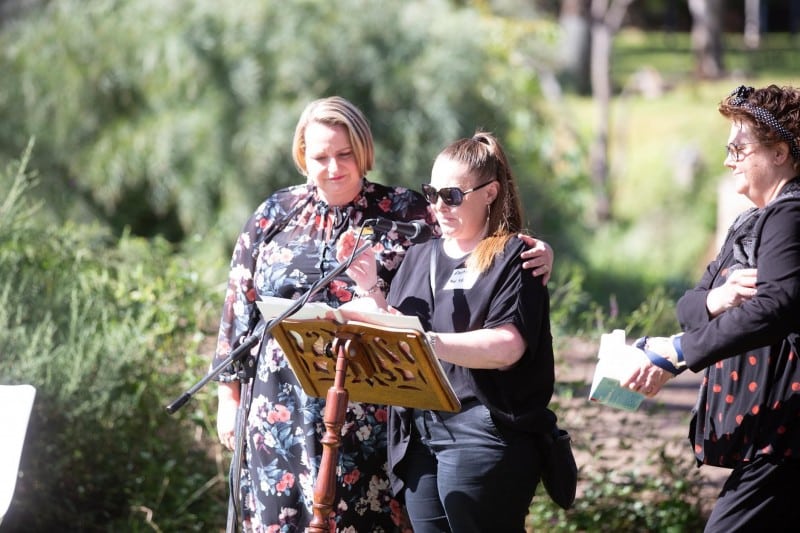
For two years Michelle and her husband Richard have given their time and energy to volunteer at the ‘Walk to Remember’ held in Glen Osmond, South Australia. She is the event’s MC, and Richard is a vital part of the barbecue crew. For Michelle, the most moving part of the walk is when she invites the families of babies and children who have died to come forward and ‘say their name’ and remember them.
As well as volunteering for Red Nose, Michelle also generously donates part of the proceeds from the sales of her book, The Present Box. This beautifully illustrated book was written with her niece and Brianna’s sister Ellie when she was six. It explains death, grief, loss and funerals to children aged 2-11.
“I have a strong ethos of paying it forward. My sister received a lot of support when Brianna died, and I haven’t forgotten. It makes me feel good to contribute.”
We have a range of volunteer opportunities at Red Nose. If you would like to help save little lives and support bereaved families, sigh up now.
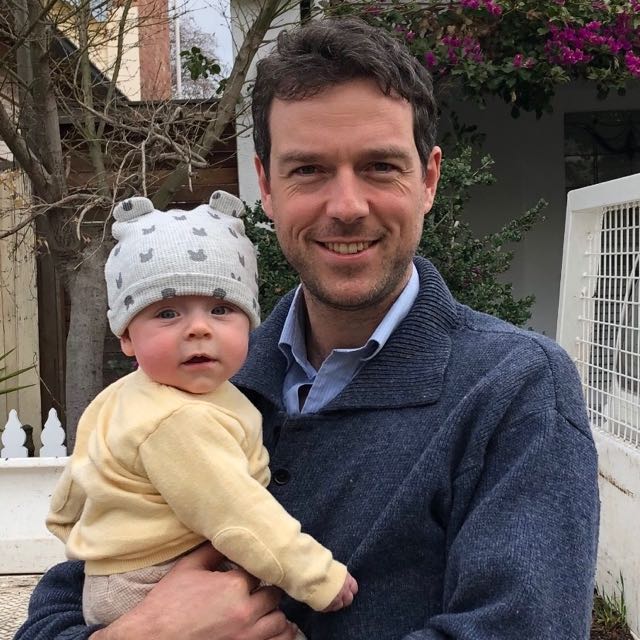
As a new dad, John readily admits that learning how to care for his infant son William has been a steep learning curve.
During our pregnancy, I’d been able to attend some obstetrician appointments so I got to ask general questions about our baby’s development and birth, as well as support my wife Jaclyn with her journey. But because of COVID restrictions, the group birthing classes that would usually be face-to-face were held online. I found these classes very informative and they gave me a great idea of what to expect throughout the birth and during William’s first days.
But before William came along, I still didn’t know much about how to look after a baby. I was eager to develop those practical skills. So as his due date grew closer, Jaclyn and I started having more frequent conversations about our roles as parents, including things like safe sleeping.
In contrast to some of the complicated advice we were given about being parents, I was impressed with the clear and consistent information we received about safe sleeping. After William was born the nurses in the hospital maternity unit explained safe sleep positions for newborn babies, giving Jaclyn and I confidence from day one on how to take the right steps to reduce the risk of SIDS.
Once our baby was born, it was so beneficial to have the nurses at the hospital demonstrate and explain Red Nose’s practical safe sleep advice. To be able to discuss it with the nurse and then learn how to do it with your own baby helped us understand it quickly. In our first week back home with William, the maternal health nurse reinforced this information and gave us a Red Nose safe sleeping brochure, which was a great resource to refer back to.
Red Nose Six Safe Sleep Recommendations
1. Always place baby on their back to sleep
2. Keep baby’s face and head uncovered
3. Keep baby smoke free, before and after birth
4. Safe sleeping environment, night and day
5. Sleep baby in a safe cot in parents or caregivers’ room for the first 6-12 months
There are many dedicated staff, volunteers and supporters who together make the work of Red Nose possible. This is Ines’s story.
After the death of my beautiful baby, Louis, at just eight days old, my husband and I struggled to deal with our grief, as most do.
Nearly fourteen years ago, we sought support via Red Nose (then Sids & Kids.)
We learned so much from the groups, the private counsellors and even grief workshops. Through these services, I made what I am sure will be lifelong friendships with other bereaved parents. We have been gently guided through our grief and given some tools that have helped us to navigate the various stages.
One of the most critical aspects included learning to understand our differing grieving styles and knowing that this will take time, careful observation, communication and a willingness to be vulnerable. Through this support, we learned everyone grieves differently. The support we received made me want to help other families.
I am now one of the many peer supporters at Red Nose (including Sands). It is such an honour to be able to give back. Helping people feel less alone whilst experiencing the devastating loss of a baby or child is one of my favourite parts of my role. I wish no one had to go through what we did, but just being here for others is a wonderful feeling. I learn so much about grief from the incredible team around me each shift.
As a society, we need to continue to be more open about grief. It’s great to see that we are getting more dads calling the helpline to talk about their loss. But there’s still many more that could use the help.
When Louis died, my husband felt so much pressure, rightly or wrongly, to be strong for me, for the family. This still seems to be the case, with many fathers, fourteen years later. After my husband attended various bereavement services, he learned to give himself space and time for his grief. He surfs, as being in the water makes him feel closer to Louis. Losing a baby in pregnancy through miscarriage or stillbirth is still taboo in our society in general, especially for dads. Still, Red Nose (including Sands) are doing a fantastic job to get people talking.
A father’s bond with his baby is important, both for the dad and also his child. But it can be difficult for men to know where to find the advice and tips that they may need during pregnancy and early parenting – so that they can best support themselves, their partner and most importantly their baby.
Developed at the University of Newcastle, SMS4dads is an innovative way to connect fathers with information to help make this challenging time easier to navigate. Red Nose is excited to partner with the SMS4dads team to help promote the service and work with SMS4dads to provide practical support to bereaved fathers.
About SMS4Dads
Beginning from 12 weeks of pregnancy, and through to 6 months after birth, expectant fathers and new fathers can sign up to SMS4dads. Once registered, they will receive three text messages a week to help them make the transition to fatherhood.
Some messages provide tips and encouragement, while others give information about the baby’s developmental milestones. The messaging offers ways for dads to be mindful of their own health and wellbeing while providing practical ways for fathers to support their partner during pregnancy and the early weeks after birth.
Interactive MoodTracker
Interactive MoodTracker texts are interwoven through the messages to give dads a way to check-in and let SMS4dads know how they’re doing. If a dad says he’s not coping, a trained health professional will make contact with him to follow-up.
Associate Professor Richard Fletcher from the University of Newcastle explains ““Dads don’t want to be on the sideline. They want to be involved as much as they can. But they can feel overwhelmed and out of their depth in the lead up to the birth.”
“For dads, the health and welfare of mum and baby are paramount. However fathers need to be provided the right tools to support their family, and care for their own welfare. Dads often have a lack of knowledge about pregnancy, but are open to new information.”
“SMS4dads stops dads feeling isolated. It helps dad and mum work together, to recognise and support each other’s needs and help them be better parents.”
Red Nose CEO Keren Ludski says that SMS4dads fills an important information gap for fathers. “SMS4dads helps support fathers’ relationships with their babies and offers a way for dads to really become part of a parenting team. It also provides a simple pathway to access services if they feel they need support, either before or after birth.”
“Red Nose has partnered with SMS4dads to assist in developing tailored information and offer appropriate services to fathers across the country, especially in regional and remote Australia. We’ll also be supporting the launch and on-going promotion of the service through our own networks with parents and healthcare professionals.”
“Another way that we will be working with SMS4dads is to develop information to provide practical support to bereaved fathers. In the tragic case of pregnancy loss or sudden infant death, a father’s needs become even more acute. Providing fathers with the right information, at the right time, can have measurably positive outcomes for a family’s mental health and wellbeing.”
SMS4dads is available nationwide. To register, dads simply need to register their details on the website.
SMS4dads has extended its service to include message sets to support dads when things don’t go to plan. To help support more dads, Red Nose Australia partnered with SMS4dads to create support messages for families who experience miscarriage, stillbirth or other medical complications.
There are many dedicated staff, volunteers and supporters who together make the work of Red Nose possible. This is Fiona’s story.
When I was in primary school, our neighbours, whose older children I played with nearly every day after school, lost a little boy to SIDS. Though I can’t remember their little one’s name, I still remember the tiny white coffin at the funeral and the family huddling together in the front pew as if letting go meant they’d lose one another.
I have vivid memories of Red Nose Day in my younger years and its importance in the community. I was involved in the regular fundraising events at my school and longed for the day that I’d have my ears pierced so I could wear a pair of the wacky earrings that were always adorned with some pun about avoiding wearing a Red Nose. ‘I couldn’t possumly wear a red nose’, said the possum earrings – cute, right!
Before joining Red Nose, I had been a stay-at-home Mum for a couple of years, and before that, I was in the marketing team at a capital city Council. As the National Communications and Marketing Manager at Red Nose, I manage the team that does all external facing communications. Such as managing social media channels, pitching to the media, writing family stories and building relationships with our wonderful Ambassadors.
I have never worked for an organisation with such passionate and caring people. Everyone has such a drive to reach their goals. It is incredible to be part of something that helps save lives. But assisting families to navigate the pain of a pregnancy loss, stillbirth, the death of a baby or child and helping them discover a new normal, is something I am incredibly proud to be a part of.
Having experienced a miscarriage for my first pregnancy and another ‘chemical pregnancy’ between my two living children, I am incredibly passionate about educating people on how to talk to families about their loss. I still fume when remembering telling my then boss that I’d had a miscarriage, only for them to respond, “at least you know you can get pregnant.” Despite that being true (I am a single mum to two beautiful kids), I didn’t know I could carry a pregnancy to term at that stage, and I was grieving. Also, one kid doesn’t replace another.
I speak to families almost daily who share similar stories. As a community, we can do so much better to support people who are grieving.
There’s so much to be proud of when working for an organisation like Red Nose.
When I’m not talking to ambassadors, writing strategies and trying to make my team laugh, I’m a keen reader, amateur gardener, immature smart alec and Mum to two super cute, energetic, precocious boys. I am also consistently exhausted by two Jack Russells who definitely rule our household.
Your donations help us provide 24/7 support to grieving families
Red Nose’s safe sleep guidelines have always recommended that babies sleep on their back on a firm, flat surface that is not tilted. Now, consumer advocacy group CHOICE has echoed this advice.
Following 73 recent infant deaths linked to inclined sleepers in the US, experts recommend parents avoid them completely to keep children safe.
But why are these devices so popular? As parents continue to look for ways to help their babies sleep in an attempt to reclaim hours of lost sleep for themselves, many claim that sleeping babies in an inclined position helps to settle their babies and ease the pain and discomfort associated with reflux.
This parenting practice is often a reflection of what is observed in the hospital setting which may have been clinically appropriate for that environment, however, we know that despite scant evidence of its effectiveness and increased safety risks, tilting babies for sleep continues in the home.
Scientific research has revealed sleeping babies this way significantly increases the risk of sudden unexplained infant death and Red Nose strongly advises parents and care givers against sleeping their babies in this way.
Joint recommendations from the North American and Societies for Pediatric Gastroenterology, Hepatology as well as the National Institute for Health care Excellence (NICE) in England and the American Academy of Pediatrics all strongly state that supine (back) sleeping provides airway protection for ALL babies.
“Sleeping a baby on a surface which is raised or tilted encourages the head to fall forward into a chin to chest position which can lead to suffocation because the airway becomes compressed and obstructed, blocking airflow” says Red Nose ChiefMidwife, Jane Wiggill.
“Additionally, if baby were to roll when placed on a tilted surface, they could become trapped or strangulated by the harness and/or suffocate against the soft base and/or the padded side.”
She also advises of other risks to a baby’s safety when using these devices, including falls.
Placing baby on their back to sleep on a surface that is firm, flat and not tilted means the airway can function optimally when sleeping, minimising the risk of SUDI or SIDS.
If you are unsure of where to start on your safe sleep and settling journey, speak to one of our safe sleep educators on our Safe Sleep Advice Line: 1300 998 698 (Mon–Fri 9am till 5pm)
There are many dedicated staff, volunteers and supporters who together make the work of Red Nose possible. This is Vaughan’s Story
In early 2020 I saw an Instagram post from Sands (now part of Red Nose.) We were deep into lockdown and it made me think how hard it would be to go through a miscarriage, stillbirth or to have your baby die of SIDS without the usual support networks. When we lost our beautiful Nathan, it was hard and devastating but we at least had family and friends to support us.
On a Saturday morning in 2006, pregnant with our first born, my wife noticed that there was no longer any movement in her tummy. We went to the hospital. First a nurse did a scan and couldn’t find a heart beat so a doctor was called. The doctor repeated this process, but they too couldn’t find his heartbeat.
Our baby had died.
After being induced, my wife gave birth to Nathan on a Sunday evening. He was 55cm long. The grief for Nathan was like falling off a cliff. We were crushed. We went from the ultimate high to the ultimate low. Now 16 years on I wanted to help others, especially fathers.
My most recent activity for Red Nose was to participate in their new support series Fathers of Loss. This gave me an opportunity to share Nathan’s story but also highlight the need for bereaved dads to seek support, and to encourage those around them to help them.
For the past 18 months I have been the facilitator of an online Dad’s support group. Dads across the country meet via Zoom and we support each other through the death of a baby or child. I am proud to be able to give blokes a safe place to grieve, weep and share their story without judgement.
I am incredibly passionate about reducing the stigma on dad’s grief. It is important to me that we highlight that every child has a mother and a father, and they both need support. Often the parents will will grieve differently, and require different style of support. But they will both need support.
If you are a friend or family member of someone who is a bereaved parent, don’t wait to be asked to help. Please get involved and support them. Google what things you can do to help, and do it or consider watching the fathers of loss series. Especially the segments about how friends and family did and didn’t help.
New Red Nose resource for dads who’ve lost a baby or child launched with video series featuring footballer Rory Sloane, musician Paul Field, Red Nose Chairman Craig Heatley and more
While Father’s Day is often a cause for celebration, it can also be an extremely painful experience for many Australian dads whose baby or child has died.
Every year in Australia, thousands of dads are devastated by the sudden and unexpected death of their baby or young child. In 2020, more than 3000 babies, toddlers and pre-schoolers died from stillbirth, SIDS and other causes, while 1 in 4 pregnancies ended in miscarriage.
Over the past year, Red Nose Australia has delivered more than 5300 counselling sessions and helped many more grieving families through our 24/7 support services, yet only around one in five of those who contact us for counselling are men.
Just in time for Father’s Day, Red Nose Australia has launched ‘Fathers of Loss’ – a new resource created especially for bereaved dads who may not reach out to us for help.
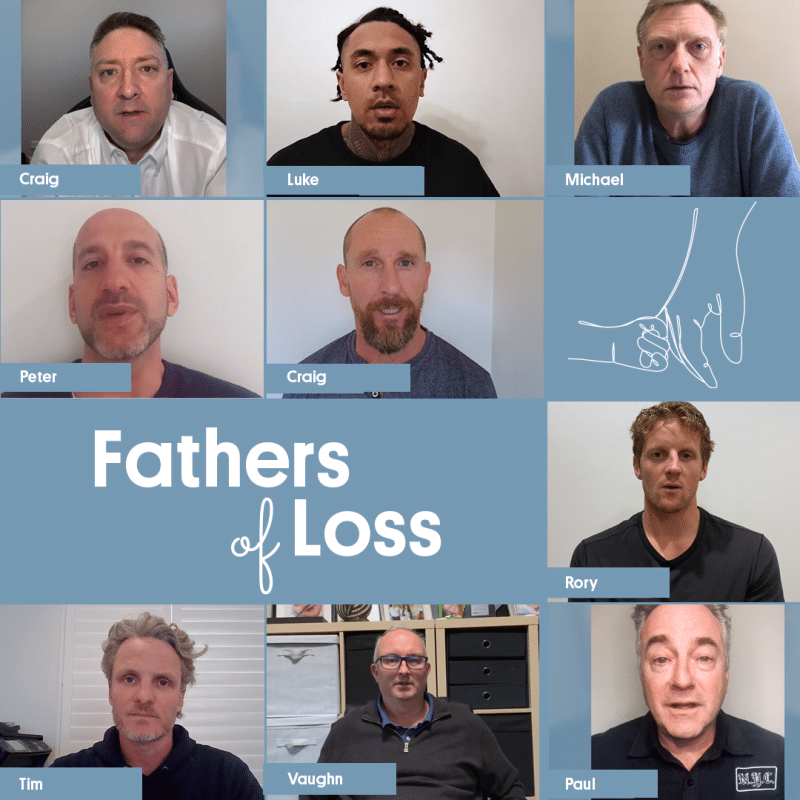
‘Fathers of Loss’ features a series of 10 short online videos filmed with dads who lost a baby, including Adelaide Crows captain Rory Sloane whose son Leo was stillborn not long before Father’s Day 2018.
Acknowledging the important role of mates, some videos are dedicated to providing advice for friends and family on how to best support a grieving dad. Some advice from the dads filmed includes:
Acknowledge our child was here and born, say their name
It might be very uncomfortable for you, but try to get past that and reach out
Say ‘I want to do this for you, would that be ok?’
The videos can be accessed by grieving dads and their mates anywhere, anytime via the Red Nose Grief and Loss website or YouTube channel. Each explores a different topic based on feedback from grieving dads who told us they often feel they need to set aside their grief to support their partner, while feeling like their own world had collapsed. The videos provide advice about what worked and what didn’t in a bid to help others going through the same pain right now.
‘Fathers of Loss’ has been funded by Sydney 2 CAMberra, an annual bike ride which was created by Sydney couple Graham and Nadine Belfield, who lost their son Cameron through stillbirth. Now in its 10th year with a special edition virtual ride next month, Sydney 2 CAMberra has raised more than $1.5 million to provide support for families affected by stillbirth and SIDS.
We urge any grieving dad feeling upset this Father’s Day to contact our 24/7 Grief and Loss Support Line on 1300 308 307
“My son Leo was stillborn in August 2018, just days before what would have been my first Father’s Day, and I was completely shattered. Since then, Bel and I have committed ourselves to do what we can to help other families experiencing this same devastation.
Rory Sloane – dad of Leo and Adelaide Crows Captain
“The contrast of this is some people avoid you. It makes them uncomfortable. I’ve heard people say I don’t like going to funerals. Nobody likes funerals. If you’re a mate, a friend or family, you have to be there. If you don’t know what to say, just being there can help. Just say sorry. It’s thirty-three years since my daughter died, but having someone call and ask how I’m going makes a difference. There’s nothing like hearing from someone.”
Paul Field – dad of Bernadette and musician
“In the early stages of loss and grief, find a trusted friend or family member to be your gatekeeper. Let them make the painful calls and be your protectors until you are strong enough to protect yourself. We found that the friends who allowed us to fall apart were the friends who were essential for our recovery.”
Tim – dad of Phoebe
“Feel all the feelings and don’t be scared to do so, especially in front of your partner. Allowing them to see your emotions will bring you closer together and help you realise that you are in this together. To friends and family it’s not just the mums that need support, Dads need just as much support. Some times we don’t say it, but we need it just as much.”
Pete – dad of Skye and Angel
“We stayed with him as long as we could. We took lots of photos and we were ready to move to the ward. The ward was where other families go. I still remember the nurse saying to us that we might want to cover our baby as he might make people feel uncomfortable. That was a bit of a shock. That was our son, our baby, our beautiful son. We told her ‘no’ it’s ok. We walked Koa out proudly as any other parent would.”
Luke – dad of Koa
If you’re a friend or family member of someone who has lost a child, be there. Don’t fill in the uncomfortable silences, just be there. Let them know that you know they’ve done everything they could. There’s no blame.
Craig Heatley – dad of Charlotte and Cameron and Red Nose Chair
“I want other fathers who are going through this to know that you don’t need to be a big strong, stoic man. These days being strong is allowing ourselves to feel our emotions and feelings. I made a real point not to hide my tears in front of my other children.”
Craig Christie – dad of Sarah
“Some of our friends were and continue to be a great support, but there were others who seemed to so quickly and easily forget about Nathan – which is incredibly hurtful.”
Vaughan – dad of Nathan
“Find something to be grateful for each day – even if it’s just that the sun is shining. And make sure you get out of bed. The pain never really goes away, but over time you learn to live with it, and now I feel like the future is a little brighter.”
Michael – dad of Hope
“Dads who’ve lost a baby have told us they are less likely to reach out for help than their partners, so this resource is all about bringing the help to them.
“Fathers of Loss is all about showing grieving dads they’re not alone, offering practical advice about getting through each day and providing hope for the future.
“Red Nose would like to thank Rory Sloane, Paul Field and all the dads who have so honestly shared their stories in the hope it will help other men, both now at Father’s Day and also over the future.”
Pillars of Strength to join Red Nose increasing Bereavement Services for Fathers Pillars of Strength has announced today that after a decade of supporting bereaved dads, they will fold into the Red Nose national operations.
Pillars of Strength Chair Daniel Zammit said after 12 years of supporting bereaved dads, we are proud of what we have achieved but it’s time to hand over the reins.
“We know that dads are in good hands with Red Nose, who provide important services especially for dads including their father-led peer support program, national men’s support line, professional counselling, and the newly released Fathers of Loss Support Series,” said Daniel.
“When Gary Sillett started Pillars of Strength in 2008, there was a dearth of supports available for bereaved dads, but fast forward to today and there is a better understanding of the needs of dads and we truly believe we can achieve a greater reach through Red Nose.”
Red Nose co-CEO Jackie Mead said Pillars of Strength has done a remarkable job supporting bereaved dads over the past 12 years.
“Red Nose is proud to carry on the legacy of Pillars of Strength and continue our joint traditions of providing tailored support for dads, giving them a place to belong and a space to talk about their grief and start to heal after the devastation of losing their baby or child,” said Jackie.
“Becoming a dad can be a wonderful experience, but we also know that sadly it can be one of the most devastating experiences when things don’t go as expected.
“And with 3,000 babies and young children dying each year to stillbirth, SIDS and other sudden causes, there are many thousands of dads in our community grieving the loss of treasured and much loved children.
“We also know that the grief of losing your baby or child never really goes away, you just learn to live with it, which is why bereaved dads need support now and in the future.
“Our support programs for dads include our men’s support line, online live chat program and father-led peer support groups, and our dad’s support library – these are all designed to help dads grieve the death of their baby or child and find ways to move forward again.
“With the influx of funds from Pillars of Strength we will be working to expand our service offering to reach even more fathers and in the way that works best for them,” said Jackie.
Dads needing support can call the Red Nose 24/7 Bereavement Support Line 1300 308 307.
Pillars of Strength was formed in 2008 by Gary Sillett when his son Isaac died and he found that there was nothing out there to help dads going through this terrible time.
Over the years they have supported hundreds of fathers with time out opportunities, events and connections to other bereaved fathers, including the successful George Maher and Hamish Howard Remembrance Golf Day in Wagga Wagga NSW. Shortly, Pillars of Strength will transfer their assets to Red Nose and wind up their charity.
Red Nose is a national charity working to save little lives through research and education and supporting families whose baby or young child had died during pregnancy, infancy or early childhood.
Red Nose provides free bereavement support services for families whose baby or child has died, including:
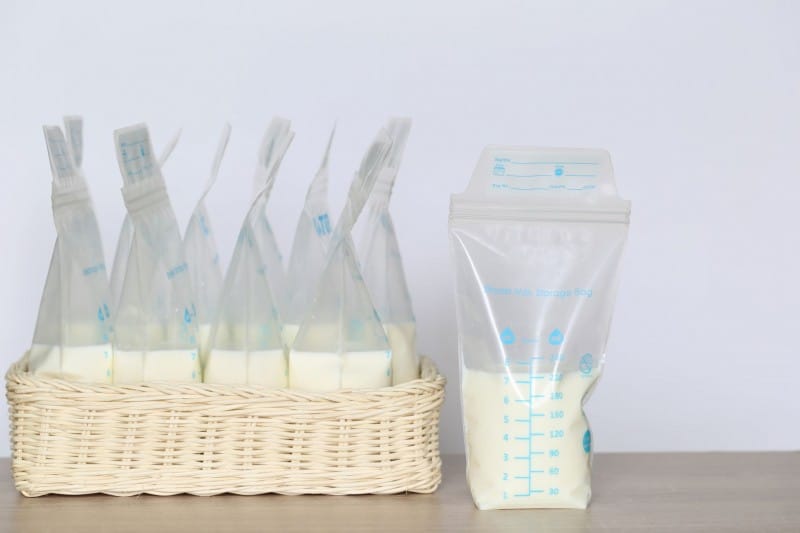
Since our inception, bereavement care for families has improved dramatically. One area that is often not discussed is lactation after loss.
A study undertaken by the ANU has found that many mothers remain unaware that they may produce milk after a loss. When health care is offered, most women are simply offered medication or advice to suppress their milk and return home without support. Very few women interviewed in the ANU study were presented with the full array of lactation management options. This can compound their grief and shock, adding an often physically painful addition to an already fraught time.
Dr. Debbie Noble-Carr, a member of the ANU research team, said that the study aims to inform health organisations to better understand the lactation care options available to mothers. Ensuring that both the physical and emotional impact of lactation after loss is considered is crucial.
The study has discovered that currently if lactation care is offered to bereaved mothers, it is usually a brief encounter aimed at supporting mothers to suppress their milk. But the study found women may want to consider other lactation management options and they may also require support to make decisions about what to do with frozen stores of breastmilk.
Of the 17 bereaved mothers interviewed for the study, many sought to use their breastmilk purposefully. Some mothers decided to donate their breastmilk to a Human Milk Bank, and others sought to share their milk informally, or saved it for subsequent children. The researchers stated some mothers may also like to retain their breastmilk as a memento to their child, to perhaps pour under a tree or use to make jewellery.
“I’d seen a lot of the other babies in [my baby’s] wing who had milk from the milk bank, so that was a nice way of being able to give back, with all the milk that we had in NICU…it was a really good, something positive [providing milk] coming out of a horrible experience.” (Sarah, from Qld)
The study has revealed that no matter the parent, or the decision to suppress or sustain milk, emotions are mixed. For a lot of mothers, lactation is unwanted. For others, they take comfort that their body was capable of creating sustenance, and it helps them to maintain the connection to their infant and to their identity as mothers.
“For me, it’s positive because it just makes me remember him. Remember that I was pregnant with him…Although I don’t have him here in my arms, but I am a mum, and my body is doing all of these things, was doing all of these things, because I am a mum. Because a lot of people look at me and they like, don’t refer to me as a mum.” (Madison, from Vic)
Some parents even found sustaining the milk for days, weeks or even months after their loss and donating it of great emotional benefit.
“I couldn’t just collapse down into myself, so I think the expressing the milk and donating the milk was keeping me up. It was my good thing that was going, you can do this! You can keep going. If you’re feeling really sad, we’ll just focus on this and think about the good that’s coming from it.” (Jessica, from Qld)
The study isn’t about encouraging mothers to either sustain or suppress their milk production. Still, the outcomes focus on ensuring that both the physical and psychosocial outcomes for the parent are considered when it comes to lactation after loss. It also aims to improve post-loss care and ensure that parents know their options and what to expect.
In 2020 Naomi and Jay lost their firstborn Esti at 25 weeks. They were a low risk, young couple and were locked into having a healthy child in their minds. It was such a shock when their doctor told them that they should have a ‘pessimistic outlook moving forward.’
The pain of losing Esti was something Jay and Naomi wouldn’t wish upon anyone. Despite this pain, they remember Esti with a smile.
Their loss has translated into wanting to do something for others and to help us by raising funds so that we can help other families ‘through the darkest time.’ They want to move forward and talk openly about it.
‘I had never done anything like this before,’ said Naomi
Peer support
‘I’d never heard of Sands before we needed them. They helped us through all these things we never knew we would have to do.’ – Jay
‘Sands helped me through the hardest moments of my life’ – Naomi
Naomi feels that it is hard for people who haven’t experienced what they have to understand, which is why she found that connecting tp the peer support team to be so helpful.
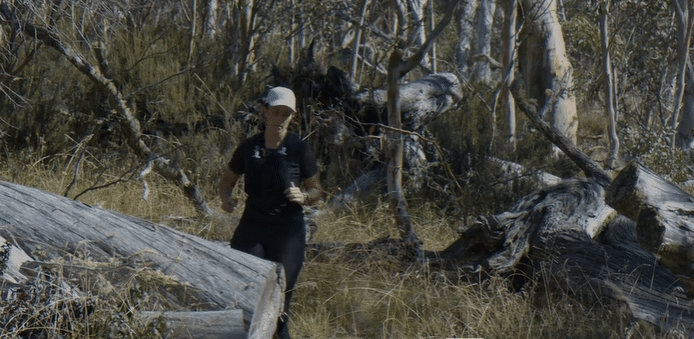
Jay and Naomi’ tried to turn a negative situation into a positive. When Jay first suggested running ‘7 peaks in 7 days,’ Naomi dismissed it quickly, but she came around to the idea almost as quickly as she’d dismissed it.
‘Talking to parents who were years down the track was a pivotal moment for me.’
The Run
Between them, Jay and Naomi ran over 260 km, close to 8000 metres elevation, and raised over $13,000. They were joined by several friends along the way and supported by people they hadn’t spoken to for years.
Naomi ran a separate route on many of the days and found the time especially important to her as she spent time with the memory of the beautiful girl that she lost. To help her stay motivated, Naomi wore a band with Esti written on it.
One of their friends helped them create this incredible video on their journey.
If you want to support SANDS and Red Nose, you can donate here
If you need help, please reach out to our 24/7 support line on 1300 308 307
Jaclyn is the new mum of gorgeous baby William, now four months old. She tells us what she knew about safe sleep before becoming a parent, and what has changed since!
What did you know about safe sleeping before you became a mum?
I knew the importance of lying the baby on its back whilst sleeping and ensuring its feet touched the bottom of the bassinet as this meant the baby couldn’t wriggle itself under the blanket. I was also aware that the baby should sleep in it’s own space and not in bed with its parents as this was a huge safety risk.
Where did you get your safe sleep information?
While I was pregnant I used the Red Nose website as a guide when preparing for William’s arrival, particularly with safety around sleeping do’s and dont’s, as well as clothing, bedding, breastfeeding, etc.
The video that Emma Freedman and Red Nose did with Big W was also incredibly helpful and was very relatable as Emma spoke about mantras and products that she swore by as a current parent and an expecting mum.
Post the birth of William, I have watched the Live Q&A videos with Jane Wiggill on Facebook & Instagram which have been very informative.
We are incredibly lucky to have access to resources like Red Nose!
Why do you trust Red Nose’s advice about safe sleep?
Red Nose has continued to have an amazing team of dedicated, professional and supportive employees who have worked in the sector for many many years. Their personal knowledge, experience and guidance is second to none. I trust that Red Nose provides up to date information from current Australian research in a positive and reassuring way. It’s obvious how passionate they are, whether it be an expert in their field or someone who has had a direct experience with SIDS. I appreciate that whatever questions or uncertainties new families have about their babies, Red Nose welcomes and supports this, and delivers the facts in a warm way.
What’s your greatest fear as a new mum?
I think as a new mum the thought that reoccurs in your mind is the fear of finding your baby not breathing in their sleep. To help myself with this I have always tried to make sure my baby is always sleeping on his back, and is comfortable and warm. I still check his chest and little heartbeat multiple times a night!
What advice would you give to your pre-pregnant self?
Sleep in!!! Enjoy those simple car rides to the supermarket! Try not to worry about too much, it is such a big learning curve, but the most wonderful joy at the same time.
For more safe sleeping advice and tips, visit our Safe Sleep Advice Hub or call our Safe Sleep Advice Line on 1300 998 698 (during business hours).
When a baby dies there is often little warning, leaving parents in shock and unable to organise clothing and funeral items – all while trying to say such a heart breaking and unexpected goodbye.
It is even harder for parents who experience a miscarriage, premature birth or stillbirth where clothing needs to be so much smaller than any store sells, or specially designed for fragile babies.
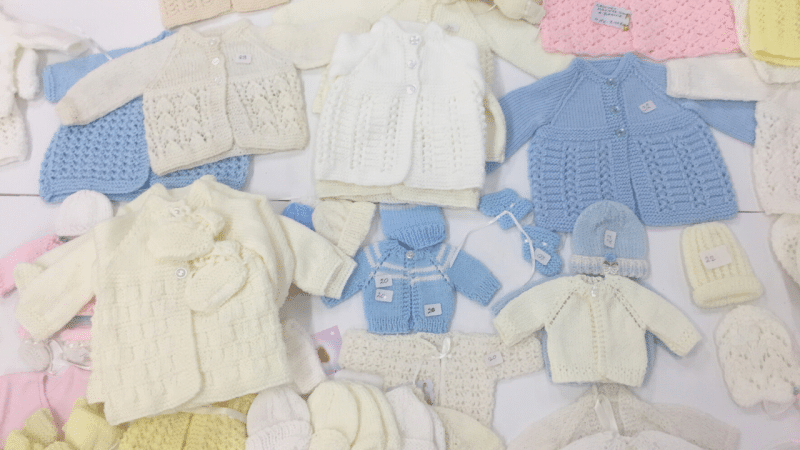
Thanks to your generous donations, grieving families are gifted special miniature clothing and angel boxes, so they can focus on cherishing the last moments with their baby.
Because of your support and a dedicated team of volunteers who sew, knit and make angel boxes, hundreds of families are lovingly gifted special Treasured Babies packs each year.
Giving newly bereaved parents the opportunity to choose their baby’s burial outfit can be empowering at a time when they have very little control over their situation.
When your baby dies there is very little you can do as a parent. The only decision you get to make is what your child wears.
Choosing the clothes and dressing baby gives silent permission to be a mum and dad.
It means parents can have some special time dressing, nursing and holding baby, and having photos taken, creating special memories that will be kept in their hearts forever.
Gifting these handmade items full of love can help parents find the space to grieve and say goodbye to their treasured little one.
Thank you for helping ensure heartbroken parents have access to free and specialised burial items so they can instead put their energy and focus into creating a lifetime of memories and saying goodbye to their precious baby.
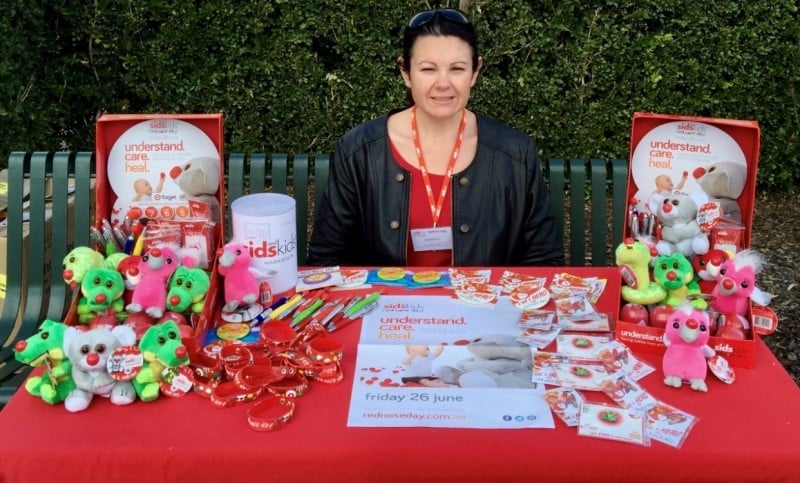
Each year, hundreds of volunteers give generously of their time to ensure Red Nose Day is a success. Behind every one of those volunteers is a story and very often a deep connection to the idea of supporting families and saving little lives. Felisha is one of Red Nose’s longest-serving Red Nose Day volunteers, clocking up almost two decades of involvement. She shares the story of how and why she brought the magic of Red Nose Day to her community in Denman NSW.
Even before I had kids, I knew about Red Nose Day. Whenever my husband Peter and I saw red noses for sale in a shopping centre we’d always stop and buy one. For some reason we always felt a connection to the cause, but we didn’t ever imagine it would impact us so personally.
I had a miscarriage with my first pregnancy. At the time I had very little support and it was really hard. I contacted SIDS & Kids, as Red Nose was known then, but I didn’t really become involved until later, after the birth of my second son, Jack.
When Jack was four months old I found him in his cot, face down and not breathing. I remember screaming to my husband for help. I had to try and resuscitate him.
Denman Hospital was a 2 minute drive away so we ran to the car, with our toddler, and took him straight there. A local gardener at the hospital saw us pull up and ran to us, grabbing Jack out of my arms and rushing him into the hospital. He must have been able to tell something very wrong when he saw our faces in the car. I didn’t know if Jack was going to be OK.
Jack did survive and after a week in John Hunter Hospital in Newcastle, where he was transferred, he was diagnosed central sleep apnea. His brain was not sending the signals to make him breathe properly, and so he wasn’t getting enough oxygen.
Jack came home but spent the next five years on oxygen therapy while he was sleeping. We had to use a sleep monitor. My grandfather, Percy, was the president of Denman Rotary at the time and Rotary were able to donate the monitor to us. Initially SIDS & Kids Newcastle provided us with the probes for the monitor and from then on, we were in touch with them all the time.
I eventually got pregnant again but unfortunately had a late term miscarriage. This time, I went to a local SIDS & Kids support group, which made a massive difference compared to how things had been with my earlier loss.
I was still heartbroken at the lack of support I received at the hospital, but through SIDS & Kids I was able to take things to the hospital about miscarriage grief to raise awareness because at that time there was nothing. And sometimes we’d drop off little care boxes for other parents who were going through it.
My grandmother, Noela, had lost a little boy in the cot years before. She ended up coming to the group as well and she finally got a chance to grieve for her son. It’s amazing how much this helped her even all those years later. It was like she had people who understood her grief. It meant a lot to her to be able to help some of the younger mums in the group, too.
One of the things I’m most proud of that came out of my involvement in the group was the establishment of a memorial garden for families so they could have plaques to recognize their babies. I was really bothered by the fact that my babies didn’t have a grave and that there was nothing to even show they existed and I knew other families might feel this way too. We called it the Garden of Innocence.
Eventually the SIDS & Kids group couldn’t operate anymore in my local area, so I started putting more of an effort into Red Nose Day, especially when my eldest son started at the local school. All the years my boys were at primary school we’d celebrate Red Nose Day and have all the kids dress up in red. We’d have competitions and sell merchandise.
Denman NSW, where I live, is a small country town, and after I’d finished at the school for the day I’d go up to the main street and stay there until 5pm so the kids from the other local school could come and purchase merchandise. I’d walk around to the businesses as well who would all support me.
Although all three of my boys have finished primary school now, I still do my bit for Red Nose Day.
It’s been hard at times to continue as life has had its ups and downs, but I do it because I know what other families are going through in tough times.
Red Nose Day is just something that is part of me now and that will always be a part of me. Just knowing that I can do something for the community touches my soul. I want people to understand what others are going through. You never want or expect it to happen in your own family but if it does, we want people to know there is help and support out there.
Red Nose helped me stay focused when I needed them so I want to give something good and worthwhile back to the community, even if it only helps one person.
Red Nose Day relies on the generous involvement of many community members, volunteers and fundraisers. To find out more about how you can get involved visit www.rednoseday.org.au