Sydney 2 Camberra Gala To Support Red Nose

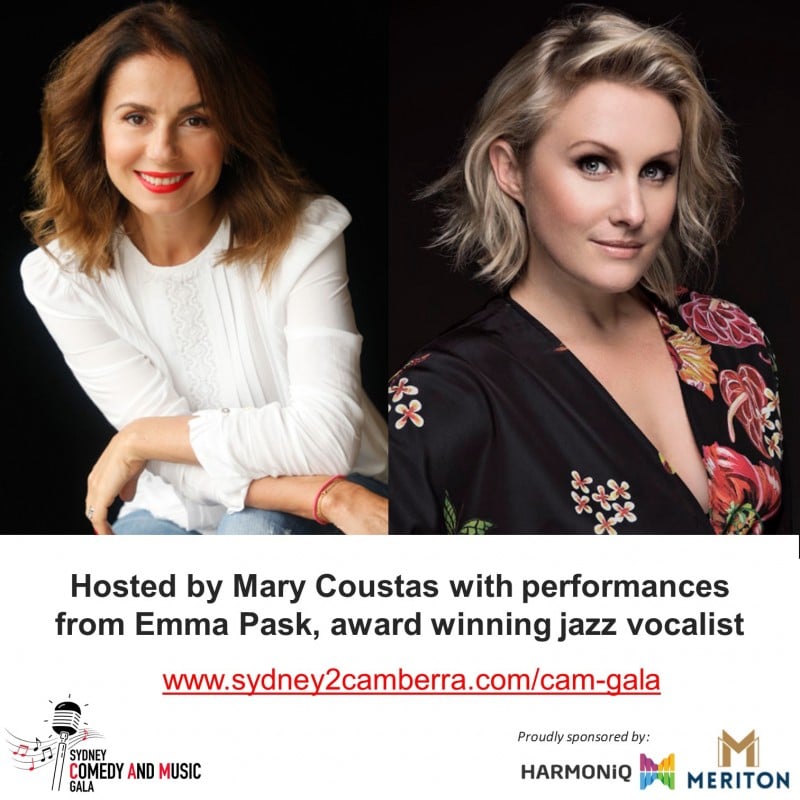
Our friends at Sydney2CAMberra have a special offer for all Red Nose supporters interested in attending their Gala in Sydney, on 15 March.

Sydney2CAMberra is a two-day ride undertaken by dedicated cyclists to raise vital funds for research, education and counselling support, following the tragic death of Cameron Belfield, to stillbirth.

And event organisers are offering a special discount to Red Nose supporters interested in purchasing an individual ticket or table.

Hosted by Mary Coustas, the Sydney Comedy and Music (CAM) gala will feature a number of comedy acts as well as a musical performance by award winning jazz vocalist Emma Pask.

Special guests include Senator Kristina Keneally and Craig Alexander, and a wide range of fantastic prizes are on offer.

Ticket includes a 3 course dinner and drinks, and all guests will go into the draw to win 5 nights in a Luxury Bali Villa.

Red Nose Supporters will receive a special discount by using coupon RNTICKET ($25 discount for individual tickets) or RNTABLE ($250 discount for a table).

Click here to purchase your tickets or a table.

How To Create A Safe Nursery

Setting up your nursery for your new baby’s arrival is an exciting time for parents. Our Chief Midwife Jane Wiggill has put together the below checklist to help parents make their nursery a safe space for bub.

1. Purchase equipment that meets Australian Safety Standards:

This is especially important for cots,” Jane advises. “All new and second-hand cots sold in Australia must meet the current Australian and New Zealand Standard for Cots (AS/NZS 2172:2003) and will carry a label to say so.

“If you are planning to use a second-hand cot, check that it meets those standards, and that it is no more than 10 years old.”

2. Make sure there is nothing in or around the cot

“Putting items in and around the cot could pose a risk,” explains Jane.

“This includes bumpers, pillows, toys, lambs’ wool, bunting, or mobiles.

“Also make sure your cot is positioned away from windows, where there is potential for accidents or injury from curtains and curtain cords.

3. Secure your furniture

“Make sure furniture such as tall boys or bookshelves to the floor or walls, to stop them from tipping over,” says Jane.

“You can also secure drawers with infant safety locks, and position furniture so there is easy access to power plug points.

“This stops you needing to use extension cords, which can be a tripping hazard.”

And, Jane says, removing electrical devices and closing off plug points with plastic guards can prevent accidental electrocution.

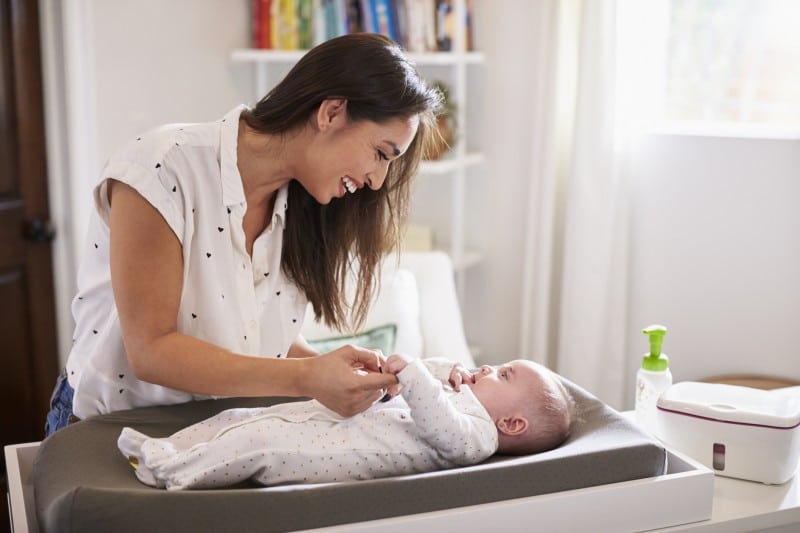
4. Change table safety

Never leave your baby unsupervised on a change table, as they can easily roll or fall off, says Jane.

“I find it helps to have everything you need within arm’s reach when changing your baby, and always keep one hand on your bub while they are on the change table.”

5. Have a comfortable breastfeeding chair

“Having a really comfortable breastfeeding chair that is easy to get in and out of, makes a huge difference. Especially for late night feeds,” advises Jane.

“And if possible, have good, but dim lighting, for late night feeds and nappy changes.”

Follow our other tips for a safer nursery setting

  • Use a firm, well-fitted clean mattress with no rips or tears
  • Use bedding that is lightweight and made from breathable fabrics
  • If you live in an older room, check for evidence of mould, and ensure the paint on the walls are not lead-based

Want to know more? Check out our recommendations for making up your baby’s cot.

No One Should Lose A Child Our Ceos Story

21 years ago, on Valentine’s Day 1998, Red Nose CEO Keren Ludski, lost her precious son Ben to SIDS. Read below for Keren’s story.

“It was Valentine’s Day 1998. We were preparing to leave for a family lunch at my mother’s house. Ben was still asleep in his cot, so I told my older sons, Josh, 6, and Jarryd, 4, to go hop in the car, while I woke Ben from his sleep.

“As my hand touched the door handle, I knew something was wrong. I picked him up from his cot. He wasn’t breathing. That’s the moment my life changed forever. I called an ambulance and started CPR. Ben was initially revived and rushed to the Children’s Hospital.

“But it was too late. The doctors ran a series of tests, but he had no brain activity. There was nothing more they could do.

“I remember the day the hospital first connected me to my Red Nose counsellor, starting my journey with this organisation that helps so many people. Over time, as I started to heal I decided I wanted to volunteer with Red Nose, and use my experience as a platform to help other families going through similar experiences.

“I joined with the Red Nose counsellors to talk with police and ambulance workers about how they handle SIDS deaths. For me, it was healing, knowing that the next family to experience this unimaginable tragedy would be treated with compassion, empathy, and understanding. And not with suspicion, mistrust and blame like many families are on the worst day of their life.

“I didn’t want anyone else to feel as alone as I did, so I became a peer support worker with Red Nose – a parent who talks with other parents and supports them through their journey.

“The hardest – but most truthful – thing to hear as a bereaved parent is that you will never get over it. For me and many other families I have spoken to over the years, it is learning to make space for it, so it becomes less edgy and less prickly and not as hard to breathe.

But, being able to talk to someone who has gone through the same thing as you can bring so much comfort – finally you can talk to someone who understands what you are going through without pity or judgement.

“After Ben’s death, I was blessed with my fourth child, Gemma. I remember my sons asking me when I was pregnant, “will this baby die too?” That was one of the hardest questions I have ever been asked. Because I didn’t know the answer.

“Every ounce of my being wanted to say, “no of course not”, and yet I knew I couldn’t promise that.

“Today, I look at the wonderful relationship my children have with each other, and I know that’s because of Ben. They know how lucky they are to have each other. Ben has shaped who we are today – and that’s how we keep him alive.

“Ben’s death also turned my professional working life on its head. At the time, I owned Kez’s Kitchen, a biscuit company and passion project I started in my kitchen, which I believed I would do forever.

But after Ben, it was just biscuits. So frivolous. I needed to do something that was more meaningful.

“So I became a grief counsellor, to help other people on their healing journey. But the work I do now at Red Nose is the best work that I can do in Ben’s memory. That’s why I’m here.

“My personal healing journey started with Red Nose. And now, 21 years later, I begin my new chapter as CEO of this vital organisation that helps thousands of people each year.

“And as I sit here in at my desk, I know Ben would be proud.

“Because of our supporters, Red Nose has come a long way. Our supporters have helped reduce SIDS by 85 per cent in Australia. I can’t emphasize enough just how huge this is.

“That’s 10,000 little lives saved, and 10,000 families that didn’t have to go through what my family went through.

“But there continues to be nine families that experience the death of a child every single day. And this is not OK. We need to do everything we can to reduce this number to zero – because just one more family having to lose a child is too many.”

A life changing donation can end the pain, prevent the cycle, and help heal the heartbreak.

End the pain – by continuing to fund life-changing research to uncover the reason why 3,200 children in Australia die suddenly and unexpectedly during pregnancy, infancy or childhood.

Prevent the cycle – by turning our research findings into public health education campaigns that help all Australian parents be informed and help save little lives.

Heal the heartbreak – by continuing to support every single person that has been impacted by the death of a child, through a range of free services that will ensure each person gets the support they need.

Because no one should have to go through the unimaginable horror of losing a child. But if they do, Red Nose will always be there to support them.

And with your help, we can make sure this happens. Your life changing gift will directly fund our Grief and Loss Services as well as vital research to reduce nine a death a day to zero.

Introducing Your Pet To Your New Baby

There’s a lot to plan and prepare for when it comes to bringing baby home after birth.

Something that can often be overlooked is the relationship between your family pets and your new baby.

It’s easy to assume pets will easily adapt to the arrival of a new baby, but this is not always the case, Red Nose midwife Jane Wiggill cautions.

“80 per cent of dog bites to children happen at either your home, or at a friend’s home,” she says.

But, with a little bit of preparation, you can introduce your baby to your pet in a gentle manner.

The first step, explains Jane, is to think of ways to safely separate your pets from your baby.

“Make sure you have internal flywire doors installed, or child gates, that allow for some space between bub and your family pet,” she says.

And, she says, think about changes to your pet’s routine that will occur once baby comes home.

“Changes to a pet’s routine can include things like where they sleep, eat, and when and how you exercise or play with them,” Jane explains.

“Start introducing these changes to routine before your new baby arrives, to make them a bit more comfortable.

“For example, if you plan on taking your dog for a walk with your baby in a pram, practice this before your baby arrives.”

You can also prepare your pet for baby’s arrival by getting them used to baby noises, smells and furniture or objects beforehand.

“Let your pet explore new smells by applying lotions and powders to your hand and letting them smell, or play a recording of baby noises so they get used to these new sounds,” Jane says.

“You can also let your pet come into your baby nursery so they can smell and investigate the furniture.”

So, now you have prepared your pet for your baby’s arrival, what should you do when it is time to introduce bub to your pet?

”Never force a pet to meet your baby,” Jane advises.

“Let your dog or cat approach when it is comfortable, and give them lots of reassurance and positive reinforcement through praise and stroking.”

It’s also a good idea for mum to spend some one-on-one time with your pet. “It’s important that your pet doesn’t feel like it is being punished, so make sure you have lots of toys and treats on hand.”

By following these tips, you can be reassured that your pet and baby will have a loving relationship.”

This article was put together with thanks to our friends at We are Family.

For more tips and tricks, visit www.wearefamily.vic.gov.au

Red Nose Supports Those Impacted By Stillbirth

Did you know Red Nose provides free support to anybody impacted by stillbirth?

This week, the Minister for Health will lead a roundtable of stakeholders, including Red Nose, to assist the Government in developing a stillbirth national action plan.

While this is promising news for the Australian community, we understand it may be a distressing time for parents and families impacted by the death of a child.

Red Nose is here for you.

We provide free support 24 hours a day, 7 days a week. Call us on 1300 308 307 to talk, 24 hours a day.

You can also call 1300 308 307 to make an appointment for a counselling session or to join a support group.

We also have plenty of resources over at www.rednosegriedandloss.com.au

Confused About What To Eat While Pregnant

We speak to Mercy Hospital for Women’s Head Dietitian Nelly Moshonas about healthy eating during pregnancy

When Rheannon was pregnant with her first child, she knew she had to make some changes to her diet. “I generally ate pretty healthy, so I didn’t think my diet was too bad, but I wasn’t sure what sort of nutrients my baby needed, and I found there was a lot of conflicting advice out there,” she says.

Rheannon sought the advice of a dietitian, who was able to make some minor changes to her diet and give her the information she was looking for.

Nelly Moshonas, Head Dietitian at Victoria’s Mercy Hospital for Women agrees that it can be hard to know what to eat and what not to eat.

“While all mums know that a healthy and safe diet is of benefit to both themselves and their baby, there are a lot of fad diets out there with conflicting advice, and at times it can be really confusing,” she says.

But, Nelly says, following the Australian Dietary Guidelines is a great guide for a healthy pregnancy.

“Key advice I give to my patients is to enjoy a wide range of foods, as both you and your baby need vital nutrients during pregnancy. And be cautious of any ‘diets’ that recommend removing food groups all together, such as grains or dairy.”

Something to be aware of is the old adage, “eating for two”. Nelly explains: “this doesn’t mean doubling what you eat, in fact, pregnant women only need to eat just a little more to meet their increased nutrient needs.”

“And, if you already follow a healthy diet, you can continue to enjoy the same amount of fruit, vegetables and dairy each day, and just slightly increase your grain and protein intake in your second and third trimesters.

This extra intake is equivalent to two slices of bread and a handful of almonds in the second trimester. Add to this an extra half a cup of baked beans in the third trimester.

“I always bring healthy eating back to good, old-fashioned, ‘everything in moderation’,” Nelly says.

“If the majority of your diet is based around the healthy eating guidelines, you can still enjoy the occasional treat, such as chocolate.”

What about eating fish during pregnancy?

Fish, says Nelly, is a safe and healthy food. “It’s high in omega 3 oils which is good for your baby’s brain and eye development, and it’s also a great source of iodine.”

You do, however, need to be mindful of fish that may contain high levels of mercury.

“Mercury can be harmful to your baby’s brain development, so limit fish that are high in mercury to 1-2 times per fortnight, and don’t eat any other fish in that fortnight,” Nelly says.

Fish high in mercury include shark (flake), swordfish, broadbill, marlin, orange roughy, and catfish.

“All other fish can be eaten 2-3 times per week, especially if you are avoiding those fish with a high mercury content,” she explains. One serve is about 150g.

“It is also recommended to avoid any raw or smoked fish, as well as ready-to-eat peeled prawns, to reduce your risk of listeriosis”.

What is listeriosis?

Listeriosis, explains Nelly, is a type of food poisoning that can be passed on to the baby and could potentially cause miscarriage, premature birth or stillbirth. This is caused by eating foods that contain the bacteria Listeria monocytogenes.

Foods that contain the Salmonella bacteria can lead to another type of food poisoning.

However, there are simple ways to decrease your chances of coming into contact with these foodborne illnesses.

“Avoiding certain foods that have a higher chance of containing these bacteria is recommended,” she says. “This includes cold deli meats, soft cheeses, pre-prepared salads, and raw or runny eggs.”

“Washing your hands before preparing food or eating also reduces the risk” Nelly says. “Also don’t leave food on benchtops for too long when cooling; put it in the fridge as soon as the steam has gone”.

It’s ok to have your daily coffee

Something that may make all mums feel a bit happier is that you can still have your daily coffee.

“Coffee and tea can be enjoyed in moderation but too much caffeine can increase your risk of having a small baby,” Nelly explains.

“I recommend having less than 200mg per day, which is 1-2 cups of coffee from a café, such as an espresso or latte.

“If you are drinking instant tea or coffee at home, you can have 3-4 cups,depending on strength.

“I don’t recommend energy drinks as they have a very high caffeine content.”

Vitamins

Nelly also recommends, in consultation with your GP, taking a pregnancy multi-vitamin for Folic Acid and Iodine. It’s also important to watch your Vitamin A intake.

“Retinol is a form of Vitamin A that may be harmful to the developing baby, and the liver contains large amounts of this type of Vitamin A, so it is best to avoid or limit to less than 50g per week,” she says.

“Some pregnancy multivitamins contain a form of Vitamin A called beta carotene that is safe.”

Nelly’s top tips for healthy eating during pregnancy:

  • Enjoy a wide variety of nutritious food from the five food groups each day
  • Drink plenty of water and try to avoid sugary drinks
  • Limit foods high in saturated fat and added sugar
  • Prepare and store food safely
  • Avoid foods that may contain listeria or salmonella
  • Limit fish containing high levels of mercury to 1-2 times per fortnight

For more information, follow the guidelines at: www.eatforhealth.gov.au

Don’t Be Fooled By Celebrity Endorsement

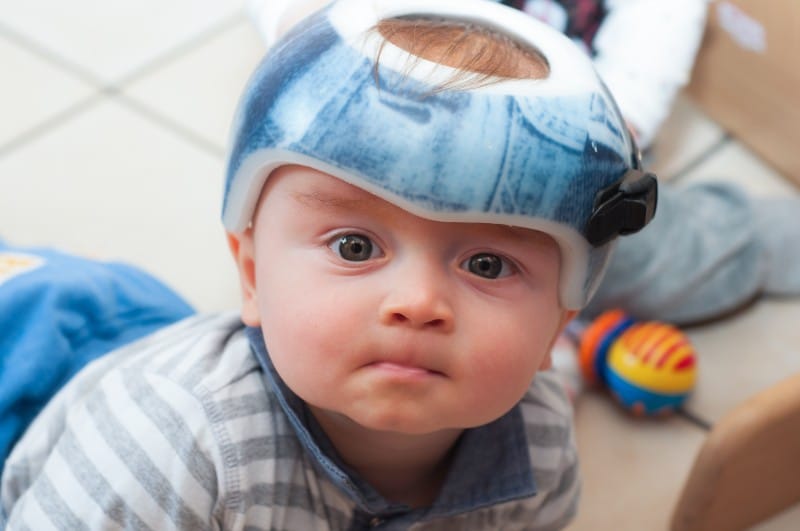
Cute photo isn’t it? But what this child’s parents don’t know is ​that flat-head syndrome is very common, and custom-moulded helmets are only required in severe cases.

Recent attention surrounding flat-head syndrome (also known as positional plagiocephaly) has left parents seeking advice about the use of helmets to reshape their baby’s head.

While Red Nose understands that flat-head syndrome can be worrying for parents, it is actually a very common condition that affects one in five babies.

This is because the bones in a baby’s skull are flexible and soft, to allow the head to change shape easily.

Flattening on the back of the head or to one side can happen if the baby has their head in the same position for a long time. But, this doesn’t affect brain development and is a condition that resolves in time.

Only rarely do a small number of babies with severe flattening require fitting with a specially designed helmet, however this is very rare and is only done under guidance of a medical practitioner.

Flat-head syndrome is also easily preventable. Red Nose’s evidence-based recommendations include simple measures that parents can implement at home to prevent a flat head:

  • Increasing the amounts of tummy time while baby is awake and not hungry or tired. Be sure to interact with them and place objects the baby enjoys around to encourage your baby to look around.
  • Moving the position of your cot – babies enjoy looking at fixed objects like pictures or windows.
  • Gently repositioning the head when the baby is asleep.

Tummy time is especially beneficial as it:

  • Strengthens the neck, shoulder, arm and back muscles (necessary to move around safely)
  • Builds the strength and coordination needed for rolling over, crawling, reaching, and playing.
  • Helps with good brain development.

Red Nose always recommends sleeping baby on the back, as research has found that sleeping baby on the back greatly reduces the risk of sudden and unexpected death and SIDS.

Prime Minister Helps Celebrate 30 Years Of Saving Little Lives

Babies right around Australia sleep safely every day thanks to 30 years of research, funded by Red Nose Day.

With about 330,000 babies born in Australia each year – 108,000 to first-time parents – the Red Nose safe sleeping messages being taught to parents in hospitals are helping to eliminate accidental infant death while sleeping.

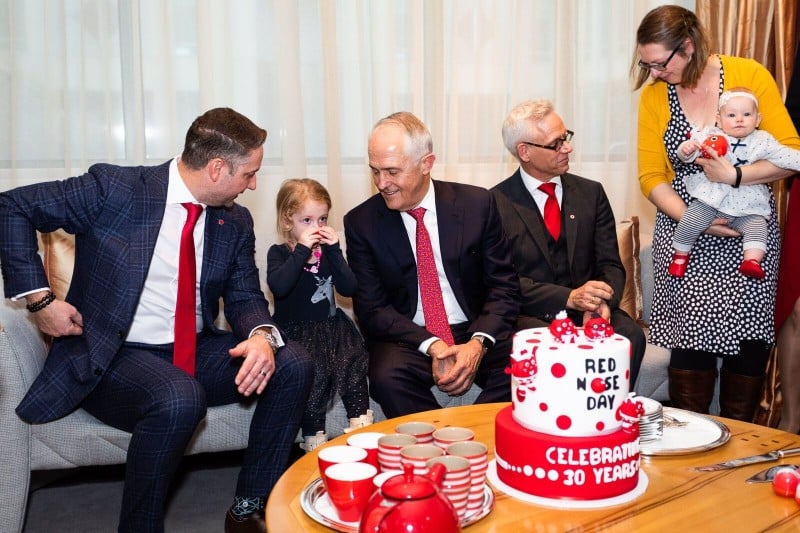
To mark this significant milestone and celebrate the lives that have been saved through the safe sleeping education program, Red Nose met with Prime Minister Malcolm Turnbull at Parliament House yesterday afternoon.

Today, Friday 29 June, is the national charity’s 30th Red Nose Day and its flagship fundraising event.

All funds raised through the sale of merchandise go towards funding vital and lifesaving research into sudden and unexpected death in babies and infants, including SIDS and stillbirth.

Central to the celebration was a two-tiered cake representing the two grassroots services offered by Red Nose – Safe Sleeping Education and Bereavement Support.


Mr Turnbull was joined in the cake cutting by Red Nose Board Chair and Partner at PwC Craig Heatley, Red Nose Head of Health and Advocacy Jane Wiggill, and Red Nose National Scientific Advisory Group Chair Professor Craig Pennell.

He was also joined by parents and children from a Canberra-based Red Nose support group for bereaved parents, and Red Nose ACT-based community fundraising staff.

Prime Minister Malcolm Turnbull said he was delighted to be able to celebrate the occasion.

Mr Heatley said the meeting was an important way to acknowledge the meaning of Red Nose Day.

“Over the past 30 years Australians have dug deep to donate to Red Nose Day, and this has allowed Red Nose to significantly support research into SIDS and stillbirth, deliver safe sleeping education to all new parents in Australia, and provide bereavement support services to families touched by the death of a child,” he said.

“As an organisation, we receive limited Government funding, and we really rely on the generosity of the Australian community to fund ongoing bereavement support services, vital research, and education projects such as eLearning programs for new parents and childcare educators.”

Mr Heatley said that almost 10,000 babies’ lives have been saved, thanks to Red Nose education and research.

“We have come a long way. Through research we have developed evidence-based education practices, such as sleeping baby on its back, that have contributed to reducing the risk of sudden and unexpected death.

“But still, nine deaths a day – six from stillbirth – are too high, which is why we welcome the Government’s involvement in our research area with the establishment of the Senate’s Select Committee on Stillbirth Research and Education,” he said.

This Red Nose Day, ‘A Little Give, For A Little Life’, is all it takes. People are encouraged to visit www.rednoseday.com.au to make a donation and help save little lives.

Funds raised through Red Nose Day fundraising activities go to Red Nose’s advocacy and research programs into the causes of all sudden, unexplained and preventable childhood death, educating the community on safe sleeping practices, and supporting families who have been devastated by the sudden and unexpected death of a child.

About Red Nose:

In October 2016, SIDS and Kids launched its new name, Red Nose, and a new remit – to reduce the incidence of sudden and unexpected death in babies and children in Australia to zero. This includes all incidences of sudden and unexpected death from 20 weeks gestation to four years of age, such as SIDS, stillbirth (which currently attributes to six deaths a day), and fatal sleeping accidents.

Red Nose provides vital safe sleeping education to expectant mothers, their families and healthcare professionals all around Australia. They also conduct world-class research into sudden and unexpected death in infancy and provide crucial bereavement support to those affected by the death of a baby or child, receiving more than 10,000 calls for support and education every year.

About Craig Heatley – Chair, Red Nose Board and Assurance Partner, PricewaterhouseCoopers (PwC)

Craig is an Assurance Partner with PricewaterhouseCoopers (PwC) and has been with the firm for over 20 years both in USA and Australia. Craig is also a bereaved parent, having lost his first daughter Charlotte who was stillborn at 35 weeks, and then his son who passed in his sleep at 22 months of age.

Craig is passionate about making a difference in both his work life with his staff and clients, home life with his family and specifically his three children, and in the community which is why he became involved with Red Nose, so that hopefully he could prevent other from going through the same pain.

About Jane Wiggill – Red Nose Health and Advocacy and Registered Nurse / Midwife

Jane is a registered practitioner of nursing and midwifery, Jane has a keen interest in high-risk antenatal and intrapartum clinical settings, perinatal medicine and bereavement support. Her appointment to the position of Manager Health and Advocacy will ensure our current advocacy position is improved and marshalled in conjunction with Red Nose’s continuing evidence-based health expertise.

About Professor Craig Pennell – Chair, Red Nose National Scientific Advisory Group

Professor Craig Pennell is Chair in Obstetrics and Gynaecology and the Professor of Maternal Fetal Medicine at the University of Newcastle. He works clinically as a subspecialist in Maternal Fetal Medicine at the John Hunter Hospital in Newcastle and is a principal researcher at the Hunter Medical Research Institute.

Craig has managed high risk pregnancies as a subspecialist for over 15 years in Canada, Perth, and now Newcastle. His clinical work focuses on preterm birth prevention and pregnancy after stillbirth; he has managed more than 1500 women’s pregnancies after stillbirth.

Media Contact:

Kasey Brunt, Marketing and Communications Manager, Red Nose. Phone: 0400 103 570

Dfes Helping Red Nose To Save Babies Lives

In 30 years almost 10,000 Australian children’s lives have been saved, but still nine children die every day – why you should support Red Nose Day on 29 June 2018.

Red Nose Day is celebrating a significant milestone: Its 30 year anniversary of saving Australian babies’ and children’s lives. Ongoing public support for Red Nose Day across these decades has enabled Red Nose to make a powerful impact in reducing sudden and unexpected death in infancy, but they rely on continued support to progress this life-saving work – Red Nose are urging Australians to get behind Red Nose Day on 29 June 2018, with A Little Give, For a Little Life.

Every day in Australia, nine children under the age of four die suddenly and unexpectedly, with causes including stillbirth, SIDS and fatal sleep accidents. Red Nose’s goal is to reduce this number to zero.

Since its inception 30 years ago, Red Nose’s work in critical research and education programs have proven effective by the fact there has been an 85% decrease in sudden unexpected deaths in infancy (SUDI) in Australia, saving an estimated 9,967 lives. However, there is so much more that needs to be done to reduce these deaths to zero, and Red Nose relies heavily on public support of Red Nose Day to continue their work.

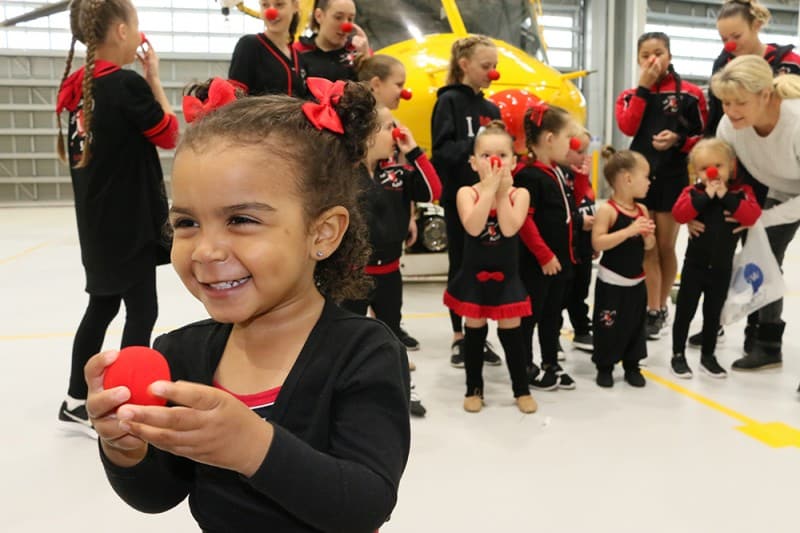
This year, Western Australia’s Department of Fire and Emergency Services (DFES) is helping raise awareness for Red Nose Day by affixing red noses to all of their metropolitan-based fire appliances, support vehicles and the RAC Rescue helicopters. Firefighters are often first responders to incidents involving the fatality of a child. This is a traumatic and life-altering experience for the families and those attending them on the scene. DFES are supporting Red Nose to reduce nine deaths a day to zero and raising awareness for the critical Grief and Loss support services Red Nose provide to anyone affected by the sudden and unexpected death of a child.

Fire and Emergency Services Commissioner Darren Klemm AFSM said DFES is getting behind Red Nose in their efforts to reduce sudden and unexpected deaths in children.

“Emergency services personnel often attend traumatic incidents involving children and witness first-hand the devastation caused – it’s hard to walk away from the scene without this having a profound effect on you,” Commissioner Klemm said.

“DFES is proud to support Red Nose Day to try and help reduce the number of children who die suddenly and unexpectedly to zero. All of our metropolitan-based career firefighting appliances and RAC Rescue helicopters will be sporting red noses to help raise awareness, and firefighters will be on hand to help raise money on Red Nose Day.”

DFES firefighters will be at Perth’s Murray Street Mall fundraising stall between 12.30pm-1.30pm on Friday 29 June this Red Nose Day.

How to get involved

Red Nose are inviting all Australians to join DFES and get involved in Red Nose Day in a number of different ways. People can purchase a red nose or other Red Nose Day product, make a donation, host a children’s fundraising disco, set up an online fundraising page or visit the fundraising stall in Murray Street Mall on Friday 29 June.

Funds raised through Red Nose Day fundraising activities go to Red Nose’s advocacy and research programs into the causes of all sudden, unexplained and preventable childhood deaths, educating the community on safe sleeping practices, and supporting families who have been devastated by the sudden and unexpected death of a child.

Red Nose Day products available this year include the iconic red noses, car noses, truck noses, adorable plush toy characters as well as pens and wristbands. All these products are available to purchase from Big W, Spotlight, CUA and other leading retailers as well as online at rednoseday.com.au.

Key details for Red Nose Day:

What? Red Nose Day 2018

When? Friday 29 June 2018, with campaign activity running throughout June

Where? Australia wide

How?

Why? To raise money for Red Nose so it can continue to provide safe sleeping education and fund vital research to save the lives of babies and children and provide vital Grief and Loss services to support families who suffer the sudden and unexpected loss of a child.

By supporting Red Nose Day, you will help fund:

  • Research into the causes of stillbirth and SUDI

  • Life-saving education with a track record of reducing the risk of SUDI

  • Bereavement support for the up to 60 people who are impacted by the death of just one child

Show your support this June by purchasing a Red Nose Day product, donating to Red Nose or starting your own fundraising campaign. A Little Give, For a Little Life is all it takes. Go to www.rednoseday.com.au for further information on how you can get involved.

#rednosedayoz
#ninetozero
#alittlegiveforalittlelife
www.facebook.com/RedNoseAus/
www.instagram.com/rednosedayaustralia
www.twitter.com/RedNoseDay_Aus

About Red Nose

In October 2016, SIDS and Kids launched its new name, Red Nose, and new remit – to reduce the incidence of sudden and unexpected death in babies and children in Australia to zero.

Red Nose provides vital safe sleeping education to expectant mothers, their families and healthcare professionals all around Australia. They also conduct world-class research into sudden and unexpected death in infancy and provide crucial bereavement support to those affected by the death of a baby or child, receiving more than 10,000 calls for support and education every year.

Since Red Nose’s inception, over $18 million has been devoted into researching stillbirth, neonatal death, Sudden Infant Death Syndrome (SIDS), and other causes that contribute to the 3,200 unexpected infant deaths that devastate Australian families each year.

Prince Brothers Making A Difference For More Than A Decade

Every year, hundreds of people volunteer their time to help Red Nose raise money to save little lives. Two of our of volunteer superstars, Adam and Josh Prince, have been volunteering every year for the past 12 years!

Adam, 23, and Josh, 25, were 11 and 13 years old respectively when they started helping Red Nose by manning fundraising stalls back in 2006 when the organisation was still known as SIDS and Kids.

Says Adam: “We were told that SIDS needed volunteers to help out for Red Nose Day so we both agreed that we should help out and do whatever we can to help.

“We’ve continued to volunteer every year due to being able to give back to the community and to help out an organisation that has served thousands of families in their time of sorrow.

“It has been an absolute pleasure to be involved for so many years due to the kind people you work with and the connections you make, while also feeling a great sense of community that Red Nose has created and see the work they have accomplished.”

Huge thanks and gratitude to Adam and Josh and our entire volunteering community for the support – we couldn’t do it without you!

If you want to join our volunteering family, we’d love to have you join us! Head to https://rednose.org.au/page/volunteer to register.

Family Fundraises At Christening Of New Baby

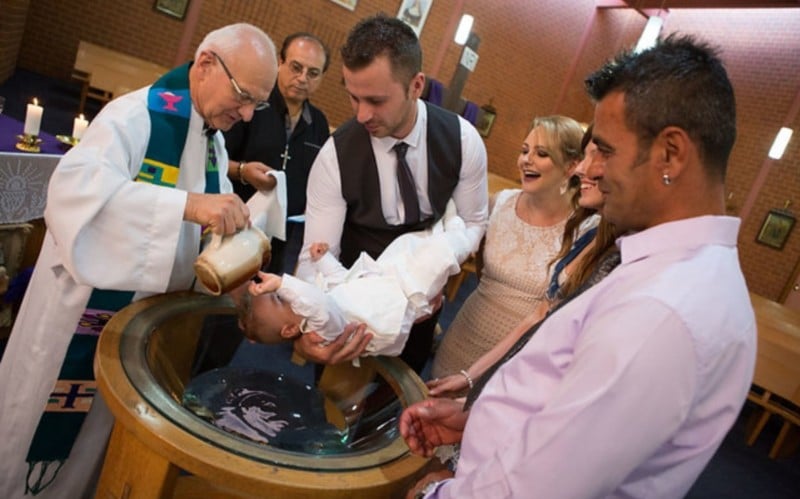
The Buhagiar family recently took the opportunity to fundraise for Red Nose at the christening of their first child Jordan Joseph Buhagiar.

Jordan’s mother Trish said “When we have functions we like to make donations to a worthy cause in lieu of your standard sugar almond bonbonniere. For our engagement and wedding we chose the Cancer Council Victoria. I didn’t think that was fitting for our son’s christening so I went in search of something different. With a vision of ‘a future where no child dies suddenly and unexpected during pregnancy, infancy and childhood’ Red Nose was that worthy cause. My family hasn’t be touched by the monster that is SIDS but many have. So with the money that we have donated I hope it helps getting that one step closer to the research needed to eliminate SIDS.”

The Buhagiars purchased 50 Red Nose lapel pins as gifts for their guests. Trish even designed her own backing card to let their friends know that a donation had been made to Red Nose on their behalf. The delicate organza pouches were filled with red and blue lollies along with the lapel pins, creating a unique and heartfelt bonbonniere for Jordan’s christening.

The gifts were an absolute hit with their friends and family who loved the idea of supporting Red Nose’s vital work. Trish also said that they had a great experience working with Red Nose saying “I would love to thank Rikki Stewart the community fundraising coordinator for all her help with organisation our bonbonniere. She was absolutely wonderful to talk to and was extremely helpful and ensured that our delivery of lapel pins arrived within a week.”

Red Nose would like to thank the Buhagiars for fundraising and for allowing us to help celebrate the safe arrival of baby Jordan.

If you would like more information on fundraising at events or ordering Red Nose merchandise please contact fundraising@rednose.org.au or phone 1300 998 698.

SIDS Book An Important Update

A book supported by Red Nose is expected to become an invaluable resource for people working in the field of sudden infant and early childhood death.

SIDS: Sudden infant and early childhood death: the past, the present and the future provides an update on significant developments in the understanding of sudden and unexplained deaths since the last general book on SIDS was published in 2001.

Edited by Red Nose National Scientific Advisory Group members Doctor Jhodie Duncan and Professor Roger Byard, the book includes contributions from major researchers and workers in the field, with topics ranging from parental grief through to the most recent theories of brainstem neurotransmitters.

The book is expected to be indispensable for SIDS researchers, SIDS organisations, paediatric pathologists, forensic pathologists, paediatricians and families, and residents in training programs that involve paediatrics, and will be of use to other professionals who become involved in SIDS cases, such as physicians, lawyers and law enforcement.

SIDS was officially launched at the University of Adelaide on 11 May 2018. To download a free copy or order a printed version visit the University of Adelaide Press website.

Album Supports Bereaved Families

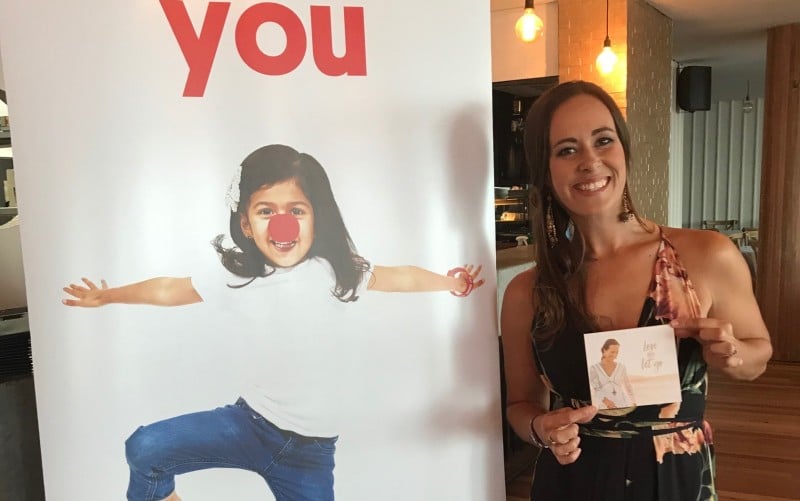
After nearly two years of hard work, singer/songwriter Jenny McGregor officially launched her album for bereaved families, Love and Let Go, in Manly last Friday.

Family, friends and supporters filled North on North Steyne to hear Jenny and her backing band perform a selection of the songs she wrote about her journey after losing her 18-month-old son Jamie.

Described as ‘an album of grief, soul searching and hope’ Love and Let Go is free to bereaved parents, while Jenny will donate all proceeds from sales to Red Nose.

At the launch, Jenny spoke about her journey and thanked all those who helped make the album possible. Bereavement counsellor Orlaith Sheill spoke on behalf of Red Nose. The event was a special night and a wonderful celebration of Jenny’s achievements.

Thanks to Jenny and her partner Ben, Adam and the team from the North on North Steyne, the MC, performers and the attendees for making it a night to remember.

Love and Let Go can be purchased as a CD, USB, or digital download from www.jennymcgregor.com.au/store. Bereaved families can get the album free by contacting Jenny through her website.

Craig Heatley Appointed As New Chair Of Red Nose

Red Nose is pleased to announce Craig Heatley as the new Chair of Red Nose. Craig was elected Chair following the resignation of Graham Henderson, who served for 13 years on the Boards of the Sudden Infant Death Research Foundation (VIC), the National SIDS Council of Australia, SIDS and Kids Ltd and Red Nose.

Craig said he looked forward to guiding Red Nose as it continued to strive to achieve its vision of a future where no child dies suddenly and unexpectedly during pregnancy, infancy or in childhood.

“With nine babies and children still dying each day in Australia suddenly and unexpectedly, it is vital that the Board of Red Nose provides the direction for the organisation that will help us reach our goal of reducing this number to zero,” he said.

“It is also important that we look back at the past and not forget the reasons why our organisation was originally formed, including to support bereaved families and anyone affected by the death of a child.”

Mr Heatley joined the Board in 2012 and has been Deputy Chair since 2013. For almost two decades he has worked for PricewaterhouseCoopers in the USA and Australia and is currently an Assurance Partner based in Perth.

Craig thanked departing Chair Graham Henderson for his many years of commitment and dedication, and the integral role he played in the process of SIDS and Kids moving from a federated organisation into a single entity – a complex process that took many negotiations over more than a 10-year period.

“The merging of the various state member organisations into one combined unified organisation is a significant contribution that will ensure the longevity of Red Nose. As one unified organisation we will be able to continue to offer counselling to bereaved families, educate the public on safe sleeping and safe pregnancy and continue to fund research to find answers as to why babies die.

“I have learned many things from watching Graham chair meetings and I am grateful for his calm and measured insight that has helped steer the organisation to a brighter future. On behalf of the Board I want to sincerely thank him for his 13 years volunteering as a Board Director and Chair and wish him all the best.”

Former SIDS and Kids Board Member Lesley Jones, who introduced Graham to the organisation, said:

“I was lucky enough to start working with Graham in 1987, and after my son Brendan passed away from SIDS in 1988 Graham was extremely patient and caring during Pete’s and my darkest days. Graham was always interested in my voluntary work and the work of the Sudden Infant Death Research Foundation.

“I knew he would be an amazing asset to the organisation and when a position on the Board became vacant, I jumped at the opportunity to offer it to him. I also knew my time on the Board was drawing to an end and I was relieved that Graham would be there to look after the organisation.”

The team at Red Nose look forward to working with Craig in his new capacity as Chair at this exciting time in the organisation’s history.

International Campaign Promotes Side Sleeping To Reduce Stillbirth

Red Nose is supporting an international public health campaign launched today to spread the message to pregnant women that going to sleep on their side in the third trimester reduces the risk of stillbirth.

The launch of the ‘Sleep on Side’ campaign, led by UK charity Tommy’s, coincides with the publication in the British Journal of Obstetrics and Gynaecologists of the fourth research study to find a link between stillbirth and maternal sleep position.

The Midlands and North of England Stillbirth Study looked into 291 pregnancies that ended in stillbirth and 735 women who had a live birth and found women who go to sleep in the supine (lying on the back) position in the third trimester have a 2.3-fold increased risk of late stillbirth (the death of a baby in the womb after 28 weeks of pregnancy) compared with women who go to sleep on their side. That’s a greater increased risk of late stillbirth than the risk caused by smoking (a 1.9-fold increased risk).

Dr Adrienne Gordon, Deputy Chair of Red Nose’s National Scientific Advisory Group, said: “The impact of stillbirth on parents, families and their care providers is devastating. This study confirms findings from three earlier studies in New Zealand and Australia and indicates that many stillbirths could be avoided if all women slept on their sides after 28 weeks.”

In Australia, more than 2,000 babies are stillborn every year. Late stillbirths occur at a rate of one in 340 pregnancies.

The key messages of the ‘Sleep on Side’ campaign, which includes a short video (see below), are:

– Going to sleep on your side in the third trimester more than halves your risk of stillbirth.

– This recommendation includes:

  • going to sleep at night

  • returning to sleep after any night wakenings

  • day time naps

As the going-to-sleep position is the one held longest during the night, women should not be anxious if they wake up on their back, but should roll back onto their side.

Locally, the campaign is being led by the Centre of Research Excellence in Stillbirth and Still Aware and supported by Red Nose, Stillbirth Foundation Australia, and the Australian College of Midwives.

Going-to-sleep position is being further investigated by a team of researchers led by the University of Auckland’s Professor Lesley McCowan and supported by a two-year grant co-funded by Red Nose and New Zealand charity Cure Kids. Areas that need to be investigated include whether right-sided going to sleep position is a risk factor and whether there are groups of women (for example, those who smoke, carry excess weight or have babies who are small) who are at elevated risk.

Marathon Netball Match Raises $10,000 For Red Nose

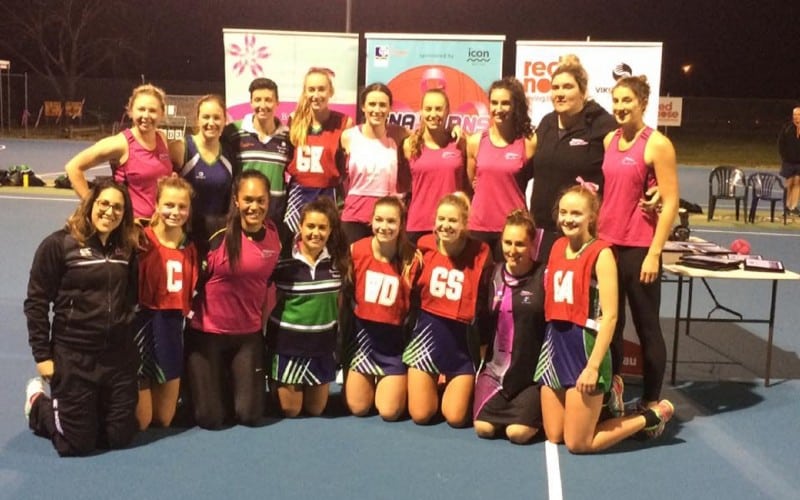
It may have fallen short of claiming a Guinness World Records title, but the marathon netball game held in Canberra last Saturday succeeded in raising $20,000 for charity.

Supported by Tuggeranong Netball Association and the Vikings Group, the match ran from 8am to 6pm and raised $10,000 each for Red Nose and Bosom Buddies ACT.

“It was a great carnival atmosphere with some top quality netball being played throughout the day,” said Lisa Ridgley, Community Fundraising Manager ACT and NSW for Red Nose.

“Thanks so much to our friends at Tuggeranong Netball Association and Vikings Group for their support and for putting on such a great day.”

The Guinness World Records title for players in a netball exhibition match still stands at 1,322.

Call our Grief and Loss 24/7 Support Line 1300 308 307

Call our Safe Sleep Line 1300 998 698

Keep up to date with our work

Name
Select the Newsletter you wish to Sign up to(Required)