

For parents who have lost their first child, they might question their capabilities as parents, requiring support and encouragement to rebuild their confidence. Engaging in open discussions about their fears and anxieties with their doctor, midwife, or child health nurse can be helpful.
For families who have experienced the loss of an unborn baby or child, the emotional impact can extend to subsequent pregnancies, leading to heightened fears and anxieties. They may be worried about facing the same problems again, or they may become more aware of other potential risks like miscarriage, stillbirth, Sudden Unexpected Death in Infancy (SUDI), accidents, or sudden illnesses. Additionally, they may experience fear of being happy, be concerned that they will struggle with the ability to love the next baby or feel guilt that they are replacing a much-loved child.
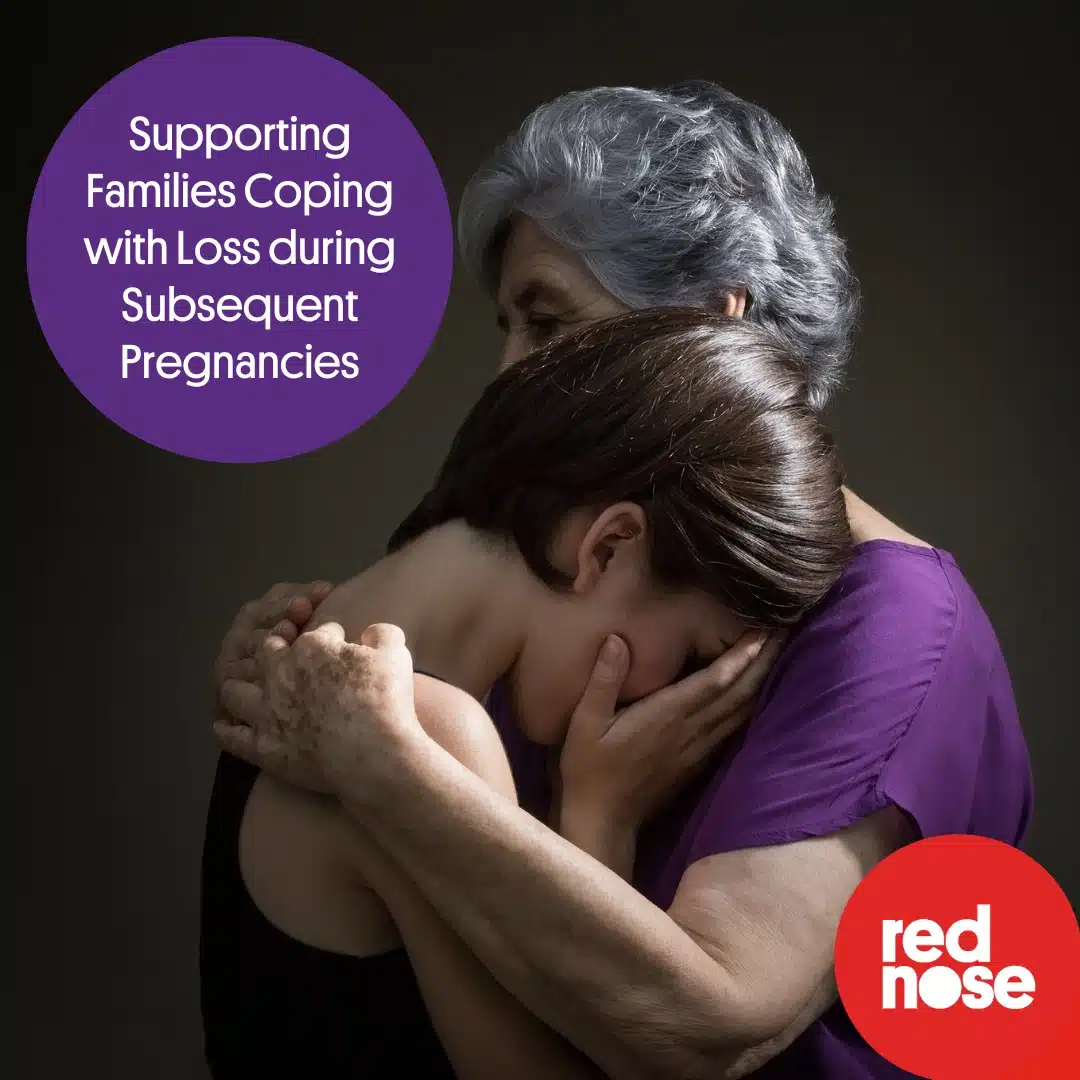
It’s essential to understand that these feelings are normal reactions to having endured overwhelming sorrow. The sense of security and confidence for these families may be significantly affected.
For parents who have lost their first child, they might question their capabilities as parents, requiring support and encouragement to rebuild their confidence. Engaging in open discussions about their fears and anxieties with their doctor, midwife, or child health nurse can be helpful.
To alleviate anxiety, some families may benefit from changes, such as seeking care from different hospitals, doctors, or childcare practices, or undergoing scans and tests to identify potential issues during pregnancy. It’s crucial to encourage these conversations with the doctor to explore suitable options.
Pregnancies following stillbirth or neonatal death can evoke intense emotions and thoughts. Parents might have few memories of their deceased child and grieve for the lost hopes, dreams, and expectations associated with that loss. During the next pregnancy, anxiety may heighten, especially as the new baby reaches the gestational milestones of the previous one. Parents may become more aware of potential complications and may feel uncertain about parenting a living child if they have not experienced it before.
Given the vivid memories of the care they received after the loss of their baby, it is crucial to establish trust with the health professionals providing care during subsequent pregnancies. Encouraging families to seek good support systems and someone with whom they can share their thoughts and feelings can be immensely beneficial during this challenging time.
Red Nose is committed to supporting families navigating the complexities of the loss of a baby or child. To access our specialised bereavement support including: counselling, peer support programs, support groups, and resources tailored to individual needs, click here.

Did you find this helpful?
Good job! Please give your positive feedback
How could we improve this post? Please Help us.