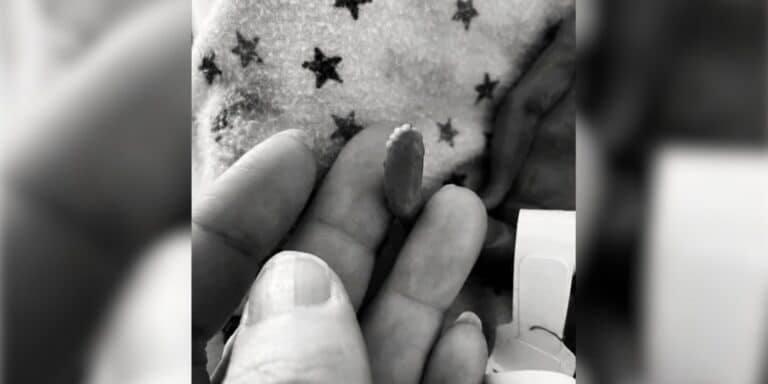
Supporting You from Hospital to Home
Outreach support for families experiencing the death of a baby or infant
For many families, the hardest part of grief begins when you leave the hospital and return home without your baby. The “Hospital to Home” program helps bridge that gap by offering free, tailored support in the early months after loss.
Australia-wide and available to all bereaved parents (stillbirth, neonatal death, termination for medical reasons (TFMR), or sudden unexpected infant death (SUDI)), we walk alongside you in those critical first weeks and months.
What the program offers
With compassion and living experience at its heart, the Hospital to Home program provides personalised bereavement support for parents and families following the death of a baby.
Our program offers flexible support, including face-to-face visits where available, phone or video calls. Interpreters can also be arranged if needed.
Tailored to You
Every family’s experience of loss is unique, and so our support is tailored to meet your individual needs, circumstances, and preferences.
Support is flexible, person-centred, and designed to meet you where you are in your individual grief journey.
Support can include:
- Emotional & grief support: holding space for parents to share their experience, the many feelings that arise with loss, understand their grief, and navigate relationships after their baby has died.
- Continuing Connections: memory-making and support for continuing ways to remember and honour their baby.
- Funeral & memorial guidance: exploring options for memorial services, funerals and ways to honour their baby’s life.
- Practical and transition support: preparing for and/or attending follow-up appointments with parents when receiving medical, genetic or autopsy results. Exploring return-to-work options and accessing entitlements. Exploring self-care, including how social media can be used to help rather than hinder healing at this time.
- Sibling and extended family support: helping parents talk to and support siblings, and offering support to grandparents and other family members, including those living overseas.
Timing and Access:
The Hospital to Home program is a free service available to families across Australia and can be accessed within three months of the death of your baby.
You can refer yourself or a loved one with their permission. Referrals can also be made by hospitals and health professionals with parental consent.
The program supports parents and families following stillbirth, neonatal death, termination for medical reasons (TFMR), or sudden unexpected death in infancy (SUDI).
We are here to provide compassionate and practical support, tailored to your family’s needs, as you navigate your grief in the weeks and months following the death of your baby.
How to Refer:
-
- Self-Referral: If you would like to access support, you can refer yourself through our referral form.
- Referral on Behalf of Parents: If you’re a healthcare professional, you can refer bereaved parents with their consent.