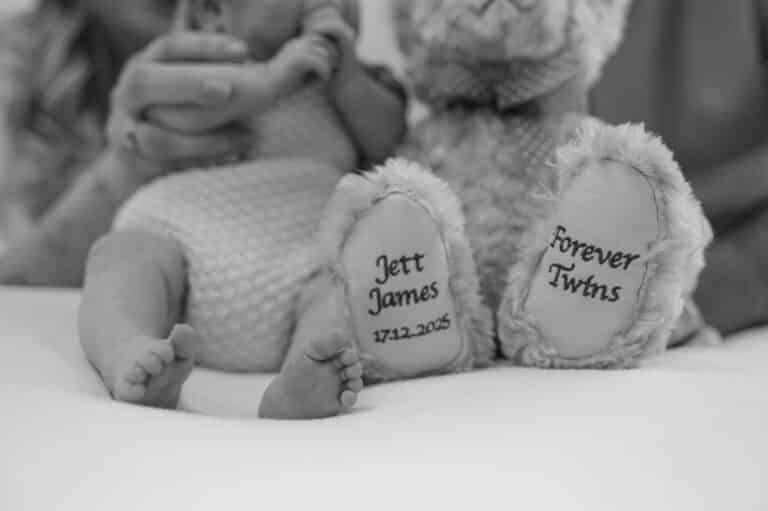


Even if they didn’t know that you were pregnant, children are likely to be aware that their parents are upset, not reacting in their usual way and that something is wrong within the family. It is possible that during this time their normal routine has been disrupted and they have been separated from one or both parents.
Children react to the stress they feel themselves and to what they see happening around them. Young children may become unusually clingy, easily upset and distressed. Older children may be aggressive, disruptive or unusually quiet. These are common grief reactions in children.
Some tips
Following a miscarriage, your feelings of grief, sadness, hurt and confusion may make it difficult for you to provide the comfort and explanations that your children may need. Talking to your children openly about the baby and about how you feel may be helpful. Provide explanations of what has happened appropriate to their age, ability to understand and your family beliefs.
It is better to give simple, short, accurate explanations frequently rather than lengthy talks.
Their questions will help you to understand their specific concerns. Answer openly, even if the answer is “I don’t know”.
If you are concerned about your children’s response to the miscarriage, you could consult a Red Nose Grief and Loss bereavement counsellor and/or read the booklet, What About The Other Kids?
What others who have been before you have said
“I had told my daughter we were to have a new baby, and then I had to tell her that the baby had died. She was so angry and I couldn’t explain it to her properly.”
Red Nose is committed to supporting families navigating the complexities of the loss of a baby or child. To access our specialised bereavement support including: counselling, peer support programs, support groups, and resources tailored to individual needs, click here.
Did you find this helpful?
Good job! Please give your positive feedback
How could we improve this post? Please Help us.