


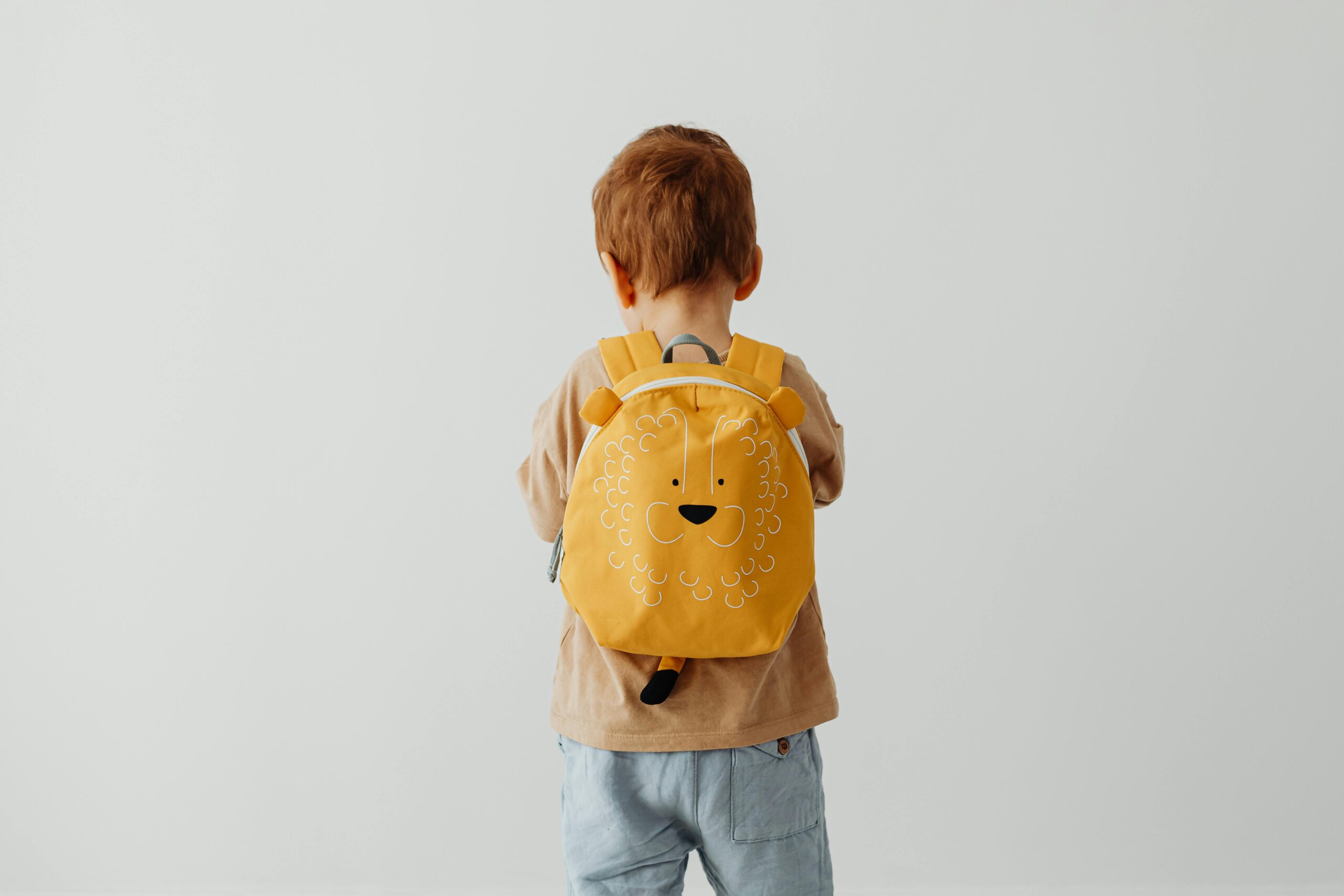
Starting school is a significant milestone for every child and family. There are many firsts: the first pair of school shoes, the first uniform, first readers and new friendships.
For a bereaved sibling and their family, this exciting transition can also be tinged with anxiety, uncertainty and grief. When a child has experienced the death of a baby or child sibling, starting school can raise complex emotional and social challenges for both families and educators.
Starting School for a Bereaved Sibling
Why this transition can feel different for bereaved families
Children who have experienced loss may carry their grief in ways that are not immediately visible. They may talk openly about their sibling, include them in drawings or family stories, or show increased sensitivity during certain times of the year.
Being aware of a child’s lived experience before they start school can help teachers respond with empathy and authenticity, and support the child in sharing their story in ways that feel safe and affirming.
Talking to Teachers About a Child’s Bereavement

Deciding what to share and when
Deciding whether to tell your child’s teacher about the death of their sibling can be distressing. It is a big and deeply personal decision.
Some families ask themselves: What will it mean for my child if I do tell the teacher? What might happen if I don’t?
There is no right or wrong answer. This decision is one that families can make together. Talking with your child about what they would like their teacher to know, and how they would like to tell them, can help build confidence and a sense of control. Supporting children to share their story on their own terms is vital to their identity and emotional wellbeing.
Helping a Bereaved Sibling Share Their Story at School

When children feel supported to talk about their sibling in ways that reflect their family’s language and values, it can reduce feelings of isolation and confusion. Teachers who understand a child’s background are better placed to respond sensitively during classroom discussions, family-focused activities and moments of big emotion.
Tips for Preparing Teachers from Bereaved Parents

Insights from families who have been there before.
From lived experience, some helpful things to share with teachers include:
- Your child’s sibling’s name and where they sit within the family
- The language your family uses when talking about death, for example “she died” rather than “passed away”
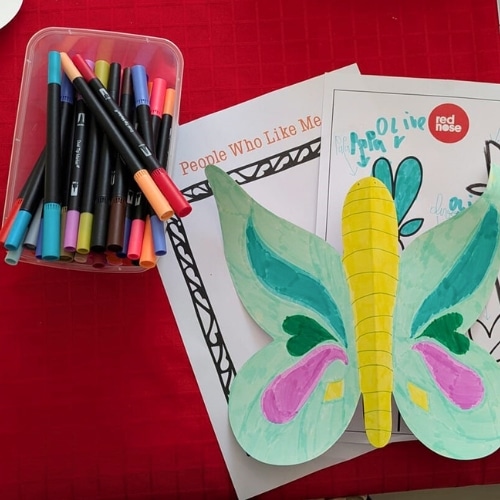
- Symbols that are meaningful to your family, such as butterflies, clouds or rainbows, which may appear in drawings or conversations
- Whether your family encourages open conversation about the sibling, and your hope for this to be supported at school
- Times your child may be more emotionally sensitive, such as around their sibling’s birthday or anniversary
It can be helpful to have these conversations early, ideally in the first week of school, as many classrooms include family sharing activities early in the term. It is also important to revisit this each year, as children will have a new teacher who may not be aware of their story.
It’s important also to do this each year, as the child has a new teacher every year that needs to be told.
How Teachers Can Support Bereaved Students
eachers play a vital role in helping bereaved children feel seen, safe and understood. Awareness of a child’s loss allows educators to respond with empathy, support peer understanding where appropriate, and avoid unintentionally distressing situations.
Bereavement Support for Families and Schools

How Red Nose can help
Red Nose is committed to supporting families navigating the complexities of pregnancy loss, stillbirth, and the death of a baby or child. We support anyone affected by loss, including educators and professionals who care for bereaved children.
Our specialised bereavement support includes counselling, peer support programs, support groups, and resources tailored to individual needs. We also offer bereavement courses and customised training for schools, workplaces and hospitals to help professionals respond with confidence and compassion.

Did you find this helpful?
Good job! Please give your positive feedback
How could we improve this post? Please Help us.