


Parent supporters often ask the question, “What is the difference between our role and that of the Counsellors?”
Anne Giljohann presented a paper in Japan on this topic.1 A portion of her paper is included below.
Whilst there are important differences in the interventions of Parent/Peer Supporters and professional Counsellors, there are similarities.
- Both may provide information and education, one-to-one support, support for families, advocacy with other services and community agencies, a range of support group interventions, development of brochures and literature, and public memorials and ceremonies.
- They may both be involved with bereaved families immediately after the death and over the ensuing months and years.
- Both rely on having good communication skills and good listening skills, both will listen carefully and respectfully to the story and try to get to know about the loved one or child/ren who have died.
- Both will have an awareness of their own values and beliefs and a commitment to being non-judgemental.
- Both will ensure confidentiality is maintained in their contact with bereaved people.
- Both will focus on strengthening the ‘continuing bond’ and assisting people to try to make sense and meaning from this experience.
- And both will have a commitment to supporting bereaved people to find their own ways of learning to live with their grief.
So, superficially it may seem that the roles are interchangeable. However there are important differences which ensure that the intervention is qualitatively different.
The key difference between parent support and professional counselling lies in the different focus taken by each.
With parent supporters the focus is on the similarities in the experience of the newly bereaved and Parent/Peer Supporter — on ‘the shared experience’. The reason for meeting with a parent supporter is because they have had a similar experience. They can honestly say “I know”.
Newly bereaved people can take great comfort from others who have the ‘lived experience’, who have learned to live with their loss and their grief — although they may be very different people. So here the focus is on the grief experience itself.
There is a Different Beginning Point for Bereavement Counsellors
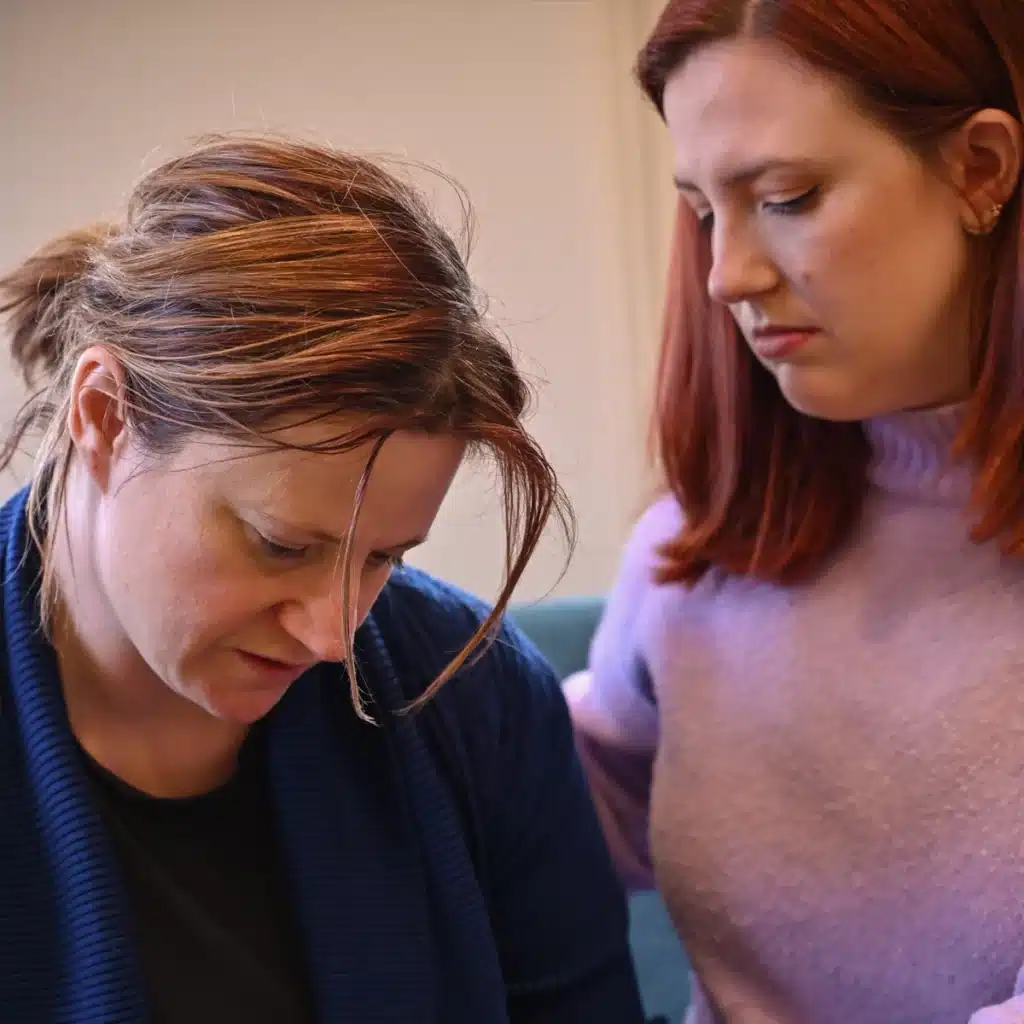
The Counsellor’s focus will be on the uniqueness of the bereaved person’s experience, and he/she may help them to understand what this grief and bereavement means for them as an individual or as a family.
The Counsellor will not be able to say “I know” as can a Peer Supporter, but they will say “Can you tell me all about it and can you tell me something about yourself, so that I can try to understand what this great loss means to you.”
Thus it has a different focus to peer support, not negating or replacing peer support. It is different, but complementary.
An Example:
A recently bereaved parent says “I feel as though I’m going crazy.”
- The parent supporter may respond “I know what you mean, I felt like that too. But you’re not.”
- The counsellor might say “Grief sometimes makes people feel like that. You’re not going crazy, it is part of your grief.”
So the message is the same, but the way of getting there is different.
Sometimes it may help people to meet with people who have experienced a similar loss, to see the commonalities and sometimes it may help people to focus on the uniqueness of their experience.
Some Ways Peer Supporters Help
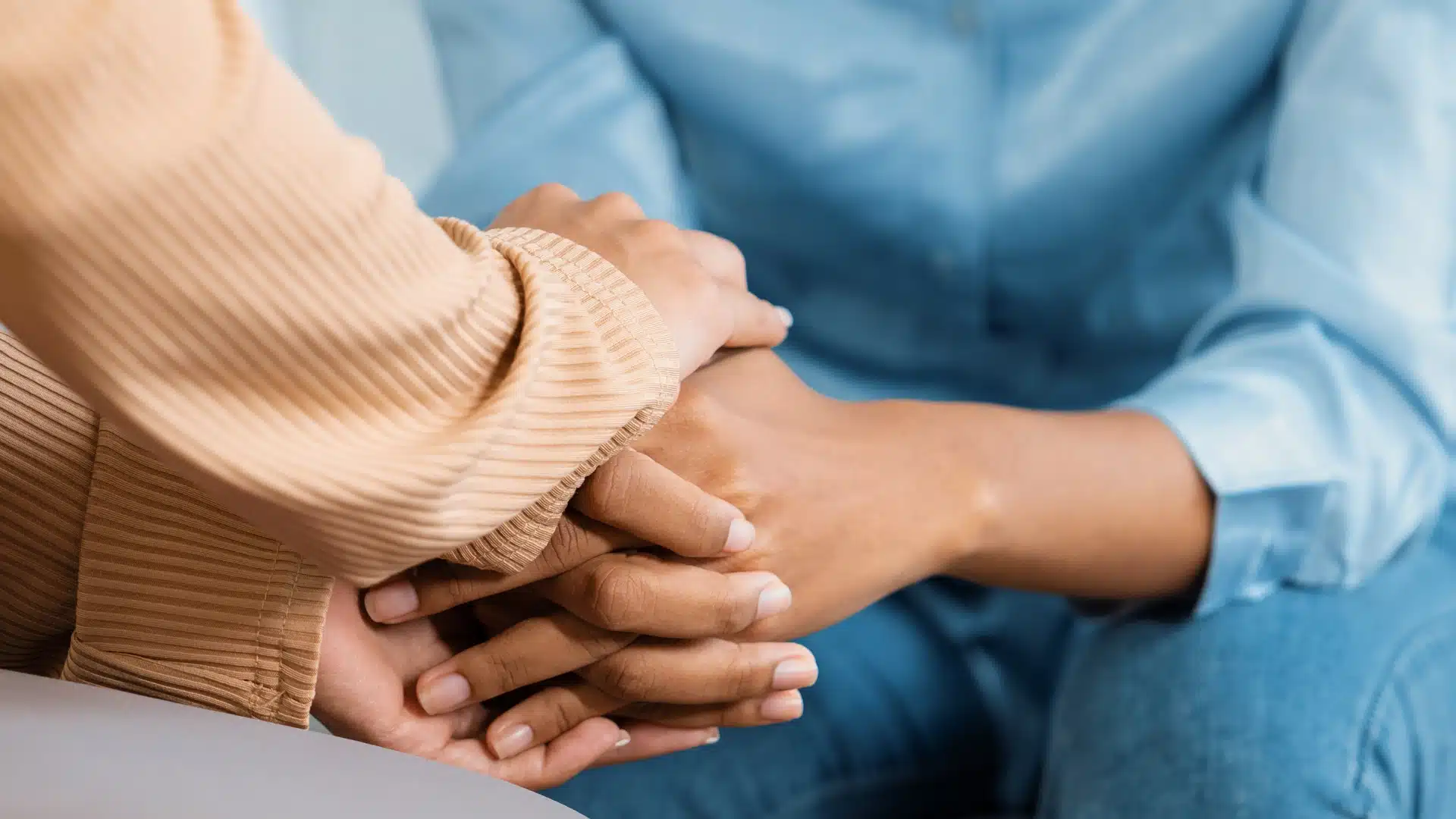
- By providing hope, acceptance, real understanding, empathy and freedom to express strange ideas that might be unacceptable to family and friends. Seeing someone else who has learned to live with their grief gives hope that it is possible to survive and live again.
- Peer supporters help to maintain and strengthen the parents’ continuing bond with their dead child/ren as repeated discussion about the child/ren is allowed and encouraged.
- By providing information, education and sharing of strategies parent supporters have specialised knowledge which normalises grief experiences and gives guidance, for example about anniversaries and how to cope with special days.
- Contact with Peer Supporters reduces the sense of isolation, the sense of being the only one to experience this tragedy, leading to a shift from seeing oneself as a victim to being a survivor.
- Being involved with Peer Supporters extends the natural social network. Close and supportive relationships with peers can prevent excessive strain being placed on family and friends, many of whom may have their own grief to deal with and may feel unable to give adequate support.
- Involvement with Peer Supporters gives a sense of belonging to a community, albeit reluctantly, which gives a sense of security, safety and acceptance, where it is safe to express real feelings.
Help From Professional Bereavement Counsellors
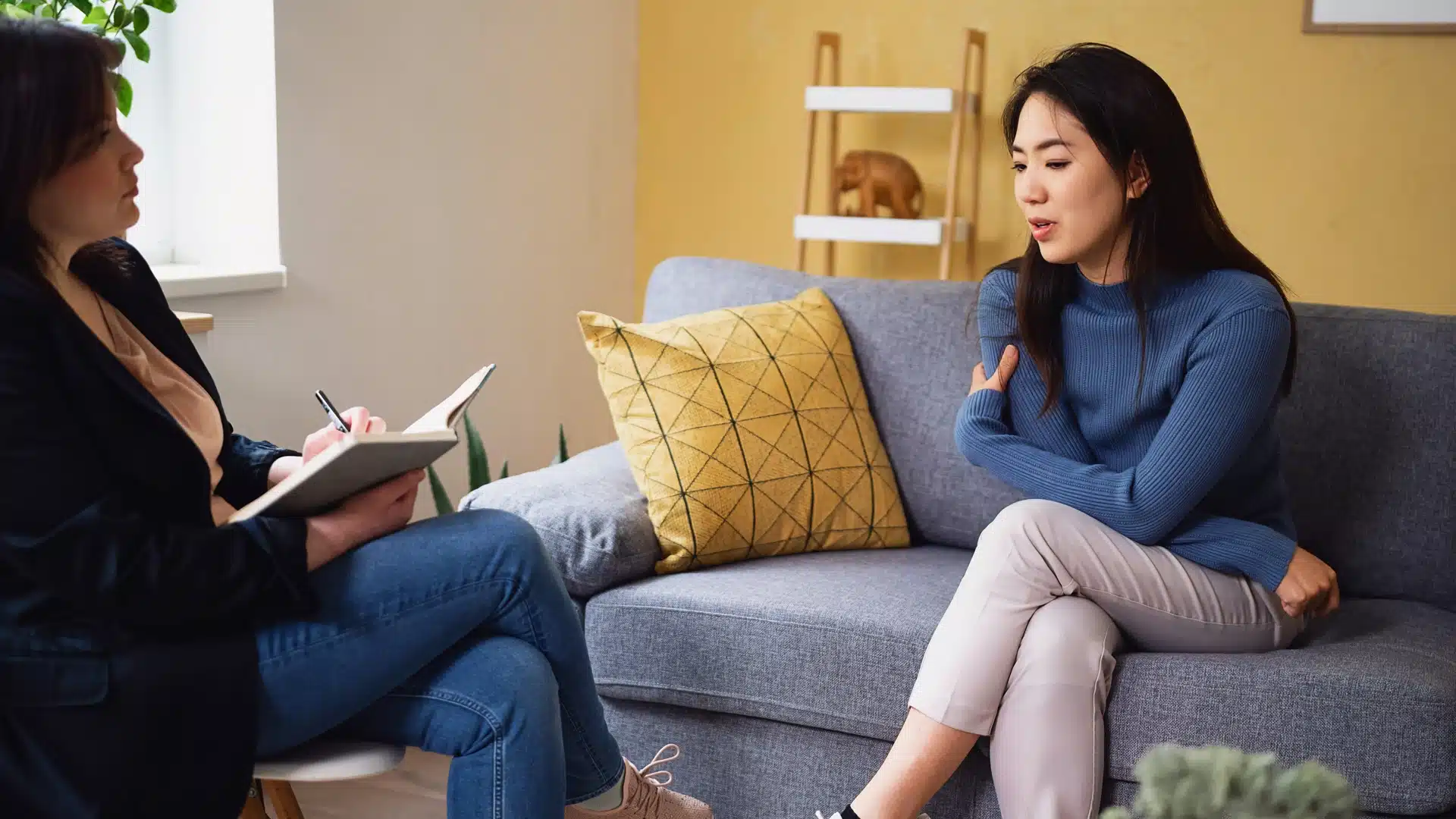
Some Features of Professional Help:
- Sometimes bereaved people say they cannot deal with their own grief and hearing or knowing about the grief of others is too confronting. They prefer to speak with a Counsellor, as they do not feel they need to worry about the impact of their words and stories.
- Counsellors seldom bring their own experiences of grief into counselling sessions. They draw on objective knowledge.
- There is a role for an ‘expert helper’ who can hear and discuss things as an independent and knowledgeable helper without the constraints of the pre-existing relationships of family and friends.
- A small number of families have serious pre-existing problems in social functioning and may require referral to other support services for issues such as marriage and relationship counselling, difficulties in parenting, domestic violence and others.
- Occasionally others develop serious difficulties in their grief, requiring a professional risk assessment. It is unreasonable to expect peer supporters to deal with serious problems including the risk of suicide and possibly even homicide. Counsellors are able to do this.
- Professional Counsellors provide a safe, confidential environment where a trusting relationship can form. They focus on the story – who the person was, what happened, the impact on their life, and what this person meant to the grieving person. They focus on getting to know the griever; their life and background, their family and previous losses and they provide the opportunity to discuss the ‘big’ questions, such as the challenges to spiritual and philosophical beliefs.
- Professionals can try to find ways to strengthen the effectiveness of the natural social support network (family and friends), through providing information and education.
- Professionals can recruit and train Peer Supporters and can give careful briefing, supervision and support to Peer Supporters in their involvement with bereaved families.
- Professionals can work in close partnership with Peer Supporters to design programs and interventions that will be informed by both experiential and professional knowledge, ensuring that there are opportunities for bereaved people to take on a ‘helping’ role, thereby helping others and themselves.
1 Giljohann, A. (2006). Differences in Help from Peer Supporters and Professional Counsellors following Bereavement. Unpublished paper presented at the SIDS International Conference (9th: 2006: Yokohama, Japan).
Red Nose is committed to supporting families navigating the complexities of the loss of a baby or child. To access our specialised bereavement support including: counselling, peer support programs, support groups, and resources tailored to individual needs, click here.
Did you find this helpful?
Good job! Please give your positive feedback
How could we improve this post? Please Help us.