Lorraine’s Advice: Choosing The Safer Product For Baby

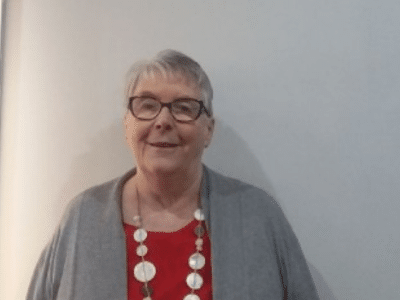
Senior Red Nose Educator and Midwife Lorraine tell us about her role at Red Nose, answers a common question about child safety, and how to choose the safer product for your baby.

What’s your role at Red Nose?

My role at Red Nose is Red Nose Educator. I work in the Advice Hub providing information and advice for parents and carers, I answer questions via our Safe Sleep Advice Line. I also train early childhood educators and health professionals in safe sleeping, and also how to support families when the unthinkable happens.

What’s your background?

I’m a nurse and midwife. I’ve worked at Red Nose for over 15 years, and before that I worked as an emergency nurse here in New South Wales.

What does a typical day look like in your role?

There is no typical day at Red Nose! Each day is quite different, as we’re responding to the various calls and questions from parents and carers.

I spend most days speaking to parents on the phone, answering their questions via email.

Some of the questions are straightforward, and then others require more reassurance and support. Some parents are really struggling and anxious. They need reassurance that they’re doing the right thing. During the height of the pandemic, we saw a 30% increase in the number of questions with parents’ anxiety being much higher than normal.

It’s only natural to feel like this, and we will help you in any we can. Everyone in the team is a parent themselves, so we all understand what you’re going through and we’re here to help.

What is the Safe Sleep Advice Line and what sort of questions do people ask?

The Red Nose Safe Sleep Advice is a free service for parents, grandparents, carers and anyone who has questions about safe sleeping and infant and child safety.

The national phone line is manned during business hours by trained Red Nose Educators who answer questions about everything from how to set up a safe nursery, room temperature, swaddling, bassinettes and cots, using blankets, room sharing, product safety – and everything in between.

We also now provide information and advice about safer pregnancy and ways for women to reduce their risk of stillbirth – we know that not all stillbirths are preventable, but there are things women can do to reduce their risk.

You can call us on 1300 998 698 (during business hours AEST) or email education@rednose.org.au

What’s the most common question you get from parents?

By far and away, the most common question we receive from parents is “what do I do now that my baby is rolling and they want to sleep on their tummy instead of their back?”

I think this is a really great question, because it shows that parents are really hearing the message about how important it is for baby to always be placed on their back to sleep.

So what is the answer – what happens once baby can roll?

Most babies begin to show signs of rolling from about 4 months of age, some earlier and some later.

The safest way for baby to sleep is on their back, so we always recommend that you place baby on their back when you put them sleep – this makes sure baby’s airway is kept clear so they don’t accidentally suffocate or choke. But not all babies like sleeping on their back.

Once baby can roll themselves over and back without assistance, it is okay to let them find their own natural sleeping position. We recommend still placing them to sleep on their back, and then letting them settle in their own way. But, it’s important to still do regular checks to make sure they are staying safe and sleeping soundly.

This can be a stressful time for parents, so I really recommend calling us on the Safe Sleep Advice Line and we can go through some strategies together for keeping baby safe.

What advice do you have for parents in selecting the safest products for their baby?

Most parents only want to do what’s best and safest for their children. There is a lot of information out there, but not all of it is safe.

It’s important to remember that babies’ needs are fairly simple. It’s easy to become overwhelmed by the number of products on the market, and many feel pressured to buy all of them.

We recommend that you think about your baby’s needs first – and remember that there is no evidence that a specific baby care product can reduce or eliminate the risk of sudden infant death or SIDS.

The best way to keep a baby safe is to follow our six safe sleep recommendations, which are the result of over 40 years of research.

When you’re buying a product for baby, we want you to make the best-informed decision based on evidence of product safety. You can call us and ask questions about the product you are intending to buy.

It’s often assumed that all nursery products sold in Australia must be safe, however we know that many products have never been formally tested, and some don’t have to follow mandatory safety standards.

They often attract parents with the promise of making sleeping, teething or carrying easier. But without safety regulations or proper use guidelines, they could cause a serious incident.

But don’t be overly scared. There are many good products available, and we can help you know what to look for and what to avoid.

Lorraine’s tips for what to think about when you’re looking at buying a product

  • Is the product I am thinking of buying/using safe for my baby especially during sleep?
  • Does the product follow Red Nose safe sleep recommendations?
  • Does this product allow my baby to sleep on their back, on a flat surface, with their head and face uncovered?
  • What are the potential benefits of using this product and what are the potential hazards?
  • Am I using the product in the correct way?
  • What is my baby/infant doing in this product, and does this create any potential hazards?
  • Has my baby reached the appropriate developmental milestone suitable for the product?

What do you like best about working at Red Nose?

The favourite part of my job at Red Nose is seeing families develop more confidence with their baby – the “ahaa – now I get it” is very rewarding.

What are your hobbies outside of work?

My nine grandchildren keep me very busy!

Safe Sleep Advice Hub

Call 1300 998 698 (during business hours) or email education@rednose.org.au
Michele’s Story

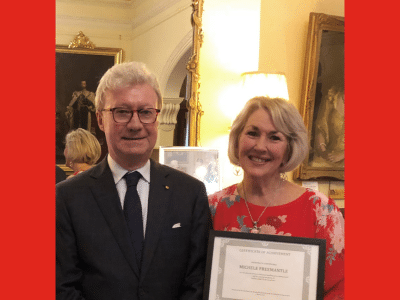
There are many dedicated staff, volunteers and supporters who together make the work of Red Nose possible. This is Michele’s story.

I have been supporting families who have experienced the death of their beautiful child for almost 50 years since having my own beloved son Todd, die suddenly and unexpectedly from SIDS in July 1977.

Todd Matthew Freemantle was our firstborn child and only son. He was absolutely perfect – handsome just like his Dad, and loved food just like his Mum!

Todd was with us for just 45 days, during which he brought joy to our entire family. We loved every moment with him – his smiles, his gurgling noises, singing to him in the bath and watching his little face light up when he heard our voices.

Todd dying suddenly and unexpectedly (despite being a perfectly healthy baby) was devastatingly heartbreaking and incredibly isolating. Very little was known about SIDS at that time, and I can still vividly remember the police officers coming to our home to collect his bedding to investigate his sudden death, and subsequently experiencing young social workers visit us to hastily drop off pamphlets on grief. It was incomprehensible to us that authorities could think we had anything to do with the death of our beautiful boy. It was never explained to us that this was a matter of law. We saw it as being considered responsible for his death.

We felt abandoned by many of our friends, some family and the general community. Nobody knew what to do to help us, and I was made to feel like an incompetent and incapable mother. I felt very alone.

The year following Todd’s death, in 1978, I was relieved (and incredibly anxious) to become pregnant with our second child, Brooke. Our rainbow baby. During this pregnancy, I was so fortunate to have an opportune meeting with Vilma Ward (another pioneer of SIDS research and fundraising in Queensland), so I decided it was time to put an action in place to create a shared vision.

Queensland Sudden Infant Death Research Foundation

I established the Queensland Sudden Infant Death Research Foundation with the tremendous help and support of Vilma and others in the Queensland community, to find the reasons why Todd, and so many other precious babies were dying suddenly and unexpectedly. This organisation would later go on to merge with other similar like-minded States in Australia to become Red Nose.

There have been many challenges in my 42 years of working as a volunteer with SIDS. In the early days, getting myself out of bed was a challenge enough. On other days it was fighting wholeheartedly the many misconceptions surrounding Sudden Infant Death, to provide factual information to the general public, whilst advocating for parents and babies across Australia to help ensure that hopefully, no other child had to die, and their families and friends feel forgotten and ignored.

I found immense comfort in helping others, knowing they would not have to feel the judgement, isolation and hopelessness my husband Morrie and I felt when Todd died.

In the decades since Todd’s death, I’ve remembered and thought of him every single day. It’s easy. Because he was here.

I’ve always encouraged other bereaved parents to speak their child’s name openly with love. Our Todd is always in our hearts and minds, and always will be. That’s where he now lives.

For any parent who has been through this, I plead to you, please be kind to yourself. You are not alone. Ask and reach out for help, and please grieve in your own way.

Talk about your gorgeous child to keep them with you, and surround yourself with supportive people who allow you to proceed through your journey without judgement, nor have any time constraints on when “you’re over it”. You will never be “over it”. Fact.

Our beautiful community is full of people who understand your experience firsthand regarding the complexities of dealing with the devastating death of your adored child or are moved to help in any way they can. Most times people don’t know what to do to “help”. Just ask. Reach out and you will be supported for as little or as long as you need. There’s no expiry date.

Thanking those who supported me

I am honoured to have had the opportunity to share the impact of Todd’s sudden and unexpected death with you all, and how it changed my life. I was able to keep his memory alive by reaching out to others who were in their darkest time.

My family and other close friends all became champions of my vision.

My beautiful husband Morrie, who was with me every step of the way.

Our 2 incredible daughters, Brooke and Shae, who lovingly sacrificed much of their childhood knowing their mother was leaving their family home to help other families in turmoil at all hours of the day and night.

My Todd’s loving Nan, my beautiful Mum Keanie, who was caring for him when he died, and had to face the worst nightmare of her life by telling her daughter that her precious and adored son had died.

My incredible sister Jan, who patiently nurtured me through my horrific experience.

I thank you all for supporting me with unconditional love.

I hope Todd would be proud to see how his short time on earth so inspired his Mum to try to make a difference in the lives of others impacted by Child Death.

He was my everything. And I’m incredibly proud to be his Mum. Xx

As always, my message is to be kind to yourself.

Red Nose Grief and Loss services are here for anyone affected by the death of a baby or child. Call our 24/7 Support Line on 1300 308 307 or visit our Support Resource Library at rednosegriefandloss.org.au

Red Nose Volunteer Nominated For A Lifetime Of Work

Our thousands of wonderful volunteers contribute so much to Red Nose. They give their precious time and their talents to support Aussie families. In recognition of International Volunteer Day, we honour their work.

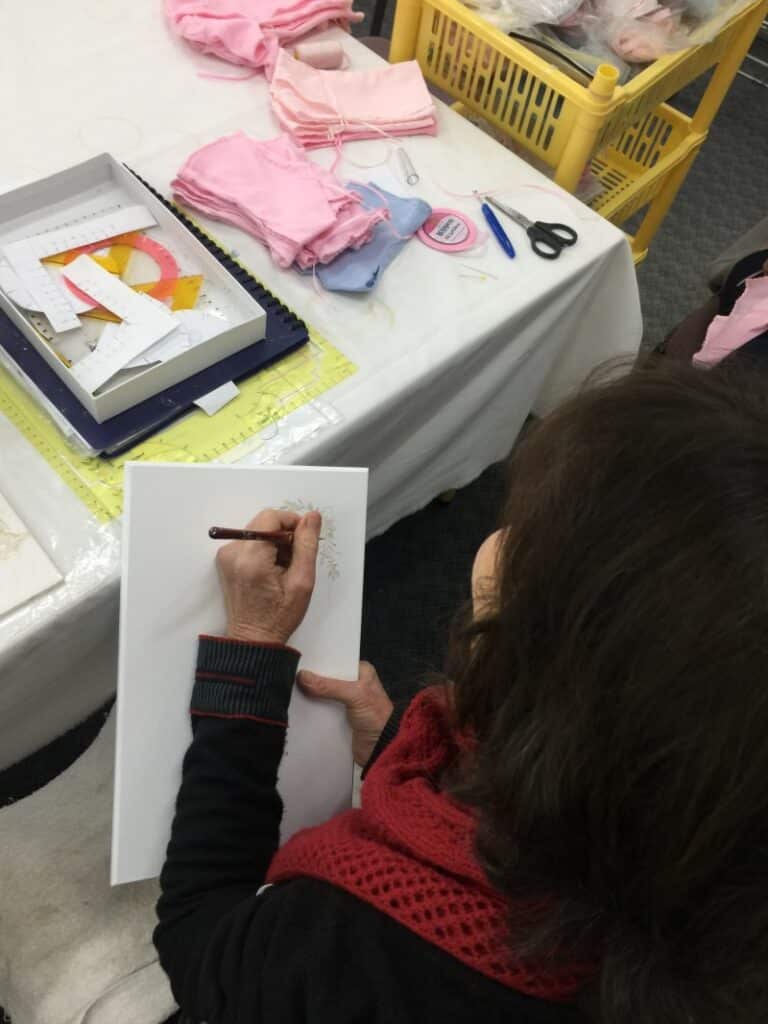
Our volunteers are people like Cindy Furby, who has been with Red Nose for 17 years co-ordinating the Treasured Babies Program, that supports recently bereaved families throughout Australia by providing lovingly handmade clothing packs, memory boxes and coffins for babies who have died during pregnancy, labour or birth.

Cindy’s work has even been recognised by the Victorian Government, receiving a nomination in the Outstanding Achievement by a Volunteer: Lifetime Achievement Award category in the Victorian Minister for Health Volunteer Awards for her vital work.

Cindy said the work done by the dedicated Treasured Babies team has been supported by the members of the Croydon Mens’ Shed. Both groups of equally committed volunteers help families say goodbye at the worst possible time in their lives.

“It helps families grieving a devastating loss, and helps families to not have the extra stress of searching for a garment to dress their baby in,” she says.

Red Nose Australia CEO Keren Ludski said Cindy’s nomination shows the remarkable impact volunteers have on a bereaved community.

“The compassion and love shown by Cindy makes a huge difference to a family at the worst time of their lives.

“Being able to give newly bereaved parents the opportunity to choose what their baby wears can be empowering at a time when they have very little control over their situation.”

“Red Nose is very grateful to Cindy and her band of volunteers. We are especially thrilled for Cindy’s nomination, and to have the work of this very important program recognised.

“This is a wonderful opportunity to thank and recognise the contribution of all our volunteers across the country, especially during National Volunteer Week.”

Find out more about the Treasured Babies program here.

Red Nose offers free bereavement support services to anybody impacted by the loss of a child. Call our 24/7 hotline on 1300 308 307 or visit our Grief and Loss website for more information.

Red Nose Names Bonds As Its Preferred Partner For Baby Clothing

Red Nose is pleased to officially name Bonds as its Preferred Partner for baby clothing and infant sleep wear.

Red Nose Australia CEO Keren Ludski said she is thrilled to welcome Bonds as an official partner

“As an official Preferred Partner of Red Nose, Bonds will provide vital support for our organisation so we can continue to deliver lifesaving safe sleep messages to all Australian parents and carers,” said Ms Ludski.

The partnership announcement comes as Bonds launches its new Wondercool Baby Range, which is the only baby clothing approved by Red Nose for safer sleep.

Red Nose and Bonds have worked together to develop the product range and all products have been reviewed by the Red Nose team of safe sleep experts to ensure the products meet Red Nose guidelines for safer sleep.

“Knowing that all Bonds Wondercool products are approved by Red Nose for safer sleep will give parents confidence and peace of mind when choosing clothes and sleep wear for their baby,” said Ms Ludski.

“This important partnership will help keep babies safe and provide parents with practical ways to reduce the risk of sudden infant death which still happens all too often in Australia,” said Ms Ludski.

“Our safe sleep education program has so far resulted in an 85 per cent reduction in sudden infant death in Australia, but there is still more work to do – and partnering with Bonds, a brand trusted by so many Australian parents, helps us to continue this lifesaving work.”

Bonds’ Head of Marketing, Kelly McBride, said “We are proud to be the only Red Nose approved range of baby clothing with the launch of ‘Wondercool’ an elevation of our much loved Zip Wondersuit.

“Wondercool uses a new technology that assists in temperature regulation for bubs. A great choice for parents and hopefully, more sleep themselves,” said Ms McBride.

Visit our Safe Sleep Advice Hub for all the latest evidence-based advice to help keep your baby safe.

National Stillbirth Campaign

Media Release

Red Nose Australia welcomes the Federal Government’s announcement today that it has awarded significant new funding to Red Nose and its partners to launch a national stillbirth awareness campaign.

Red Nose Australia CEO Keren Ludski said Red Nose and its partners are thrilled to receive this funding to launch a national health promotion campaign focused on building awareness of stillbirth and appropriate risk prevention strategies.

“Six babies are stillborn every day in Australia – or 2,107 each year – and little progress has been made in reducing stillbirth rates over the last 20 years,” Ms Ludski said.

“This funding will enable Red Nose and its partners to reduce the stigma surrounding stillbirth and help reduce the unacceptably high rates in Australia,” she said.

“Our goal is reduce stillbirth by 20% over the next three years – which would represent around 600 little lives saved and their families spared the heartache of losing their child before they have even had the chance to take their first breath,” Ms Ludski said.

“Red Nose has long been known for its work to reduce infant deaths, having successfully reduced SIDS in Australian by 85% through its ‘Back to Sleep’ campaign.”

“With this new campaign, we aim to replicate the success of the ‘Back to Sleep’ program and empower families and the community with the tools to help keep more babies safe during pregnancy.”

The campaign will be led by Red Nose in partnership with SANDS Australia, Stillbirth Foundation, Stillbirth CRE, University of Newcastle, and Community Hubs Australia.

SANDS Australia CEO Jackie Mead said she is delighted to partner with Red Nose and others on this important campaign.

“The new campaign recognises the profound impact that stillbirth has on families and we are pleased that the experiences of bereaved parents will be used to help develop health promotion messages,” Ms Mead said.

“We hope the campaign will help dispel the myths that are shared during pregnancy and provide evidence-based advice to parents in ways to reduce their risk,” she said.

Ms Ludski said Red Nose is also very pleased to be partnering with Community Hubs Australia, developing a program to deliver information to migrant women aimed at reducing the risk of stillbirth during pregnancy. Community Hubs Australia have an incredible network across Australia, empowering migrant women within our community.

Red Nose will also partner with the University of Newcastle through SMS for Dads, recognising the important role fathers play during pregnancy and their capacity to provide real support and advice for their partners.

Ms Ludski thanked the Health Minister for his support and the announcement today.

“We commend the Health Minister for recognising that stillbirth is a national issue and for committing significant new funding to help reduce stillbirth rates,” she said.

The health promotion campaign will be rolled out from early next year and will target women and men across Australia with the goal to reduce stillbirth by 20 per cent over three years.


Media contact

For interviews contact:Fiona Jordan

Mobile: 0402 846 867

Email: marketingrequests@rednose.org.au


Vtech Back On Board For Another Three Years

Red Nose is pleased to be partnering with VTech for another three years.

The electronic manufacturing services provider is the world’s largest manufacturer of cordless phones, baby monitors and electronics.

Red Nose has partnered with VTech since 2015. In that time, VTech has provided a total of $185,000 in funding to Red Nose Australia to support vital safe sleeping education, research and bereavement support services. The funds are donated from a percentage of VTech product sales.

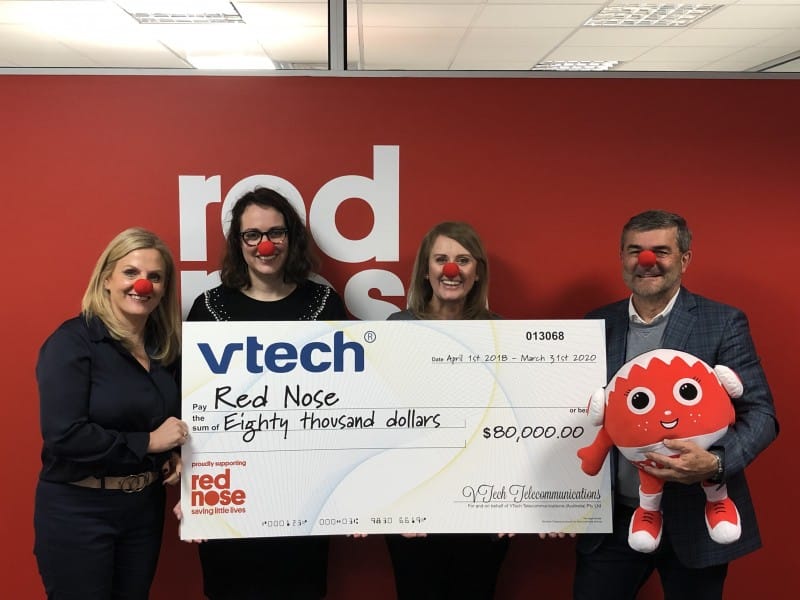
Last month, VTech Managing Director Mark Franklin visited Red Nose Australia, presenting CEO Keren Ludski; General Manager Fundraising & Marketing Amy Johnston; and National Partnerships Manager Lisa Box, with a cheque for $80,000.

“Our partners are integral to supporting the work we do, and we can’t thank VTech enough for their support,” Ms Ludski said.

“VTech is a company that is committed to raising awareness and education about safe sleeping in the community, and we look forward to the next three years.”

VTech Managing Director Mark Franklin said: “VTech is very proud to be able to support such a worthy and deserving organisation that provides new and expectant parents with safe sleep education and counselling for bereaved families.

“The fact that our funds directly help support these programs is amazing and we are so happy to be part of the Red Nose family.

“We have long recognised the importance of safe sleeping practices and design and develop every one of our baby monitor products with this in mind.

“We have a responsibility to ensure that at the very minimum our products deliver the highest standard across compliance, regulatory and usability.”

To celebrate this announcement, Red Nose Australia is giving away two VTech Full Colour Video & Audio Monitors valued at $150 each. To be in the running, like and share the VTech post appearing on our Facebook (facebook.com/RedNoseAust) page and Instagram page (@rednoseaustralia) by midnight AEDT Friday 20 September 2019.

Full terms and conditions are available here.

Supporter Spotlight Brendan Tohill

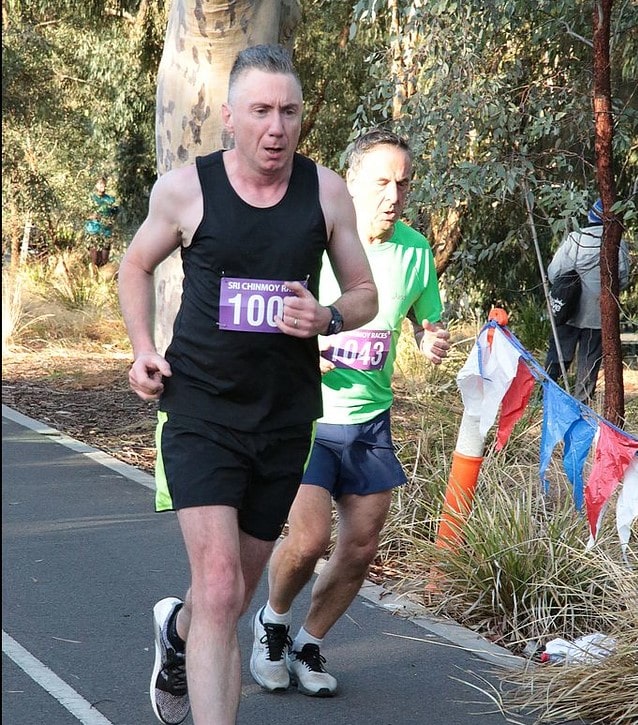
After years as an elite junior runner for Victoria, VANA CEO Brendan Tohill was coached by and trained alongside some of Australia’s greats. After a 29 break due to injury, and then work and family commitments, he made a New Year’s Resolution at the start of 2018 to run the New York marathon. He has this year turned his attention to the Melbourne Marathon, raising funds for Red Nose Australia along the way.

“I love running. I was an elite junior back in the 1980s and 1990s. I ran 4.04 for 1500m; 9.09 for 3km; and 15.49 for 5km – and ran for St Stephens Harriers and for Victoria where I was coached by Olympian Rick Mitchell, and also the late Norm Osborne (OAM) and later with Rex Barrand.

“This was from the period 1983 to 1990. Unfortunately injuries and social life and later career took precedence. I still remain great friends today with Steve Moneghetti, Lee Troop and current Australian Marathon Olympian Liam Adams.

“I had 29 year break (with career and family) and returned to running January 1 2018 as a part of a New Years resolution of running and completing the New York City Marathon.

“In 10 months I lost 28 kilos and managed to complete the race, in what can only be described as a real ‘life moment’ behind family highlights. 1.5 million people cheer you on and the New Yorkers just love the event, it’s what they do!

My inspiration for fundraising for Red Nose

“Being a Dad to 2 boys (Will,12, and Ben, 8) you never take good health or good luck for granted. I am lucky I have a healthy wife and boys .

“Ben was fairly unwell in his first few days of being born and I was absolutely traumatised as to the thoughts you have when confronted with critically ill children.

“Red Nose Australia is incredibly powerful in assisting would-be parents and new parents deal with challenges that life throws up. The grief and loss support Red Nose provides is completely amazing and much needed.

“Nothing is more powerful than the safety education and communication as to what do and when, and how that can save a child’s life. Nine babies in Australia die every day and that’s nine too many.”

Prepare for the Melbourne Marathon

“The Melbourne Marathon is 42.2 km, and I am running between 85km – 100km per week in training for Red Nose. This is in order to run a personal best and maybe even crack 4 hours at 51 years of age!

“Most of my training runs are by myself due to work and family commitments. You will see me training on a Tuesday night at Albert Park Lake, Thursday Night at the Botanical Gardens Tan track, and the other days up and down Beach Road near my home.

“Running a marathon is not to be under-estimated. 42.2 km is a very long way and is a battle of mind and of body. My expectations running into the MCG is to run a personal best and be in the top 50 place-getters in my age group.

“Your willingness to compete must be exceeded by your willingness to prepare and train – no if, buts, or maybes.”

“If you want to run, run a mile. If you want to experience a different life, run a marathon.”

(Emil Zatopek, winner 5,000, 10,000 and the marathon – 1952 Helsinki Olympic Games)

Donate to support Brendan and Red Nose here.

In The Beginning – The Firtzgerald Family’s Amazing impact on what Red Nose is today.

Almost fifty years ago, an organisation was founded in Victoria by parents Kevin and Kaarene Fitzgerald — just one day after their son, Glenn, tragically died from SIDS.

Their family’s tragic story is a story of beginning, and the organisation now known as Red Nose would be very different without their contribution.

Glenn’s father, Kevin, recounts the early days of the organisation, and shares his advice on what he would say to other families who are grieving.

“When we found Glenn in his cot, we tried everything. I did mouth to mouth, trying to get anything to happen, but there was nothing there.

“It’s just the most terrible feeling when you have a baby who, last night you cuddled and today he’s just a rag doll. It’s just awful.

“At the Royal Children’s Hospital, we just wanted to know why this happened. And it was something that no one could tell us why. So, we started saying we have to do something about it. We have to know. If this happens to other people, then it’s just terrible because there’s no support, nothing.

“The doctor at the Children’s Hospital suggested we do something like start a foundation. We knew we had to raise money to fund research and get support for people. So on that day, the day after Glenn died, we started the foundation.

Kaarene was the dominant force. She really carried it. She was a natural leader, at the time, she didn’t know it, although I did. She would hold the fort while I was at work, and when I got home, I’d take over. In the beginning, we just fumbled our way through it.

“It was a tough gig, but we knew we were helping people. With each passing day, we got tougher, and eventually, we were surrounded by others who had also gone through this terrible nightmare. We all pulled together.

It gave us purpose when we were without purpose. And made both of us believe that Glenn didn’t die in vain.

“There wasn’t any support for families, or anyone to talk to. I remember doing a radio interview, and the presenter asked, what can people do? Who can they call?

“At the time, the only phone number available was our home number. So I said, ‘you can talk to Kaarene and me. And the phone just started to ring. It would ring from 8am to 8pm. We’d stop for a quick dinner, and then keep going.

“We realised it helped people to feel less alone. We’d listen, and encourage them, and help them with ways to remember their baby.

“What would I say to families today? I’d say that you just have to survive. For me, I was helped by a community that put their arms around everyone else. We were all in the same boat.

“Today, you need to know you are not alone. It’s not easy to keep going forward after a loss, but you still have a life to live. You have to find the positives, and be there for your other kids if you have them.

“Parents, especially mothers, need to know that this isn’t their fault, and it isn’t their baby’s’ fault. It just happened. Have faith that you can carry on, and if you need support, the support is there.

“Now, there are experienced people that you can talk to at Red Nose, with their qualified counsellors.

In the early days, people didn’t want to talk about their baby dying.

“One thing I’m especially proud of is that through research we were able to identify the six safe sleeping guidelines, which led to the Back to Sleep campaign [the national public health campaign that has helped reduce SIDS by 80% since 1989].

“Today, I’d like to see every parent get given the safe sleeping guidelines in the labour ward. I don’t want to scare people, but it’s a bit like putting a seatbelt on. We know we won’t have an accident, but we put our seatbelt on anyway. Knowing the safe sleeping guidelines is a bit like that. It gives you the awareness to know what could happen.

Red Nose Grief & Loss 24/7 Support Line 1300 308 307

Using A Dummy Safely

Evidence suggests that using a dummy consistently is associated with a reduced risk of SIDS. Here’s what you need to know about using a dummy safely.

While the protective mechanisms aren’t yet fully understood, Red Nose Chief Midwife Jane Wiggill shares evidence-based advice to help you use a dummy safely.

Using a dummy consistently

Offer the dummy to your baby for every sleep period; consistency matters. If your baby is breastfed, wait until breastfeeding is established before introducing a dummy, usually around four to six weeks. Bottle-fed babies can be offered a dummy from birth.

What if my baby doesn’t want a dummy?

If your baby refuses the dummy, don’t force them to use it.

That’s completely fine. Never force a dummy on a baby who refuses it — only use one if your baby consistently accepts it. If they don’t take to it, skip the dummy altogether and follow Red Nose’s safe sleep recommendations, including always placing the baby on their back to sleep.

When to wean from dummy use

Once your baby turns one, you can begin gently phasing out dummy use. Dummies should be discontinued between two and four years of age to reduce the risk of dental misalignment.

Safe dummy tips

  • If the dummy falls out during sleep, don’t reinsert it
  • Never coat a dummy in anything sweet
  • Clean dummies regularly and replace them often
  • If your baby has chronic or recurrent ear infections (otitis media), restrict dummy use and speak with your GP

Are You At Risk Of Gestational Diabetes

Gestational diabetes is more common than most people think, with 12-14% of pregnant women affected. But what is gestational diabetes and how can it be effectively managed?

Gestational diabetes is a form of diabetes that occurs during pregnancy, when your body is unable to cope with the extra demand for insulin production, Red Nose Chief Midwife Jane Wiggill explains.

“This results in high blood glucose levels, which can lead to short-term or long-term health complications.”

Gestational diabetes usually occurs around the 24th to 28th weeks of pregnancy, and usually disappears after delivery of your baby.

“Your healthcare team should test you for gestational diabetes around your 24th week of pregnancy,” Jane says.

“However if you have risk factors for gestational diabetes you should be tested earlier.”

What are the risk factors?

“If you are aged 40 years or over; have a family history of type-2 diabetes; have previously had gestational diabetes; are above the healthy weight range; or have had elevated blood glucose levels in the past, you are more at risk of developing gestational diabetes,” Jane says.

Women from First Nation or Torres Strait Islander backgrounds, Melanesian, Polynesian, Chinese, Southeast Asian, Middle Eastern or Indian backgrounds also have a higher chance of developing gestational diabetes than women from other backgrounds.

If you are diagnosed with gestational diabetes, it’s important to make sure the condition is managed to reduce the risk of complications during pregnancy and after the birth of your baby, Jane advises.

How to manage gestational diabetes

“Gestational diabetes can be managed by monitoring blood glucose levels, eating healthy and making sure you get plenty of regular exercise, and your health care team will be able to help you with this.”

If gestational diabetes isn’t managed and your blood glucose levels remain high, you may be at increased risk of premature delivery, miscarriage and even stillbirth.

“Properly monitoring your blood glucose levels, making sure you follow a healthy diet and lifestyle, and listening to the advice of your health care team will reduce complications and risk,” Jane says.

If you think you are at risk of gestational diabetes, make sure you speak to your GP, midwife or specialist.

Visit our website for more healthy pregnancy advice.

Have You Had Your Flu Shot

As we head into the cold and flu season, make sure you are up-to-date with your flu shot, especially if you are pregnant.

Due to changes your body goes through when pregnant, mums-to-be are more susceptible to the flu, Red Nose Chief Midwife Jane Wiggill explains.

And, getting a flu shot while pregnant also protects your unborn baby or babies.

“The influenza vaccine allows your body to make antibodies that help protect you against the flu,” says Jane.

“These antibodies can be passed on to your unborn baby, and help protect them in utero and up to six months after birth.

The influenza vaccination is free for pregnant women and is available through your GP.

For more information on flu vaccination, ring the Immunise Australia Information Line on 1800 671 811.

What A Ride Sydney2Camberra Riders Come Home Strong In 2019

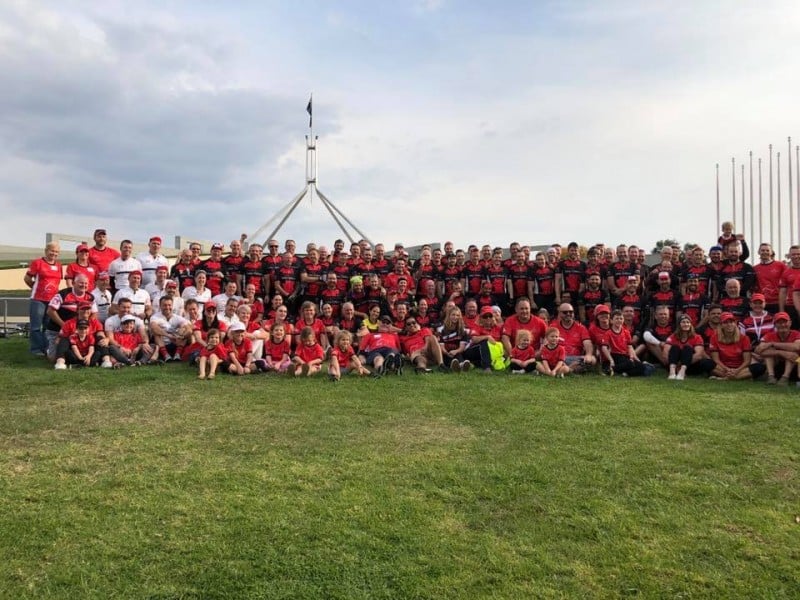
What a ride! A huge thanks to the wonderful, dedicated cyclists who embarked on the two-day ride from Sydney to Canberra to raise funds for Red Nose Australia and The Stillbirth Foundation.

The Sydney2CAMberra bike ride left Sydney on Friday 12 April, finishing in Canberra with a Finishers Function Saturday night.

The annual event is in memory of Cameron Belfield, who was tragically born still in September 2011.

Funds raised through the event help Red Nose Australia fund vital lifesaving research and provide free 24/7 bereavement support to anybody impacted by stillbirth.

Red Nose Chief Executive Officer Keren Ludski said the event was a fantastic community initiative that allowed bereaved families to honour their children.

“It’s events like the Sydney2CAMberra ride that truly shows you the power of community and togetherness in uniting people for a cause. Through the efforts of everyone who has been involved in this event, we can continue to fund research to stop this tragedy from happening to another family; and to provide support to those who need it. We are so incredibly grateful”

While the total fundraising amount is still to be confirmed, it is expected that the event will raise $300,000 for stillbirth research, bereavement support, and education.

Check out these fun photos from the event in the gallery to the right.

It’s not to late to donate. Visit the Sydney2CAMberra fundraising page for more info.

Sleep And Rest For Parents Once Baby Is Born

Although the birth of a child is a joyous event, many parents are surprised by how exhausted they feel during those first weeks and months. Newborns require constant attention. As a new parent, you may feel compelled to dedicate every available hour tending to your baby’s needs. But don’t forget that you have needs, too—especially when it comes to sleep.

Once baby is born, your sleep will be frequently interrupted. Red Nose Chief Midwife Jane Wiggill says the first step is to understand and accept that your sleep pattern will change.

“Babies do not have a circadian rhythm – that means they have no idea whether it’s day or night!” Jane explains.

“Circadian rhythm develops over the first three months of life and babies will start sleeping for longer periods of time and will develop more of a pattern to their sleep once their circadian rhythm is established,” says Jane. “Until then, find ways to share the care of baby with partners and loving family members or friends”.

You also need to take care of yourself and your partner during this challenging time of transition into parenthood and the changes to your sleep.

“I recommend making sleep a priority for you and your partner, and try to take frequent naps when the baby is napping during the day,” says Jane.

Jane also says it’s important to remember that all babies cry.

“Crying generally peaks at 6-8 weeks and then decreases,” says Jane. “Babies cry for many reasons, as they continue to adjust to life outside of the womb and this is their way of communicating.”

“Usual reasons why babies cry include: hunger/thirst, wet or dirty nappy, being over tired, the need for comfort, or being too hot or cold.”

“But, sometimes babies cry because they are crying! This can be distressing to parents and care givers. Sometimes, just being there with your baby as they cry is all you can do. It’s ok and you’re doing a great job!” Jane says.

Jane also has some tips for helping to establish your baby’s sleep pattern. “Feeding at night is an opportunity to teach your baby that night-time is for sleeping – the way to do that is by not socialising with baby during this time,” says Jane. “Limit talking and eye contact during these middle of the night feeds,” Jane adds.

“If you’re waking multiple times a night to feed your baby, as is very common in the first few months, remember to do so in a quiet, dimly lit environment, and avoid the temptation to check your phone or turn on the TV, this will help you go back to sleep more easily when finished,” Jane says.

Practicing Red Nose’s safe sleep recommendations can also help parents feel reassured that they are sleeping their baby in the safest possible way and reducing the risk of SIDS.

“Feel confident that you are providing your baby with best practice techniques to stay safe when sleeping because you love them so much,” Jane says.


Are you a new parent and feeling overwhelmed or anxious? Get in touch with PANDA – Perinatal Anxiety and Depression Australia – on 1300 726 306.

Have you experienced a loss such as a miscarriage, stillbirth, or SIDS? Contact Red Nose Grief and Loss on 1300 308 307 – we are here for you 24 hours a day, 7 seven days a week.

Spotlight On Treasured Babies Program

When a baby suddenly dies, there is often little warning. Red Nose’s Treasured Babies program aims to acknowledge and honour the lives of newborn babies who have died regardless of gestational age.

The Treasured Babies Program began in 2002, an initiative of bereaved parents who recognised the need for families to be supported with appropriately sized clothing, Angel (burial) boxes, memory keepsake boxes and naming certificates.

Who runs the Treasured Babies program?

The Treasured Babies program is run by a team of dedicated volunteers and community organisations.

Cindy Furby was the lead volunteer for Treasured Babies for almost two decades. The program commenced in 2003. We are now honoured to have Tracy lead the wonderful group of volunteers.

This special group of volunteers work tirelessly to sew, knit, crochet and assemble thousands of precious handmade garments and handmade Angel boxes and keepsakes.

How do these items help bereaved parents?

The Treasured Babies Program helps families to not have the extra stress of searching for a garment to dress their baby in, from 14 weeks’ gestation to newborn.

It means parents can have some special time with their baby, such as dressing baby, nursing and holding baby, and having photos taken to create special memories that will be kept in their hearts forever.

These items help families grieving a loss, and at the same time giving them time to say goodbye.

How were they designed?

The outfits have been developed with input from midwives, social workers and bereaved parents, and designed in a way that allow the babies to be dressed with delicate care.

The Treasured Babies team of volunteers check each item carefully, before making up packs for families that include information on accessing free support services.

Where to the packs go?

The packs are then sent to hospitals, funeral homes, and direct to bereaved families who request them.

The compassion, love and attention to detail of the hardworking team of Treasured Babies’ volunteers make a huge difference to a family at the worst time of their lives.

When a baby dies there is often little warning, leaving parents in shock. Having access to the Treasured Babies items, which have been lovingly handmade, can reduce some of the stress at an incredibly traumatic time. These beautiful items acknowledge both the birth and death of these little babies, an acknowledgement that so many families are desperate to receive.

Being able to give newly bereaved parents the opportunity to choose what their baby wears can be empowering at a time when they have very little control over their situation.

With special thanks to the following community groups for their involvement and support of Treasured Babies: Croydon Rotary, Croydon Men’s Shed, Ringwood Freemasons, Wedding Community Centre, Whittlesea City Corps Salvation Army Craft Group, Pastoral Healthcare Network Geelong, Bundoora Community Centre

The Treasured Babies program is provided free-of-charge and relies on generous community donations.

If you are a hospital or funeral parlour that requires items for families, please email treasuredbabies@rednose.org.au or visit this page to fill in our form.

If you have been impacted by the sudden and unexpected death of a baby or child, please access our free 24/7 bereavement support services on 1300 308 307 or visit www.rednose.org.au/support

Cute Toy Whatever You Do Dont Put It In Your Babys Cot

Why are soft toys in my baby’s cot a safety risk? Red Nose Chief Health Advisor Jane Wiggill explains the do’s and don’ts of having soft toys in your bubs’ sleep environment.

We often get asked why we don’t recommend keeping toys in your baby’s cot.

While they may look cute, toys pose a serious suffocation risk, Red Nose Chief Health Advisor and Registered Midwife Jane Wiggill explains.

“The risk posed by suffocation by the presence of toys in the cot, especially soft toys, far outweighs any benefit to the baby from a soft toy,” Jane says.

“Soft toys can cover your baby’s nose and mouth, interfering with breathing.”

However, you can introduce a soft toy into your baby’s sleep environment once they are between seven to ten months of age. “This is called a transitional object,” Jane explains.

A baby is more likely to begin interacting with objects between the ages of seven to ten months.

“A soft toy introduced into the sleep environment between seven and ten months can provide comfort and connection at times when your baby is separated from you, such as at sleep times.

“But always remove the toys once baby has settled for sleep.”

A soft toy before seven months is unnecessary, Jane explains, because babies under seven months of age are not engaged in exploring objects in their sleeping environment.

“They are also developmentally too young to take comfort from a soft toy, when separated from their care giver.”

However, Jane advises, it is never recommended to have soft bedding and bumpers in a cot environment, even once a transitional object has been introduced.

“Soft bedding such as lambs’ wool, doonas, and pillows can suffocate a baby, especially once they start to roll and move around.

“When your baby is old enough to move into a bed, you can introduce bedding and a pillow, but seek advice before doing so,” Jane advises.

March is Red Nose Safe Sleeping Month.

Make sure you follow our Facebook page as we bring you the latest, evidence-based safe sleeping advice.

Sleeping On Your Side Reduces Your Stillbirth Risk

Sleeping on your side during your third trimester helps prevent stillbirth, research has shown.

Research has shown that going to sleep on your side from 28 weeks of pregnancy halves your risk of stillbirth, compared to sleeping on your back.

This is because lying on your back in the later stages of pregnancy puts pressure on major blood vessels, which can reduce blood flow to your womb, and restrict your baby’s oxygen supply, Red Nose Chief Midwife Jane Wiggill explains.

But, Jane says, don’t panic if you wake up and find yourself on your back.

“While we sleep we do move around a lot, and that’s OK,” Jane says.

“If you wake up in a position other than your side, you can just roll back on to your side.

“The important thing to do is to go to sleep on your side, and this includes daytime naps as well as night time sleeps.”

Jane says more research is needed to find out the exact causes of stillbirth, but there are things all pregnant women can do to reduce their risks, such as sleeping on their side.

“It’s very important to look after yourself and your baby while you are pregnant, eating a healthy balanced diet and monitoring your baby’s movements will help to keep you fit and well and your baby safe,“ Jane advises

“Make sure you attend regular antenatal appointments, and speak to your GP if you have any concerns.

Click here to read more about monitoring your baby’s movements while pregnant.

Read about our current stillbirth research here.

Call our Grief and Loss 24/7 Support Line 1300 308 307

Call our Safe Sleep Line 1300 998 698

Keep up to date with our work

Name
Select the Newsletter you wish to Sign up to(Required)