


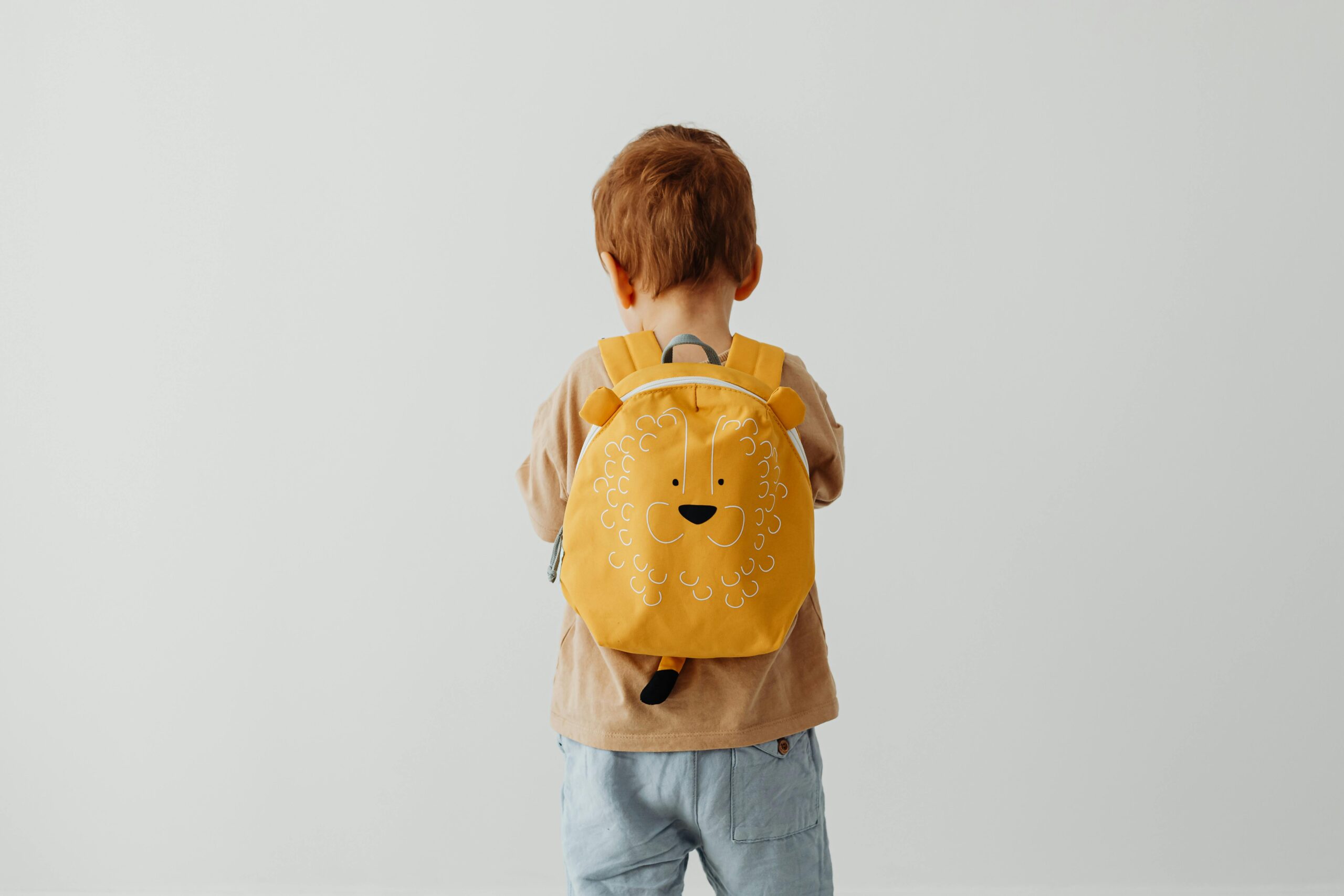
Starting school is a significant milestone for every child and family. There are many firsts: the first pair of school shoes, the first uniform, first readers, and new friendships.
For a bereaved sibling starting school, and for their family, this exciting transition can also be tinged with anxiety, uncertainty and grief. When a child has experienced the death of a baby or child sibling, starting school can raise complex emotional and social challenges for both families and educators.
What’s on this page
Bereaved Sibling Starting School: Why It Can Feel Different
Children who have experienced loss may carry their grief in ways that are not immediately visible. They may talk openly about their sibling, include them in drawings or family stories, or show increased sensitivity during certain times of the year.
Being aware of a child’s lived experience before they start school can help teachers respond with empathy and authenticity, and support the child in sharing their story in ways that feel safe and affirming.
Talking to Teachers About a Child’s Bereavement

Deciding What to Share and When
Deciding whether to tell your child’s teacher about the death of their sibling can be distressing. It is a big and deeply personal decision.
Some families ask themselves: What will it mean for my child if I do tell the teacher? What might happen if I don’t?
There is no right or wrong answer, and families can make this decision together. Talking with your child about what they would like their teacher to know, and how they would like to tell them, can help build confidence and a sense of control.
Supporting children to share their story on their own terms is vital to their identity and emotional wellbeing.
Helping a Bereaved Sibling Share Their Story at School

When children feel supported to talk about their sibling in ways that reflect their family’s language and values, it can reduce feelings of isolation and confusion.
Teachers who understand a child’s background are better placed to respond sensitively during classroom discussions, family-focused activities and moments of big emotion.
Tips for Preparing Teachers from Bereaved Parents

These insights come from families who have been there before. From lived experience, some helpful things to share with your child’s teacher include:
- Your child’s sibling’s name and where they sit within the family
- The language your family uses when talking about death, for example “she died” rather than “passed away”
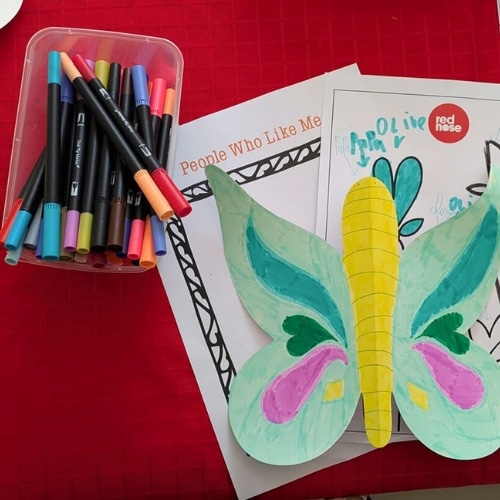
- Symbols that are meaningful to your family, such as butterflies, clouds or rainbows, which may appear in drawings or conversations
- Whether your family encourages open conversation about the sibling, and your hope for this to be supported at school
- Times your child may be more emotionally sensitive, such as around their sibling’s birthday or anniversary
When to Talk to Your Child’s Teacher
It can be helpful to have these conversations early, ideally in the first week of school, as many classrooms include family sharing activities early in the term.
It is also important to revisit this each year, as your child will have a new teacher who may not be aware of their story.
How Teachers Can Support Bereaved Students
Teachers play a vital role in helping bereaved children feel seen, safe and understood. Awareness of a child’s loss allows educators to respond with empathy, support peer understanding where appropriate, and avoid unintentionally distressing situations.
Red Nose also offers customised grief and loss training for schools, to help educators respond with confidence and compassion.
Bereavement Support for Families and Schools

How Red Nose Can Help
Red Nose is committed to supporting families navigating the complexities of pregnancy loss, stillbirth, and the death of a baby or child. We support anyone affected by loss, including educators and professionals who care for bereaved children.
Our specialised bereavement support includes counselling, peer support programs, support groups, and resources tailored to individual needs. We also offer bereavement courses and customised training for schools, workplaces and hospitals to help professionals respond with confidence and compassion.
You can call our 24/7 Grief & Loss Support Line on 1300 308 307 to speak with a trained peer supporter, any time of day or night.
More Support for Bereaved Siblings
- Support for Bereaved Siblings and Children
- Kindergarten and School
- Ways to Help Your Other Children
- Supporting Children Through the Death of a Sibling
- Puggles – Bereaved Siblings Support
- How children feel and react when a sibling dies (Raising Children Network)
Bereaved Sibling Starting School: Common Questions
Should I tell my child’s teacher that their sibling died?
There is no right or wrong answer. It is a big and deeply personal decision, and one families can make together. Talking with your child about what they would like their teacher to know, and how they would like to tell them, can help build confidence and a sense of control.
What should I tell my child’s teacher about their sibling?
From lived experience, families have found it helpful to share:
• Your child’s sibling’s name and where they sit within the family
• The language your family uses when talking about death, for example “she died” rather than “passed away”
• Symbols that are meaningful to your family, such as butterflies, clouds or rainbows
• Whether your family encourages open conversation about the sibling, and your hope for this to be supported at school
• Times your child may be more emotionally sensitive, such as around their sibling’s birthday or anniversary
When should I talk to my child’s teacher?
It can help to have these conversations early, ideally in the first week of school, as many classrooms include family sharing activities early in the term. It is also important to revisit this each year, as your child will have a new teacher who may not be aware of their story.
How might a bereaved sibling show their grief at school?
Children who have experienced loss may carry their grief in ways that are not immediately visible. They may talk openly about their sibling, include them in drawings or family stories, or show increased sensitivity during certain times of the year.
How can teachers support a bereaved student?
Teachers play a vital role in helping bereaved children feel seen, safe and understood. When teachers are aware of a child’s loss, they are better placed to respond sensitively during classroom discussions, family-focused activities and moments of big emotion, support peer understanding where appropriate, and avoid unintentionally distressing situations.
Does Red Nose offer grief and loss training for schools?
Yes. Red Nose offers bereavement courses and customised training for schools, workplaces and hospitals to help professionals respond with confidence and compassion. Learn about our customised grief and loss training.
Who can I talk to for support?
You can call the Red Nose 24/7 Grief & Loss Support Line on 1300 308 307 to speak with a trained peer supporter, any time of day or night. Red Nose also offers counselling, peer support programs and support groups, and supports anyone affected by loss, including educators and professionals who care for bereaved children.