
Stillbirth is Australia’s hidden health crisis
Stillbirth happens to 1 in every 137 pregnancies in Australia. Not all stillbirths are preventable, but some are. When it comes to stillbirth prevention, there are three important things you can do.
What’s on this page
Stillbirth prevention: 3 ways to reduce the risk

Step 1: Sleep on your side after 28 weeks
Go to sleep on your side after 28 weeks of pregnancy.
Learn about side sleeping
Step 2: Know your baby’s movements
Be aware of your baby’s movements, and contact your maternity care professional immediately if movements change.
Learn about baby’s movements
Step 3: Quit smoking to help prevent stillbirth
If you smoke, stop. And avoid being around other people’s cigarette smoke.
Learn about quitting smoking



By keeping these three things in mind, and doing your best to stick to them, you can greatly reduce the risk to your baby.
Other stillbirth prevention resources
Safer Baby Bundle – created by the Centre for Research Excellence in Stillbirth for clinicians.
Read other families’ stillbirth stories
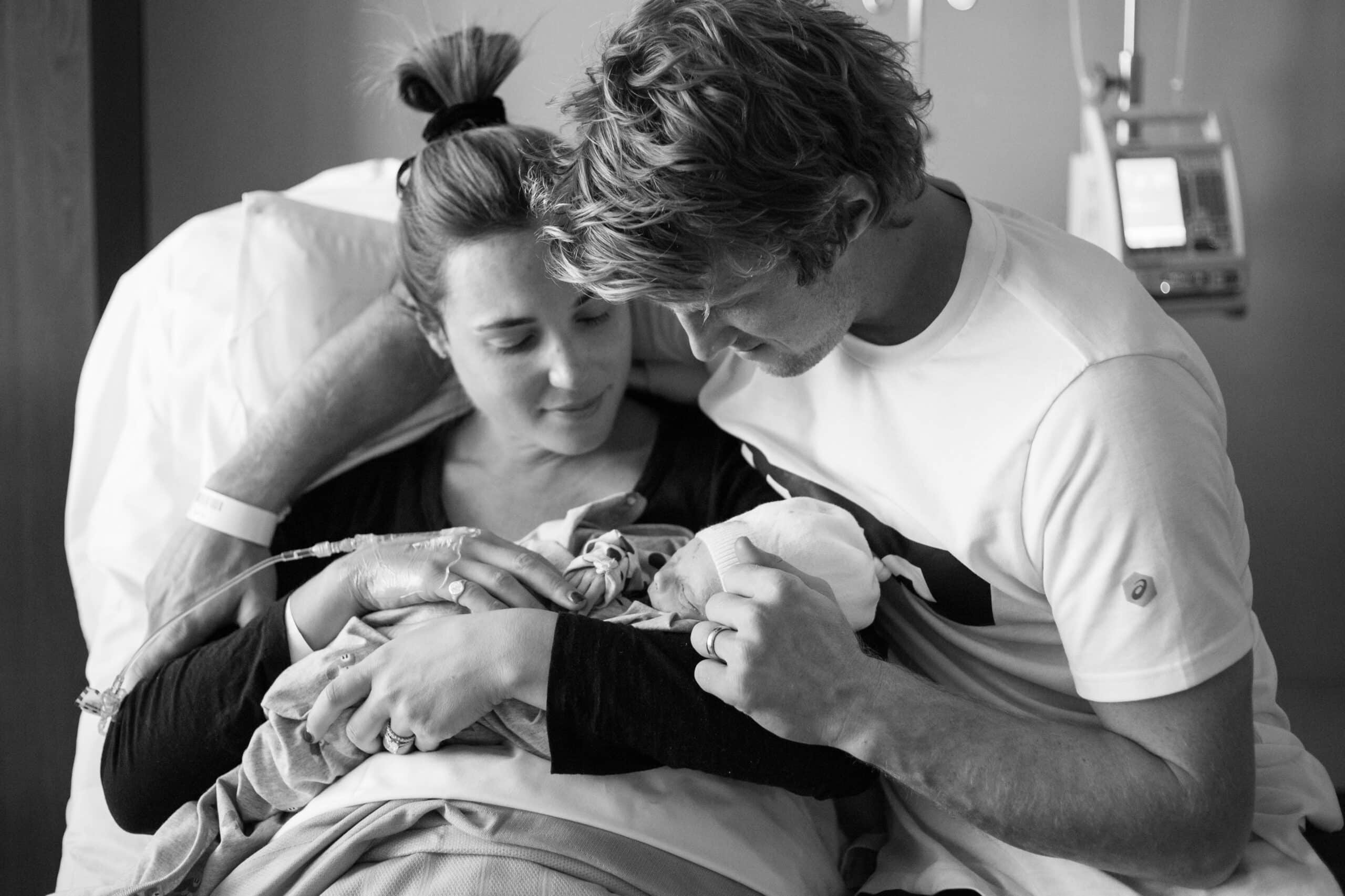
Every family’s experience of stillbirth is different. Reading how other parents and families have carried their grief can help you feel less alone.

RememberingAngelo
Bianca & Michael's story

RememberingCharlie
Stephanie's story

RememberingJin
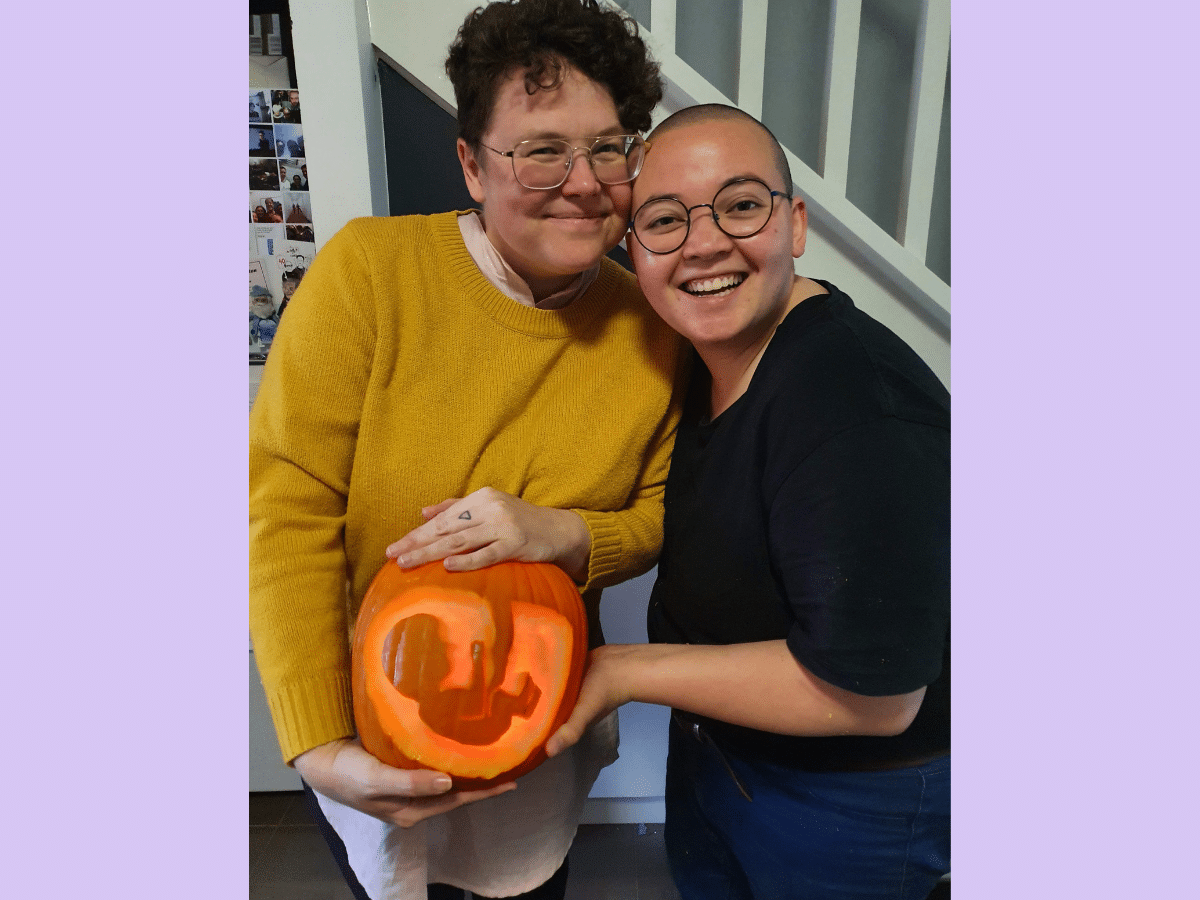
Yen & Gemma's story

RememberingHudson
Nicola & John's story

RememberingArchie
Evan & Bree's story
RememberingKayla Rose
Kellie's story

RememberingLeo
Rory's story

RememberingEden
Nerida's story
RememberingNina
Skye & Trent's story





Support if you have had a stillbirth
Red Nose is here to help. We support anyone affected by the loss of a pregnancy, stillbirth, or the death of a baby or child. These resources may help:
- Resources for parentsStillbirth resources and supportExplore the resources
- PDF guideWhen things don’t go to plan (PDF)Download PDF
- Stillbirth brochureUnderstanding what happened to your babyView and download
- ResearchPlacental ageing study into stillbirth helps to affirm that mothers are not to blameRead about the research
Stillbirth prevention FAQs
Can stillbirth be prevented?
Not all stillbirths are preventable, but some are. More than half of the stillbirths that happen each year in Australia have no known cause. Going to sleep on your side after 28 weeks, being aware of your baby’s movements and not smoking can help reduce the risk. Your doctor or midwife can also suggest ways to stay healthy during pregnancy.
Why should I sleep on my side after 28 weeks of pregnancy?
After 28 weeks, going to sleep on your back compresses major blood vessels and reduces the supply of blood to your womb, and oxygen to your baby. Learn more about sleeping on your side.
Does it matter which side I sleep on?
No. Left or right, it doesn’t matter, so choose whichever you find more comfortable. Going to sleep on your side applies equally to naps during the day and sleeping at night.
What if I wake up on my back?
It’s normal to change position during sleep, and many pregnant women wake up on their back. Don’t worry if this happens to you. Just start on your side when you go back to sleep again.
What counts as a change in my baby’s movements?
Any change to what is usual for your baby, and this can be an increase or a decrease in movement. There is no ‘normal’ when it comes to movements. For some mums, they feel like a kick, and for others more like a glide or a roll. Over half of all women who had a stillbirth noticed their baby’s movements had slowed down or stopped. Learn more about your baby’s movements.
What should I do if my baby’s movements change?
Contact your maternity care professional immediately if you notice any change to your baby’s movements.
Do second-hand smoke and vaping increase the risk of stillbirth?
Yes. Smoking during pregnancy is one of the major risks for stillbirth, and second-hand smoke carries the same risk. E-cigarettes and vaping also carry the same risk. Learn more about quitting smoking to help prevent stillbirth.
Is it too late to quit smoking during pregnancy?
No. Quitting at any time during your pregnancy reduces the harm to your baby, but the sooner you quit, the better. Try not to feel guilt or shame. If you need help to stop, reach out to your doctor, midwife or another healthcare professional.
Where can I get support after a stillbirth?
Red Nose supports anyone affected by the loss of a pregnancy, stillbirth, or the death of a baby or child. Call our 24/7 Grief and Loss Support Line on 1300 308 307, or visit our stillbirth resources and support page.

We’re here anytime you need us.
Call our 24/7 Grief & Loss Support Line on 1300 308 307 to speak with a trained peer supporter who understands what you’re going through. Whether it’s day or night, we’re just a call away.
Compassionate support from people with lived experience. Available 24 hours, 7 days a week.
Call 1300 308 307 Explore our Grief & Loss Support hubDid you find this helpful?
Good job! Please give your positive feedback
How could we improve this post? Please Help us.