

Many things are nice for babies to have but are not needed. What do you really need?
Setting up for a new baby can feel like an endless shopping list. It doesn’t need to be. The most important thing is a safe sleep space, and that comes down to a handful of essentials done well. Below are the seven things you really need, and why each one matters for keeping baby safe.
A safe cot
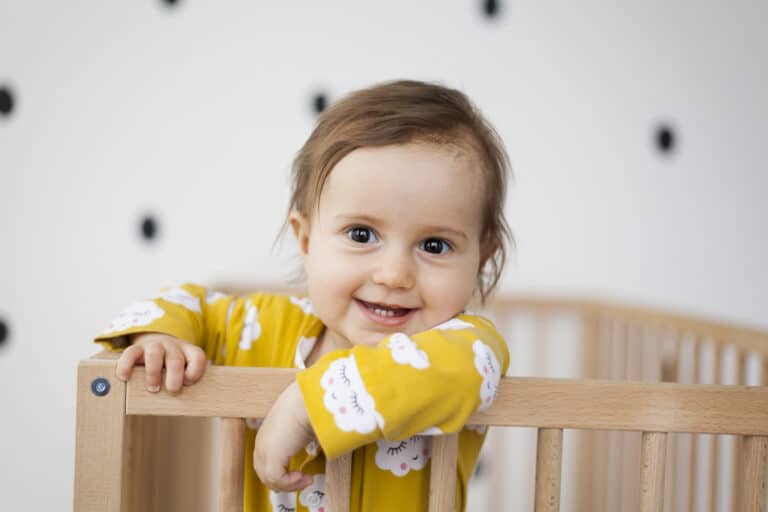
Choose a cot that meets the Australian standard to give baby their own safe sleep space. All new and second-hand cots sold in Australia must meet this standard and carry a label to say so. The safest place for the cot is in the same room as the parent or caregiver for at least the first six months.
For more information, visit the Australian Government’s Product Safety website regarding mandatory standards for infant sleep products.
Read more: What is a Safe Cot?
A firm, flat mattress
Make sure the mattress meets the voluntary Australian standard, is firm and flat, and is the right size for your cot. A firm, flat surface helps keep baby’s airway clear.
For more information, visit the Australian Government’s Product Safety website regarding standards for infant sleep products.
Read more: What is a Safe Mattress?
Lightweight bedding
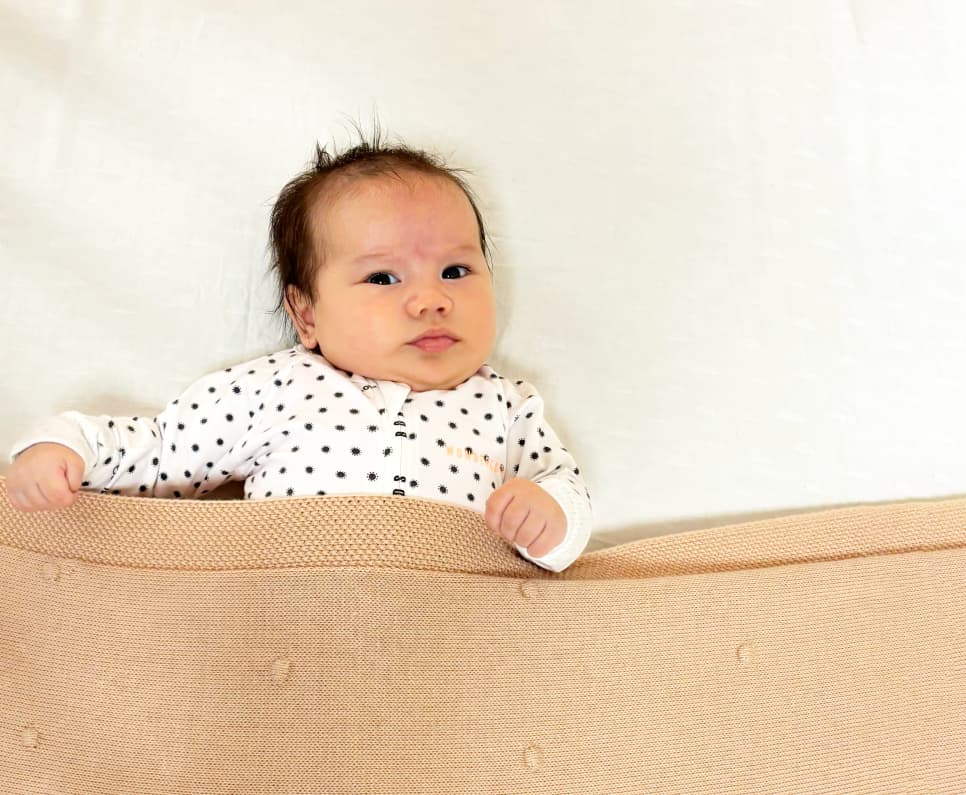
Choose lightweight bedding, firmly tucked in and only pulled up to the chest. Don’t use anything like sheepskin under the sheet, as that will make the mattress surface softer, and avoid puffy doonas or quilts. Lightweight cotton or bamboo are a good choice if you are using blankets. Keep soft, bulky items such as pillows, cot bumpers and soft toys out of the sleep space, as they increase the risk of suffocation and overheating.
Read more: Bedding for Safe Sleeping
Nappies
Keep about a month’s worth of nappies: you’ll need 8 to 10 disposable and up to 15 cloth nappies a day for a newborn.
Clothes
Look for outfits with zippers that are easier to manage when you are tired! Outfits with buttons that could come loose or hoods that cover the baby’s head create sleep hazards and must be avoided.
Read more: How to Dress Baby for Sleep
A car seat
Place your baby in a correctly fitted infant restraint that meets the Australian standard for child restraints, for every trip in the car.
For more information, visit the Australian Government’s Product Safety website car seat guide.
It is also very important that you remove the baby from the capsule or infant seat after the trip to ensure safe sleep.
Read more: Using Your Car Seat Safely
Lightweight wraps or safe sleep bags made from natural fibres
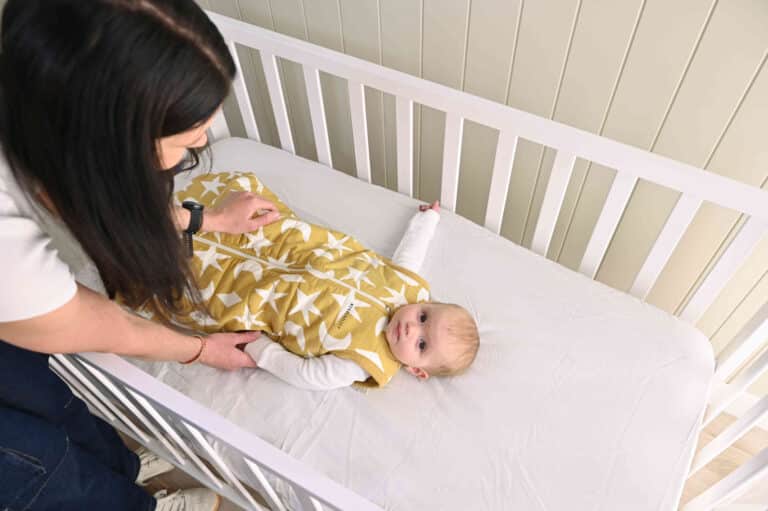
Use lightweight wraps such as muslin or cotton that allow airflow. Sleeping bags need to be the correct size with a fitted neck, armholes (or sleeves) and no hood to keep from covering baby’s face or head. A safe sleeping bag is well fitted across the neck and chest, with baby’s arms out.
Read more: How Do I Choose a Safe Sleep Bag?
Don’t focus on having all the stuff, just the stuff you do need.
Getting the safe sleep basics right
These essentials all work together to create a safe sleep environment. For the full picture, see the six safe sleep recommendations that guide everything we advise.
Read more: The Six Safe Sleep Recommendations
If you’d like advice on setting up for your baby, call the Red Nose Safe Sleep Advice Line on 1300 998 698, 9am to 5pm Monday to Friday (AEST).
Did you find this helpful?
Good job! Please give your positive feedback
How could we improve this post? Please Help us.