

We are often asked by parents and carers whether particular products are safe, including cots, prams, strollers, and mattresses.
Check out our tips below for peace of mind when it comes to using products safely.
Pram and stroller safety
A safe pram or stroller meets the safety standard. For more information on the Australian standard, visit the Australian Government’s Product Safety website regarding the Prams and strollers mandatory standard.
All new and second-hand prams and strollers sold in Australia must meet this safety guideline.
When using a pram or stroller, make sure you:
- Read the instructions carefully before use, especially if it is your first time using the product
- Always do up the restraints properly. A baby or child can become tangled in loose restraints that aren’t fastened correctly
- Make sure the footrest on the stroller is strong and secure. A weak footrest can give way and cause your child to become trapped
- Make sure the brakes are on when the pram or stroller is stopped
- Never leave a baby or child unattended or asleep in a pram or stroller
Find out more about pram and stroller safety here.
Cot safety
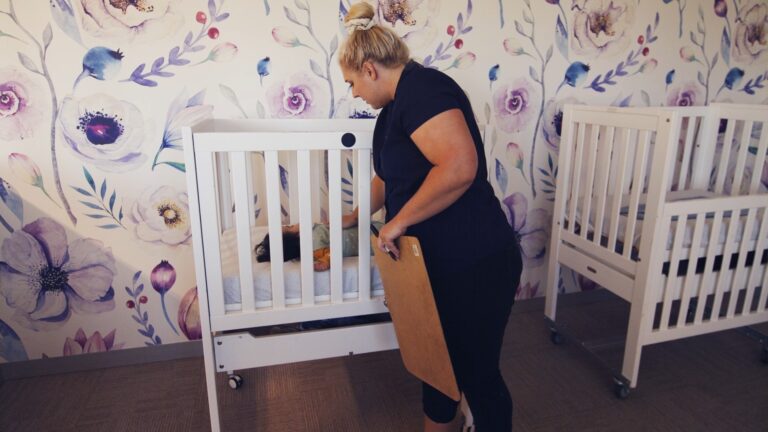
A safe cot meets the Australian Standard. For more information on the mandatory Australian Standard, visit the Australian Government’s Product Safety website regarding mandatory standards for infant sleep products.
All new and second-hand cots sold in Australia must meet this standard and will carry a label to say so.
When using a cot, make sure you:
- Only use a single, firm mattress that fits snugly (within 20mm of the sides and ends) into the cot
- Make sure the mattress is flat (not elevated or tilted)
- Do not have bumpers, soft bedding or toys in your cot
- Keep your cot away from blind cords and other hanging items
Find out more about cot safety here.
Portacot safety
A safe portable cot meets the Australian Standard. For more information on the mandatory Australian Standard, visit the Australian Government’s Product Safety website regarding mandatory standards for infant sleep products.
When using a portable cot make sure you:
- Always read the instructions carefully, especially if it is your first time using the portacot
- Only use the firm, thin, well-fitting mattress that is supplied with the portacot
- Never add a second mattress or additional padding over or under the mattress, as a baby can become trapped face down in gaps between the mattress or sides
- Check that there is no wear or tear to your portacot. Only use a portacot that has the mesh intact and no broken parts
- Ensure the base is flat
- Always check your portacot regularly for wear and tear
Find out more about portacot safety here.
Mattress safety
A safe mattress is the right size for the cot, is firm, clean, in good condition and is placed flat in the cot (not elevated or tilted).
When checking that your mattress is safe, make sure you:
- Ensure the mattress complies with the size and depth recommended by the manufacturer of the cot, as a baby or child can get trapped in the gaps of an ill-fitting mattress
- Make sure the mattress is firm and is compliant with the Australian standards. For more information on the mandatory Australian Standard, visit the Australian Government’s Product Safety website regarding mandatory standards for infant sleep products.
- Remove the plastic packaging from the mattress before use
- If using a waterproof mattress protector, make sure it is a tight fit
- Never put soft bedding under the bottom sheet, as it makes the mattress surface too soft
Find out more about mattress safety here.
Safe bedding
Red Nose recommends that your baby sleeps on their back, and that their head and face remain uncovered during sleep.
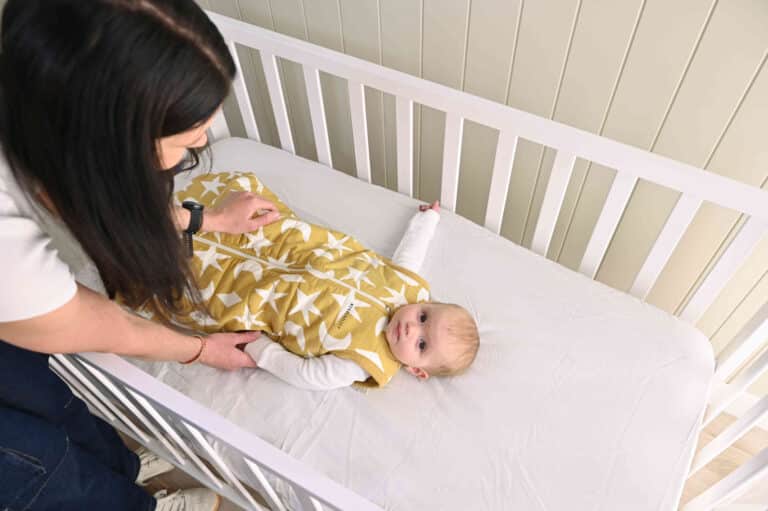
A good way to achieve this is to place your baby in a safe infant sleeping bag with fitted neck and armholes and no hood.
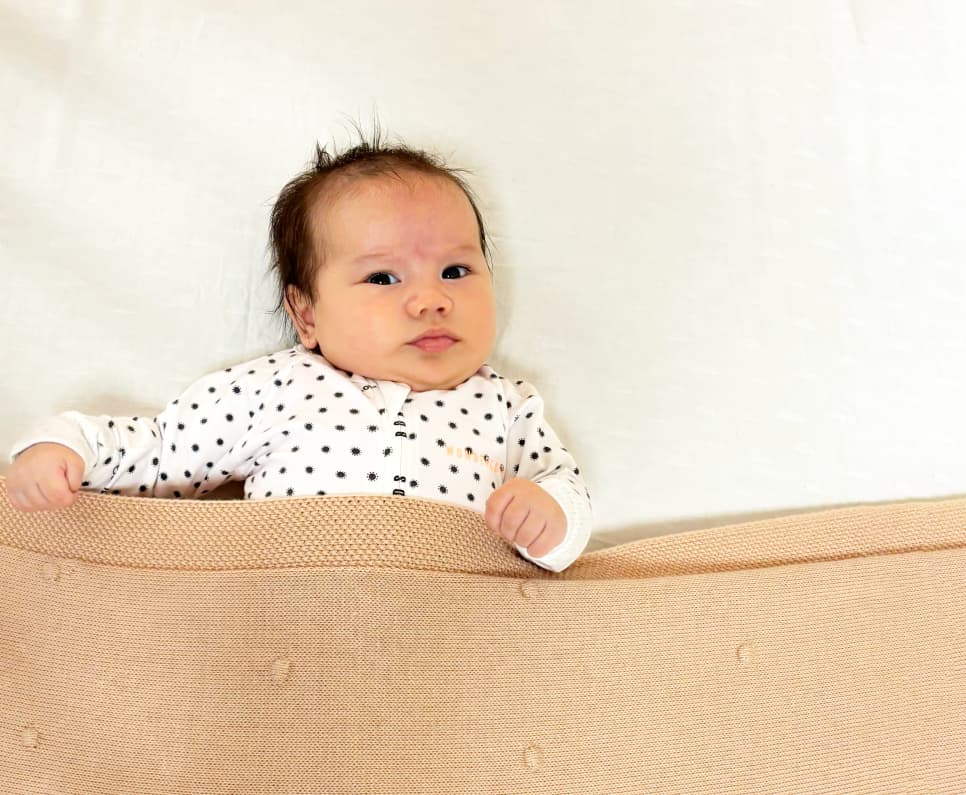
If a blanket is being used instead of a sleeping bag, ensure the baby is placed with his/her feet at the end of the cot, tucking the blanket in securely underneath the mattress, so it can only ride up as far as the baby’s chest and cannot cover his/her head. There is no need to use a blanket if your baby is in a sleep bag
Make sure there is no soft bedding in the baby’s sleep environment. Soft bedding (pillows, doonas, loose bedding or fabric, lambswool, bumpers or soft toys) in the cot is unnecessary and may cover the baby’s face and obstruct the baby’s breathing.
Baby Product Safety FAQs
How do I know if a baby product is safe?
Choose products that meet mandatory Australian Standards, buy from reputable sellers, and always read and follow the manufacturer’s instructions before use. New and second-hand cots sold in Australia must meet the standard and carry a label to say so.
What makes a cot safe?
A safe cot meets the mandatory Australian Standard. Use a single, firm mattress that fits snugly (within 20mm of the sides and ends), keep it flat rather than elevated or tilted, and keep bumpers, soft bedding and toys out of the cot. Position the cot away from blind cords and other hanging items.
Are portacots safe for my baby?
A safe portable cot meets the mandatory Australian Standard. Only use the firm, thin, well-fitting mattress supplied with the portacot, and never add a second mattress or extra padding, as a baby can become trapped in gaps. Check that the mesh is intact and there are no broken or worn parts, and make sure the base is flat.
What should I look for in a safe pram or stroller?
Choose a pram or stroller that meets the relevant Australian safety standard, which applies to both new and second-hand products sold in Australia. Always fasten the restraints properly, check that the footrest is strong and secure, keep the brakes on when stopped, and never leave a baby or child unattended or asleep in a pram or stroller.
How do I choose a safe cot mattress?
A safe mattress is the right size for the cot, firm, clean, in good condition, and placed flat. Make sure it complies with the size and depth recommended by the cot manufacturer so there are no gaps a baby could get trapped in. Remove all plastic packaging before use, keep any waterproof protector a tight fit, and never place soft bedding under the bottom sheet.
What bedding is safe for my baby?
Red Nose recommends babies sleep on their backs with their head and face uncovered. A safe infant sleeping bag with fitted neck and armholes and no hood is a good way to achieve this. If using a blanket instead, place your baby with their feet at the end of the cot and tuck the blanket in securely under the mattress so it can’t ride up over their head. Keep all soft bedding, pillows, doonas and soft toys out of the sleep environment.
Did you find this helpful?
Good job! Please give your positive feedback
How could we improve this post? Please Help us.