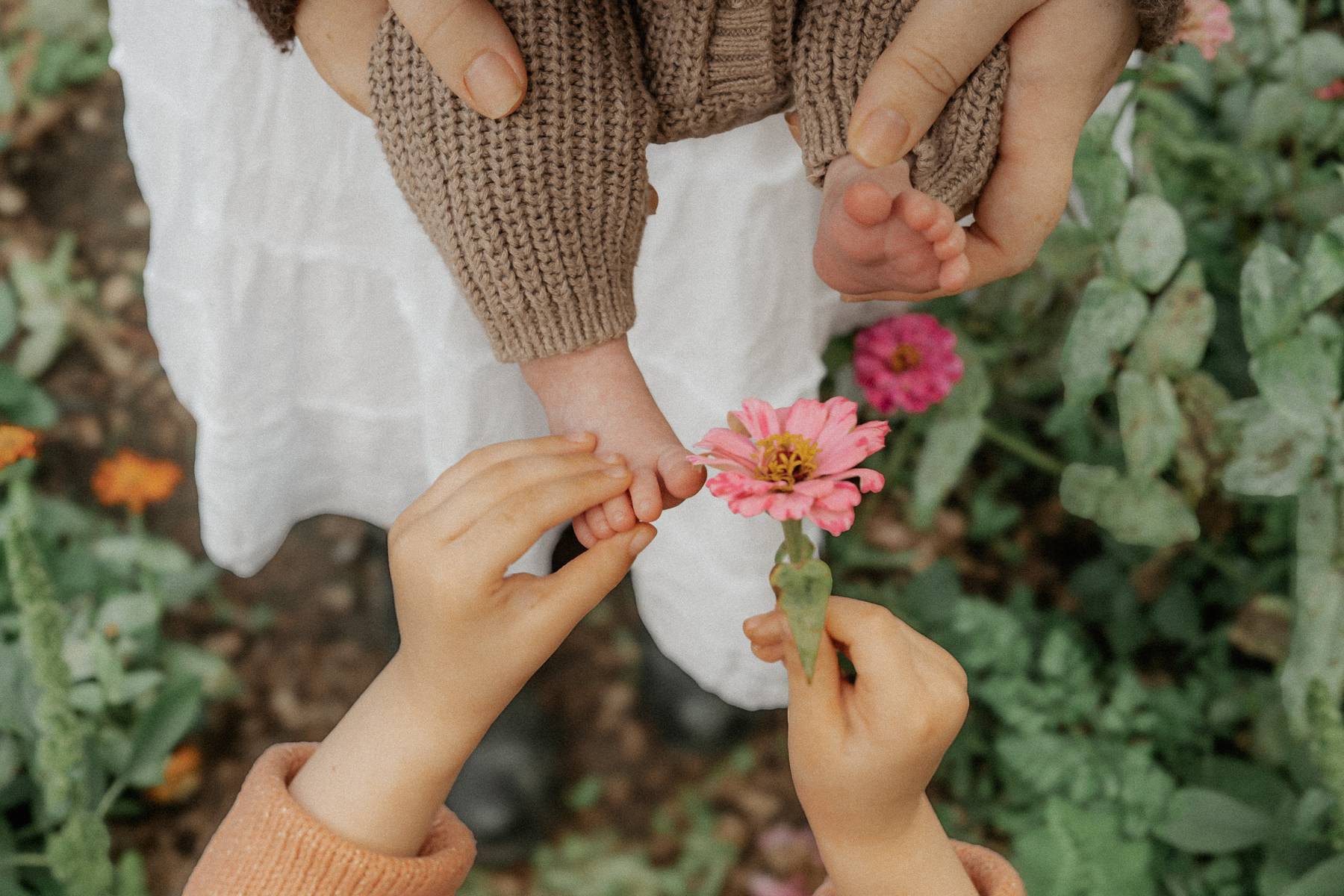
Our story of vanishing twin syndrome, uncertainty, support, and the enduring love we carry for our baby Sunny.
A pregnancy held between love and loss
When we learned we were expecting twins, our pregnancy began with two little lives and so much hope. Then came the news that one of our babies had died from vanishing twin syndrome. We lovingly called that baby Sunny.
Grief arrived alongside my continuing pregnancy. It was difficult to mourn one baby while trying to celebrate the other, especially when every appointment carried uncertainty. We worried we might lose our surviving baby too.
At times, stepping back from the pregnancy felt like the only way I could cope, but that distance brought guilt and fears about whether I would be able to connect with my baby.
Living with uncertainty after losing a twin
The months that followed were physically and emotionally demanding. Complications with our non-invasive prenatal testing (NIPT) results placed our surviving baby at high risk for trisomy 18, and we chose to wait until birth rather than have an amniocentesis.
At the same time, I was managing my own serious health concerns after a brain bleed. The pregnancy became a long period of waiting, worry and trying to protect a fragile sense of hope.
Preparing for our baby felt hard. Buying even the smallest things seemed too risky until late in the pregnancy, when our baby moved head down and hope began to feel a little safer.
Finding support in a difficult season
Support made space for feelings that were difficult to name. Through Red Nose Australia’s phone counselling, grief information and peer support, we found someone ready to listen without judgement. Even after I missed my first appointment, a counsellor gently helped me work through my thoughts and take the next step.
A joyful arrival, with Sunny always in our hearts
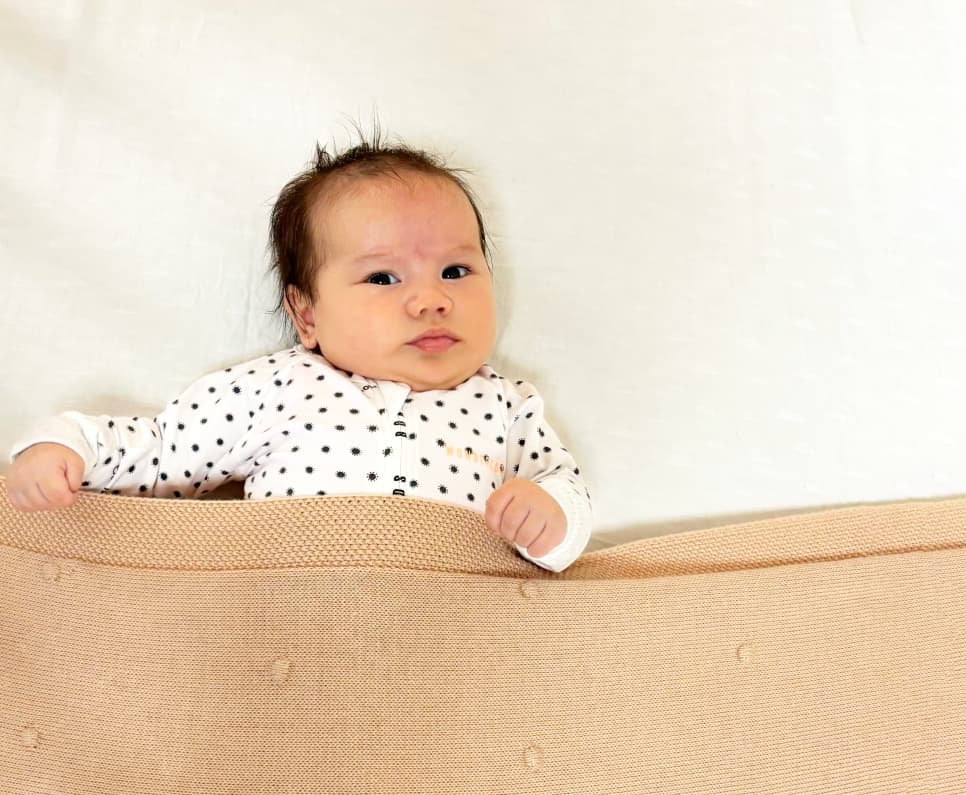
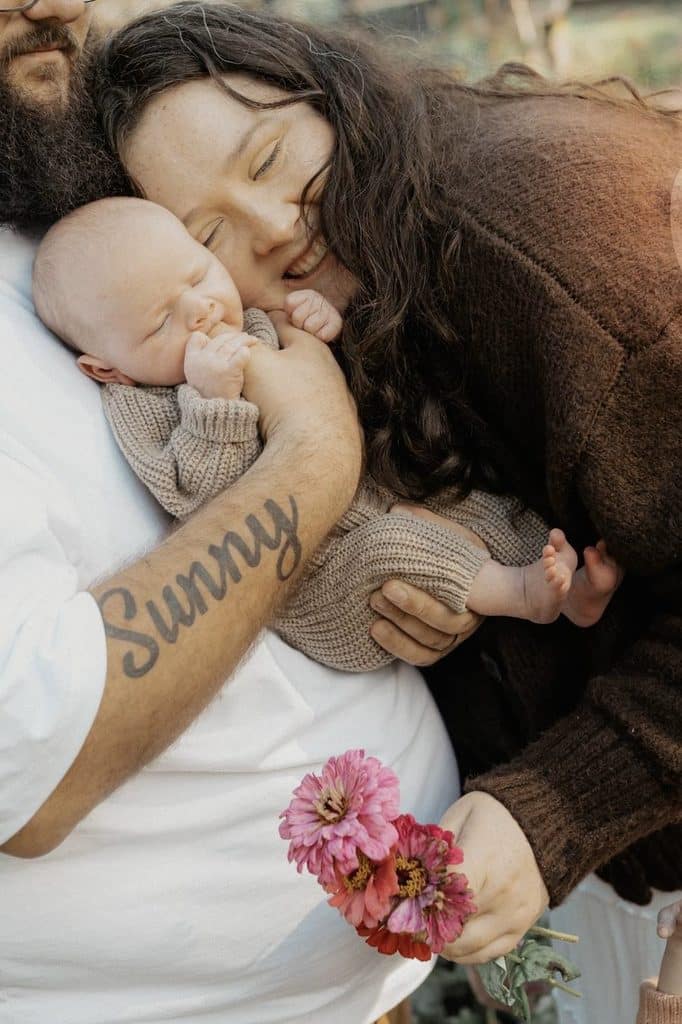
In time, we welcomed a beautiful, healthy baby boy. My baby and I came through the pregnancy safely, and today he is deeply loved.
Our happiness does not erase Sunny’s place in our family. By sharing our story, we hope other parents living through early pregnancy loss will feel less alone, and that more families will feel able to speak about vanishing twin syndrome without shame or stigma.
“There can be light ahead, even when it feels as though nothing, but bad luck has come your way. We share this story to help other families—and to honour the twin we lost, our Sunny.”
Understanding vanishing twin syndrome
What is vanishing twin syndrome?
Vanishing twin syndrome occurs when an early ultrasound confirms a twin pregnancy, but one twin stops developing and is gradually reabsorbed by the body or is no longer visible on subsequent scans. This experience can be emotionally difficult, particularly when the pregnancy continues with the surviving twin.
Some pregnant people experience bleeding or cramping, while others have no noticeable symptoms. Many pregnancies continue safely, although outcomes depend on factors such as when the loss occurs and the health of the surviving twin.
Why does vanishing twin syndrome happen?
In many cases, the exact cause of vanishing twin syndrome is unknown. However, research suggests that chromosomal abnormalities in the developing embryo may sometimes play a role. These abnormalities can prevent one twin from developing as expected, even when the other twin appears to be developing normally.
Could I have prevented vanishing twin syndrome?
If you have experienced vanishing twin syndrome, it is important to remember that you did nothing wrong. The loss is generally not caused by anything you did or did not do. Often, there are no warning signs, and the news may come as a complete shock during a routine ultrasound.
Is it normal to feel sad when you lose a twin but your other baby is fine?
Losing a twin can bring a mix of emotions, including sadness, confusion, and worry about the surviving baby. Whatever you are feeling, your experience and your loss deserve compassion and understanding.
Where can I find support after losing a twin?
Red Nose supports anyone affected by the loss of a pregnancy, stillbirth, or the death of a baby or child. You can call our 24/7 Grief and Loss Support Line on 1300 308 307 to speak with a trained peer supporter, any time of day or night, or visit our Grief & Loss Support hub.